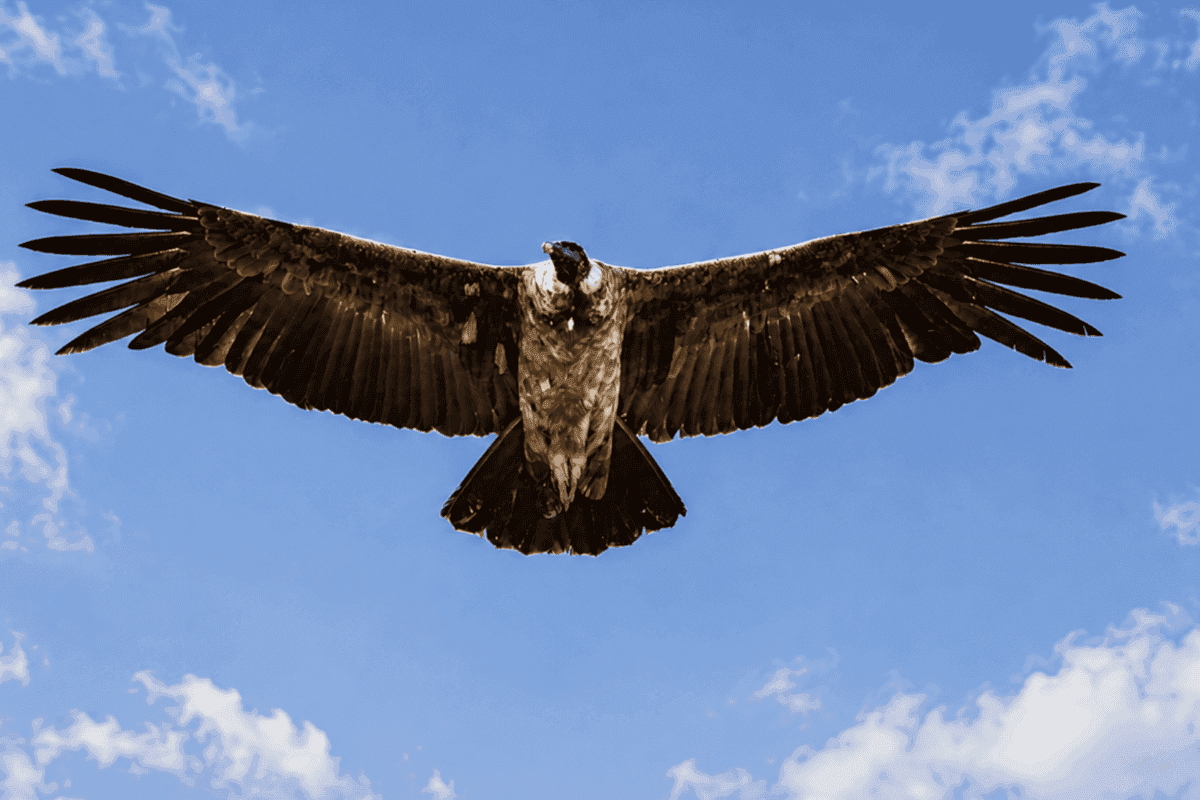
In Páramo El Almorzadero, a remote village high in the Colombian Andes, Andean condors once faced persecution from residents who blamed the birds for livestock losses. Doris Torres, a sheepherder, grew up viewing the species as an enemy, and villagers regularly killed the condors through poisoning and shooting, a practice that contributed to the species' decline.
As Torres learned more about the condor's ecological importance, her perspective shifted. She joined a grassroots conservation effort led by Fernando Castro of the Parque Jaime Duque Foundation, working with other villagers to transform their long-standing conflict with the species into a model of coexistence. Former adversaries of the condor have become its protectors, establishing what officials described as a rare safe haven for one of Colombia's most threatened birds of prey, and condors have resumed soaring over the páramo.
The effort is advancing to its next phase. Castro's team in Bogotá has been raising young condors in captivity using artificial incubation and condor-shaped hand puppets to rear chicks without habituating them to humans. The team said it hopes to release at least three juveniles into the wild by the end of 2027.