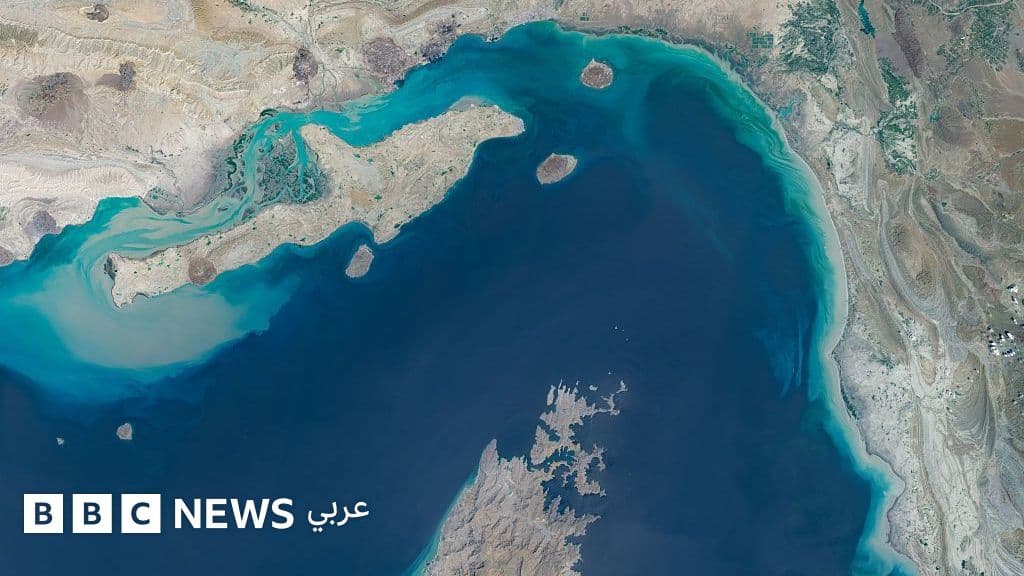
Mohsen Rezaei, secretary of Iran's highest National Security Council, said that a maritime traffic route map at the Strait of Hormuz that has been agreed with Oman will be signed within the coming days, according to Iran's state television.
Rezaei added on Sunday that Tehran will announce an "exclusion zone" outside the Strait of Hormuz within the coming days, which includes parts of the Persian Gulf. Rezaei provided no additional details about the nature or boundaries of the zone, but said that any vessel entering the area would be placed on a sanctions list.
Rezaei also said the Strait of Hormuz is "completely closed and under the control of Iran's Armed Forces," a claim that contradicts the position of the United States, which says that oil tanker traffic continues to flow through the strategic waterway. Tehran is demonstrating that the country remains capable of targeting American interests in neighbouring countries and disrupting the flow of oil through Hormuz, which before the conflict was occurring carried about one-fifth of global oil supplies.
The announcement comes as Iran faces mounting economic pressure. Iran's government spokesman, Fateme Mohajerani, in a statement reported by state media, said that the government has discussed raising petrol prices, which are among the lowest in the world, but has delayed the measure amid concerns about triggering new protests. Iran experienced large-scale protests in 2019 in response to a fuel price increase. Mohajerani said that the petrol price increase would only affect consumers whose consumption exceeds 110 litres per month, and added that the decision came because of "current conditions."
Commercial shipping traffic through the Strait of Hormuz has fallen to its lowest level since May, with an average of 10 vessels crossing the strait each day over the last ten days, according to data from shipping analysis firm Kpler. Data released on Monday showed that the ten-day moving average reached 10 vessels per day on Sunday, compared with more than 15 vessels on Friday and approximately 13 vessels on Saturday. This decline in maritime traffic has occurred following attacks by America and Iran targeting oil tankers in the Strait of Hormuz area, which has increased the risks faced by commercial vessels transiting through.