Documenting the oral traditions of the Tharu people in eastern Nepal has revealed historical information about migration patterns and geographic changes embedded in folk songs and indigenous language, according to researchers working with the community. The work involves spending time with Tharu communities to build trust before they share their folk tales, songs, phrases and idioms.
A folk song called "Morangsair," still sung in Nepal's southern plains, describes seasonal migration of young men from Saptari District to Morang District in search of work and more fertile land. The song, sung from the perspective of a woman pleading with her husband not to leave, references the dense forest, hot climate and Sursair River that migrants would have encountered. However, research suggested the song notably omits mention of the Koshi River, which currently lies on the migration route.
Further investigation indicated the Koshi River has shifted significantly over time, flowing many kilometres east of its historical position. In Indian territory, the river has moved almost 100 kilometres west. The historical Sursair River is also known as "Sursari" or "Sursuri" in the Guru Granth Sahib, a sacred Hindu text, and the river eventually flows into the Ganges.
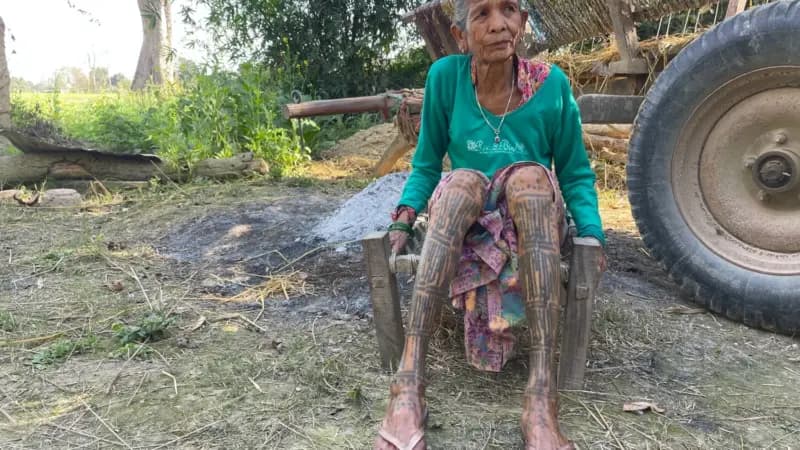
River and tributary names in the region also preserve Tharu linguistic heritage. A waterway now called "Behai" by Nepali-speaking administrators retains its original name "Biyahi" in Eastern Tharu language, meaning "first wife." Its tributary, "Samdahi," means "second wife" in the same language. Traditional practices documented through interviews include the historical production of sago pearls from sago palm trees, a method still used in southeastern countries, with the practice now represented in tattoos among Tharu women.