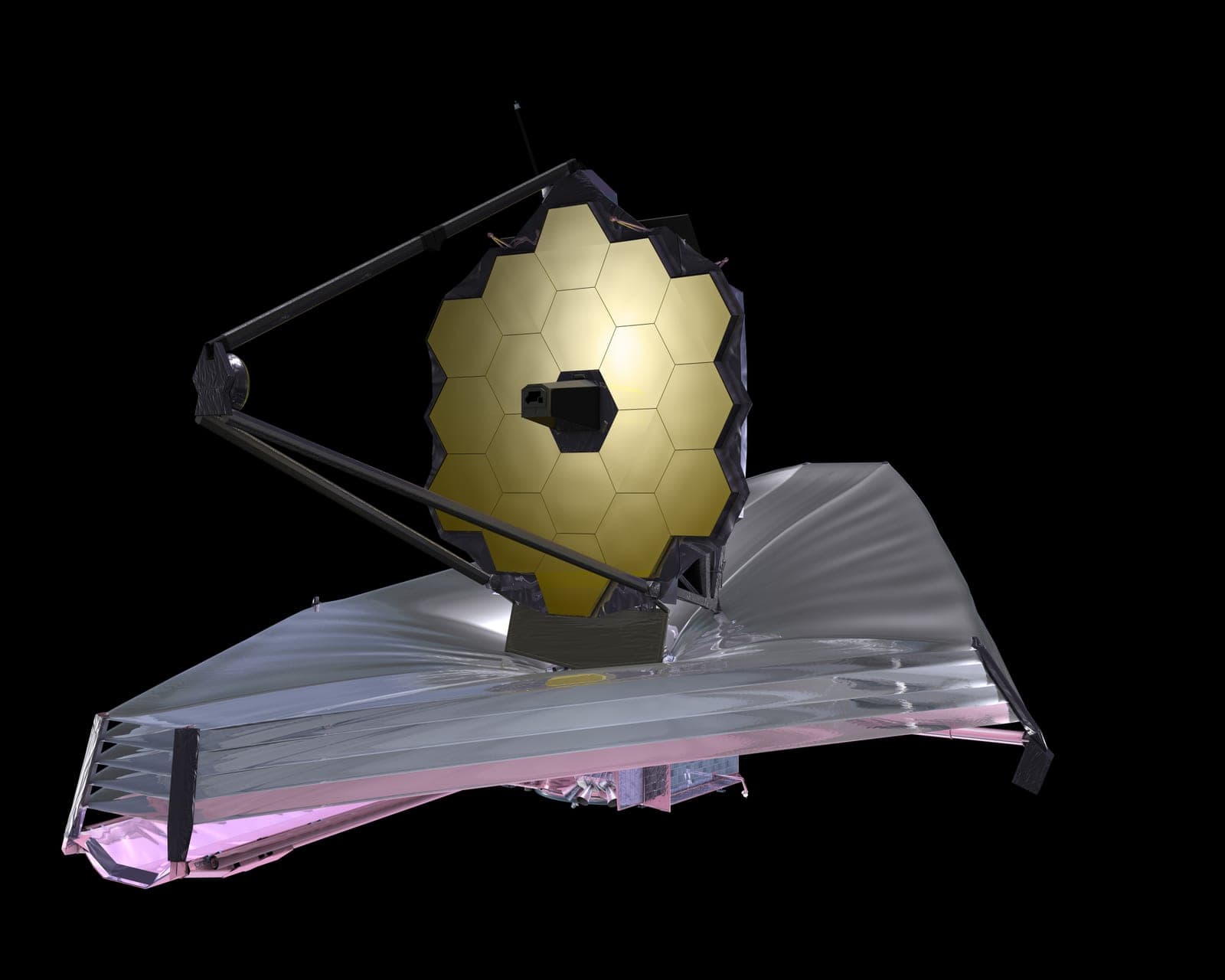
The NASA/ESA/CSA James Webb Space Telescope has captured detailed infrared images of NGC 2392, a planetary nebula known as the Lion Nebula. The telescope's high-resolution imaging revealed features that complement earlier observations made by the Hubble Space Telescope in 2000, which showed the nebula's lion-shaped structure in visible light.
Webb's infrared observations with its Near Infrared Camera and Mid-Infrared Instrument highlighted compact clumps of dust and ionised gas that were less apparent in Hubble's earlier images. The nebula's overall structure has taken several thousand years to form and continues to evolve, according to astronomers.
At the nebula's centre lies a white dwarf — the remains of a dying star — whose energy drives the intricate structures visible in the images. The ionised gas bubble that forms the lion's face expands over time, destroying dust in its path, while the "mane" consists of a dust shell illuminated by the central star's radiation. Compact clumps of dust within the mane have resisted the star's radiation and protect material behind them.
The complex rings and shells visible in planetary nebulae like NGC 2392 remain an ongoing area of study for astronomers. Webb's images freeze the nebula at a moment in time, though changes continue as gas and dust migrate away from the stellar core. Astronomers estimate the nebula will disperse in approximately 10,000 years, a relatively short period in astronomical terms.