Sirius Proteins, registered this month, will develop Vesicle Nucleating Peptide (VNp) technology created by Professor Dan Mulvhill and his team at Kent's School of Natural Sciences. The technology offers a simpler method for producing proteins that are otherwise difficult or expensive to manufacture.
Many medicines and diagnostic tests depend on recombinant proteins produced using genetically modified bacteria. However, some proteins present challenges because they are unstable, toxic to the bacteria producing them, or require specific folding patterns to function properly.
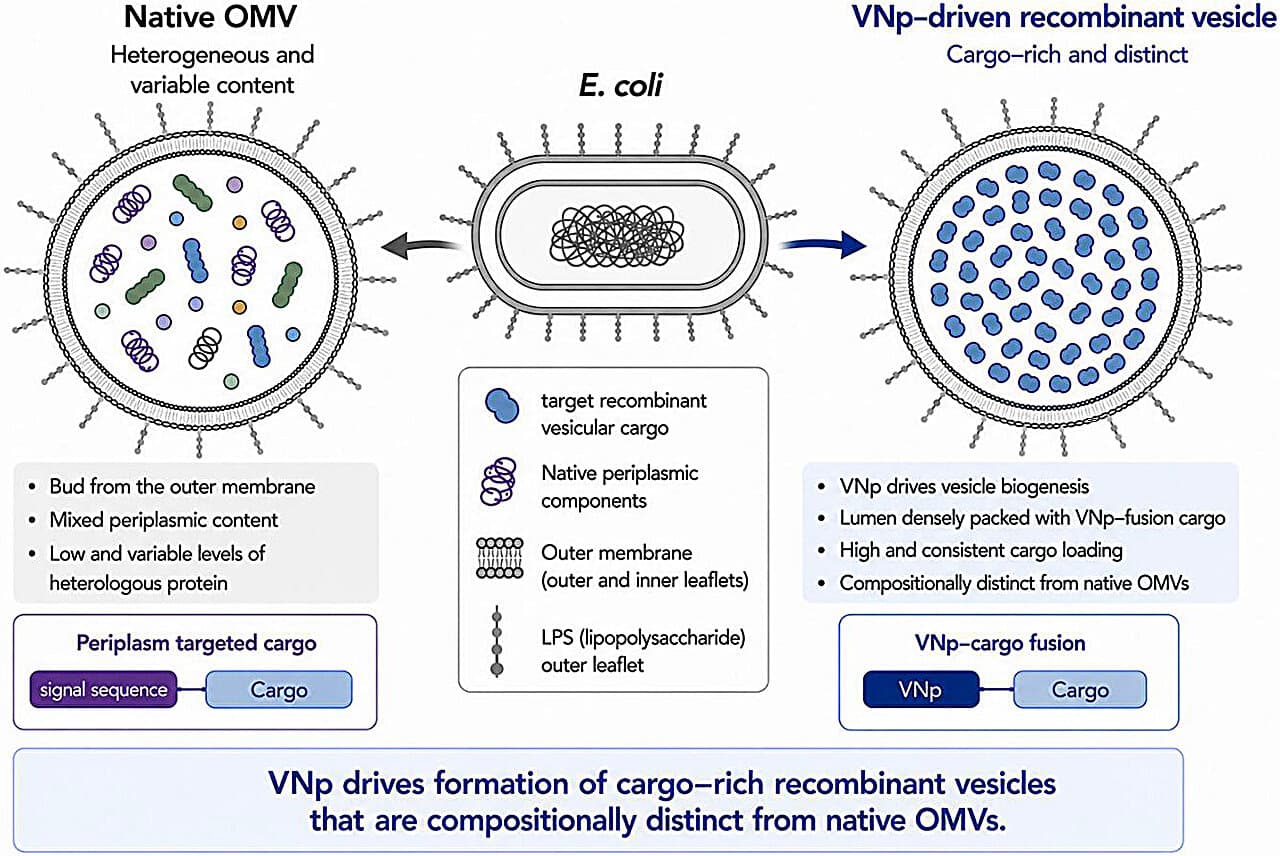
The VNp method works by directing bacterial cells to package proteins into small membrane-bound vesicles and expel them outside the cell. This process significantly increases production volume while making the proteins simpler to collect and purify, according to the researchers.
Recent research published in the Journal of Extracellular Vesicles, led by Dr. Bree Streather and involving scientists at the Lasers for Science Central Laser Facility operated by the Science and Technology Facilities Council, indicated that VNp could have broader applications than previously recognized. Using advanced imaging techniques at the OCTOPUS Lasers for Science Facility in Harwell, Oxfordshire, the team demonstrated that engineered vesicles could be controlled in ways that open possibilities for protein engineering, targeted drug delivery and therapeutic development, the report noted.
The technology could be particularly useful for producing proteins like insulin that are insoluble and clump together in cells, or proteins toxic to bacteria that would destroy the cell before isolation, researchers said. Officials involved with the project stated that simplifying and improving efficiency in the process could help accelerate drug production and contribute to making medicines more affordable.