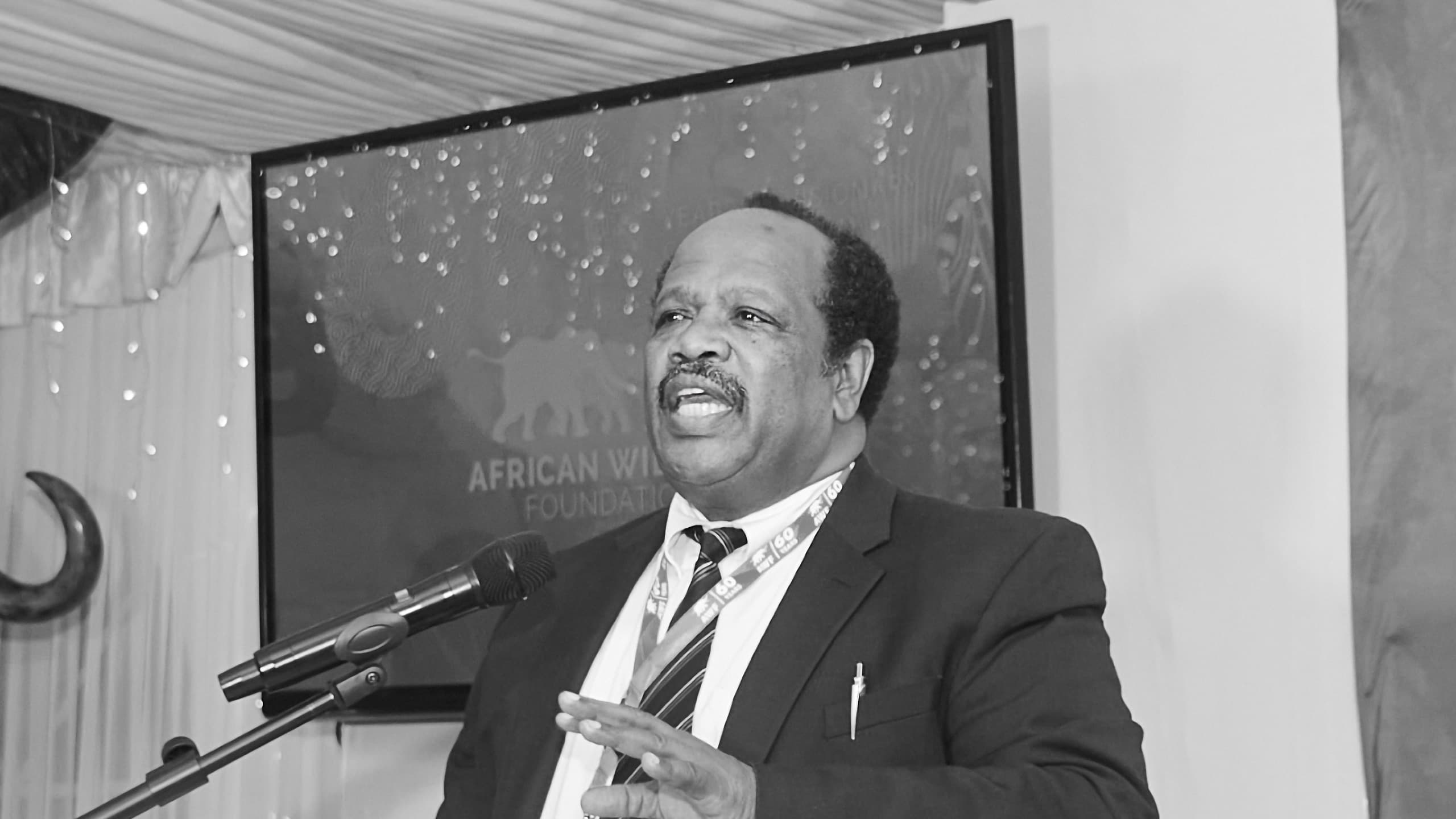
John Gospel Yonazi Salehe, a Tanzanian forester who pioneered community-based approaches to wildlife and forest conservation across East Africa, died on June 19th aged 71. Over his career, he worked for the government, the FAO, UNDP, WWF, and the African Wildlife Foundation, where he served as Tanzania country director.
Much of Salehe's work focused on maintaining wildlife corridors between Lake Manyara and Tarangire, where elephants, wildebeest, and other animals crossed land used by pastoralists and farmers. Persuading communities to support wildlife conservation meant addressing livestock losses to predators, negotiating revenue sharing arrangements, and building local institutions. He advocated for measures such as predator-proof livestock enclosures and compensation schemes to protect both wildlife and livelihoods.
Salehe argued that forest conservation in central Tanzania required viable alternatives to charcoal production and farming. He supported higher agricultural productivity, land-use planning, and secure land tenure as ways to reduce pressure on woodlands. His approach rested on partnerships among communities, government, businesses, NGOs, and donors, emphasizing that conservation would endure only if it made economic and institutional sense to the people living with it.
He helped establish and lead several organizations over his career, including the Tanzania Forest Conservation Group, which he chaired from 2012, the Tanzania Association of Foresters, the Community Wildlife Management Area Consortium, and Nature Tanzania. Colleagues recalled his integrity, humor, humility, and willingness to mentor younger conservationists. Nature Tanzania said Salehe believed conservation belonged to the people themselves.