A total solar eclipse will occur on August 12, 2026, when the Sun, Moon, and Earth align. The Moon's shadow will first cross the Arctic Circle from northern Russia before tracking along the eastern side of Greenland and reaching Iceland's western fringes at about 5:45 p.m. local time.
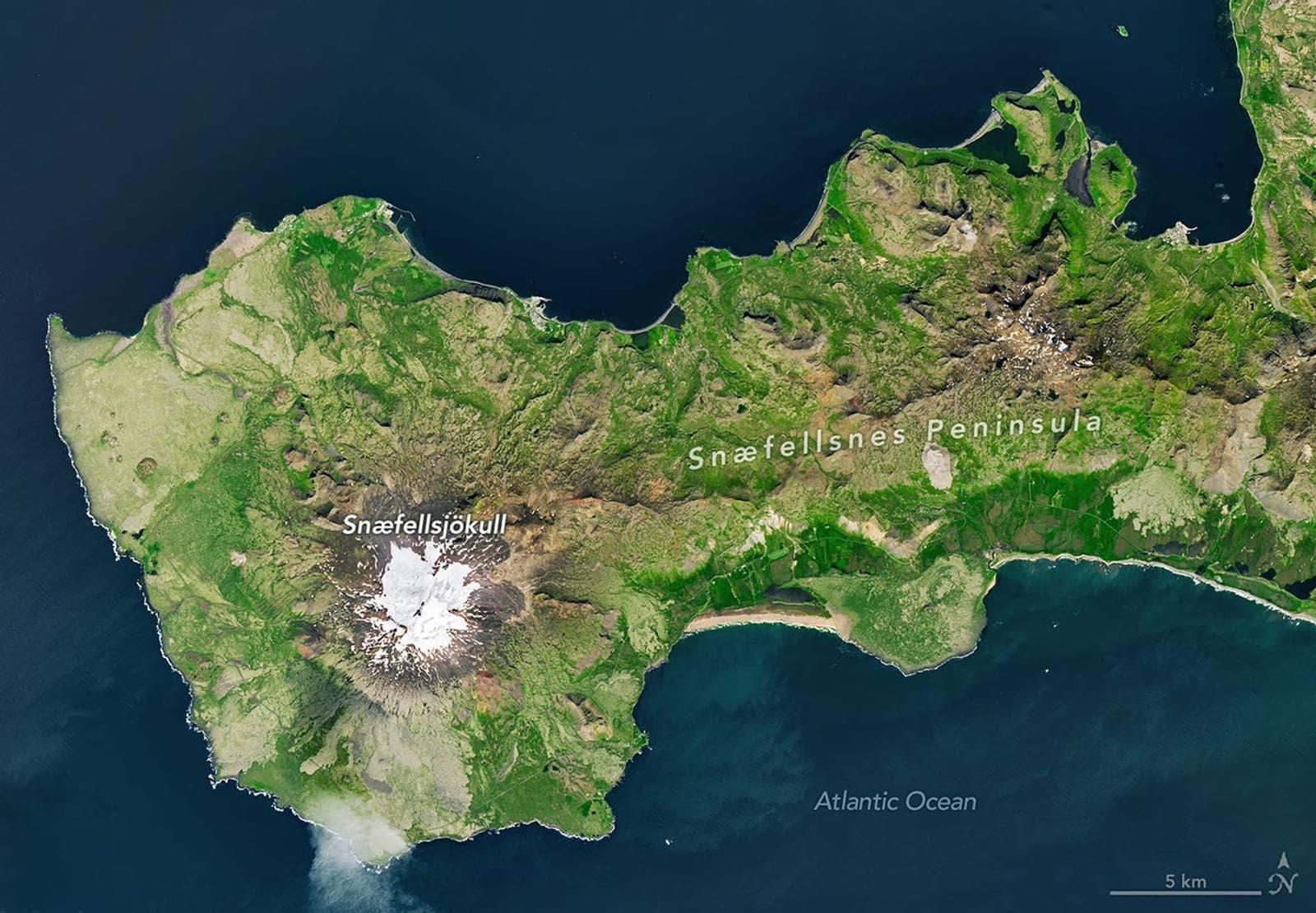
The Snæfellsnes peninsula in western Iceland will experience the greatest eclipse, when the Moon appears largest and covers more of the Sun. The Snæfellsjökull volcano at the peninsula's western end, covered in ice and last active about 1,800 years ago, anchors a national park where viewing is expected. The area was designated a UNESCO biosphere reserve in 2025 and contains over 70 percent of Iceland's flora along with volcanic landscapes, wetlands, and grasslands.
From Iceland, the eclipse shadow will cross the North Atlantic and reach northern Spain shortly before sunset, running east-southeast across the country along a path similar to the Ebro River. The river emerges from rugged terrain in Parque Natural de Montes Obarenes-San Zadornil in the Cantabrian Mountains before flowing through La Rioja's vineyards toward a delta on the Mediterranean coast.
Based on satellite measurements of cloud cover over several decades, viewers in Spain have a higher likelihood than those in Iceland of a clear view of the eclipse. The rest of Europe, parts of Africa, Canada, and the northern and northeastern United States will experience a partial eclipse.