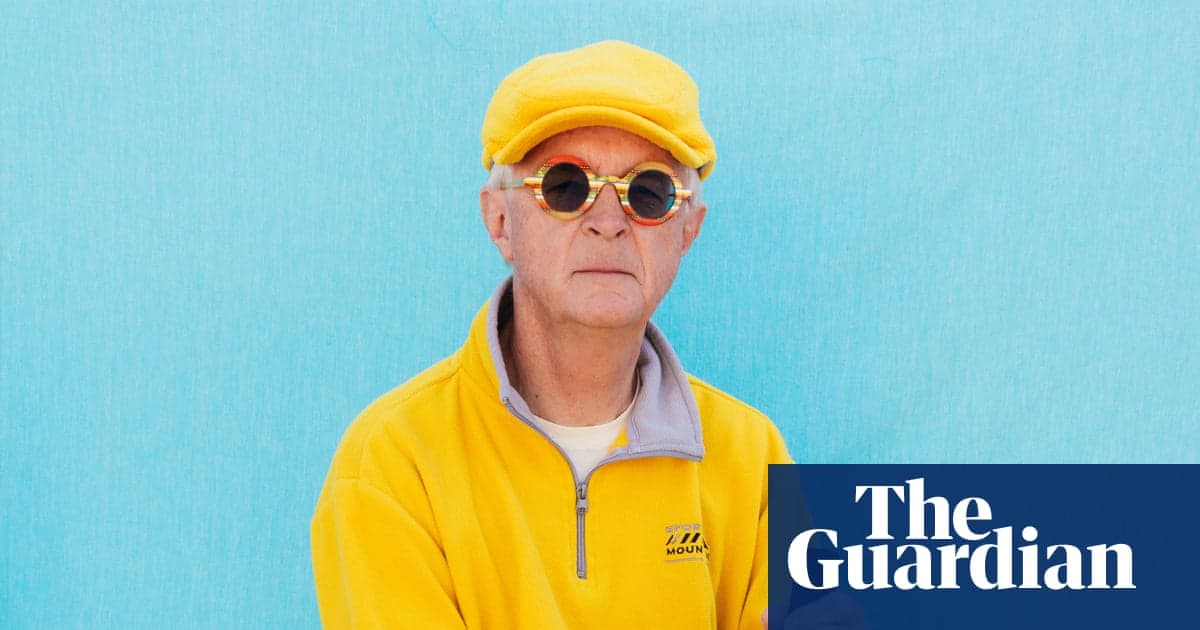
Andrew Geldart, a 65-year-old retired civil engineer in Cornwall, wears yellow almost every day. For three decades in his engineering career, Geldart wore conventional grey and navy, but after retiring at 55 and moving to Bude with his wife, he began incorporating yellow into his wardrobe. The colour now defines his public presence.
Geldart said the shift started ten years ago when he and his wife arrived in Bude with a camper van named Primrose, and friends gave him yellow accessories. He prefers sunflower yellow to mustard tones. Geldart said he adjusts his approach based on circumstances, noting he would not wear yellow to a Remembrance Day parade but would wear it to a friend's funeral. When he wears beige instead, he said he can blend into the background while working at his church and food bank, hearing what the community truly needs.
Geldart said the colour choice offers practical benefits: his grandchildren can spot him in crowds. More importantly, he said, his distinctive appearance prompts daily compliments — particularly about his jazzy yellow glasses — which opens conversations with isolated people. He acknowledged the unconventional choice sometimes conflicts with his engineer's instinct to avoid standing out, but he cited the late David Hockney's yellow glasses as reassurance that the look works.
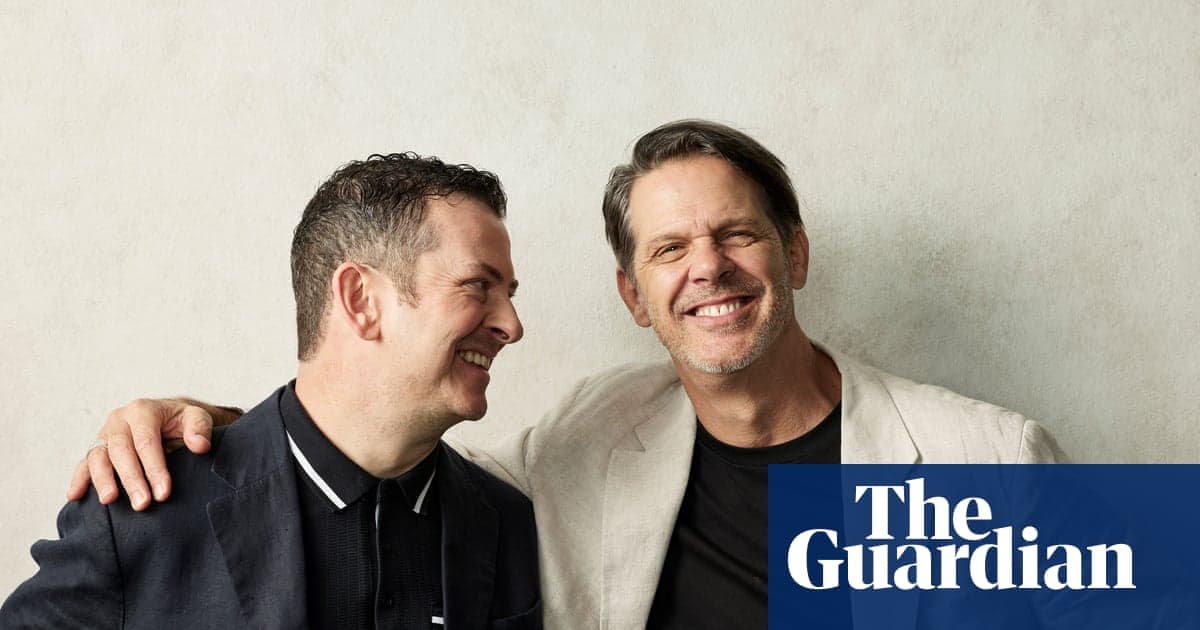
Anouchka Grose, a 56-year-old psychoanalyst in London, cultivates what she describes as "quiet surrealism" in her wardrobe to avoid appearing as an authority figure while remaining appropriately professional. She typically wears a genderless black jacket with a man's shirt or T-shirt, oversized trousers and secondhand Uggs. Her slogan T-shirts carry meaning: her favourite reads "Dress for the male gays," referencing psychoanalytic theory and the discipline's historical treatment of homosexuality.
Grose said subverting expectations about how a therapist should dress has been intentional. A patient once questioned whether she was allowed to wear her red and white checked trousers to work. At analytic conferences, colleagues ask what she wears in her practice, apparently unaware it differs little from conference attire. Grose noted that psychoanalysis suggests associations are fractured and unpredictable, making it impossible to control how others interpret any garment. She wears secondhand clothing from the 1920s through the mid-1960s, a period she said represented an ordered society before cultural transformation.