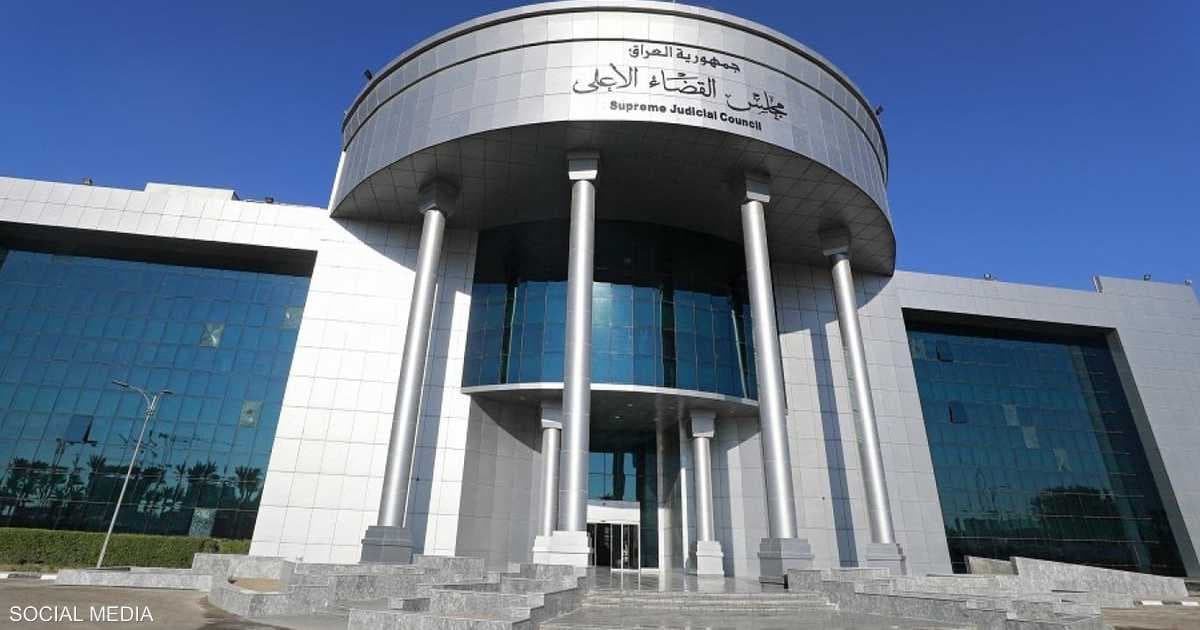
A man was arrested by Iraqi authorities after calling Najaf city officials and claiming to represent the office of the head of Iraq's Supreme Judicial Council, Judge Faiq Zaidan, and to be a member of the central anti-corruption committee under the prime minister's office. He then offered their "services": accepting cash payments to cancel procedures and remove alleged arrest warrants.
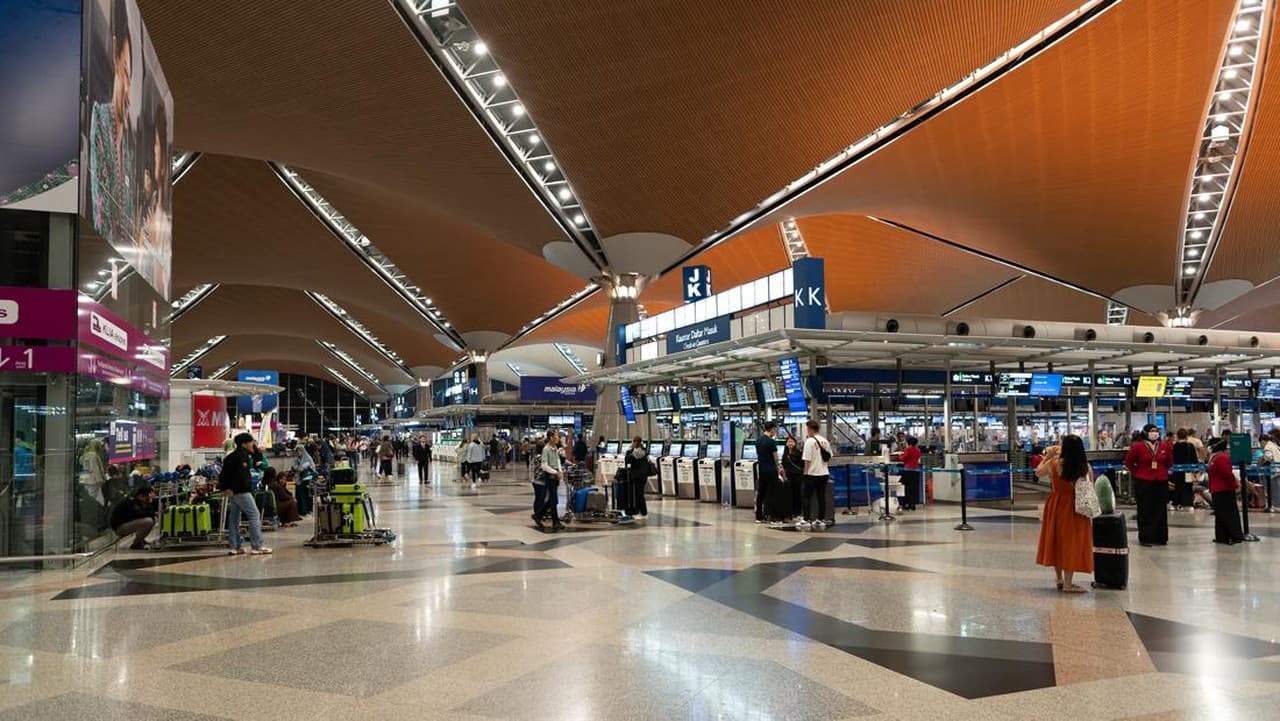
In this way, the man targeted a number of senior officials in Najaf province, including the director of land registration, the director of Najaf International Airport, and the director of electricity distribution. The investigative court gathered evidence and arrested him before he could continue his operations.
The Supreme Judicial Council stated that the suspect used false identities to threaten officials and convince them that he was capable of influencing arrest warrants and investigations. Published legal information does not indicate that any of the targets paid money, and the value of the amounts requested and the suspect's identity have not been disclosed.
According to a statement from Najaf's investigative court, the suspect contacted the director of the land registration office and informed him that he was attending a meeting with the head of the Supreme Judicial Council to sign a series of official documents. He then stated that the director's name appeared on a list of arrest warrants, claiming he was capable of cancelling the procedure and preventing its implementation in exchange for a cash payment.
To add credibility to his story, the suspect combined the name of Iraq's highest judicial authority office with the anti-corruption committee under the prime minister's office, implying that he had judicial and executive influence. The investigation revealed that he had previously used the same tactics with the director of Najaf International Airport and the director of electricity distribution in the province.
The statement does not explain how he obtained the telephone numbers and data of the officials, or whether he had information about administrative files that he used to construct his story. After gathering evidence and identifying his identity, authorities arrested him and recorded his statement legally, in preparation for referral to the competent court.
The trick relies on what is known in fraud operations as "fear engineering", where the caller places their victims facing immediate danger, then presents themselves as the only person capable of eliminating that threat. The telephone calls occurred at a time when Iraqi authorities were carrying out an anti-corruption campaign, which included the arrest of current and former officials and investigations into financial, property, and administrative files.
Najaf has also witnessed the arrest of officials in recent weeks and investigations into suspicions of manipulation and forgery related to property, land, and service institutions, which made talk of new lists of arrest warrants sound credible. The suspect targeted officials managing sensitive sectors related to property, airports, and electricity, institutions that handle contracts, public funds, and major administrative decisions.
However, the presence of someone's name in an investigation does not mean an arrest warrant has been issued against them, and court orders cannot be cancelled over the phone or through the intervention of staff members. Rather, they are subject to formal decisions and procedures. This is not the first incident of this kind; in January 2026, the Supreme Judicial Council warned about people impersonating officials in its presidential office, contacting political and executive officials to obtain personal gain.
In July, a judge assigned to investigate the case of former deputy oil minister Adnan al-Jumaily warned about people requesting money from businessmen after making them believe that their names had been mentioned in an investigation, in exchange for keeping them away from the case. Operations of this kind use real names and files, then add false information that is difficult to verify quickly. The pursuit of Najaf officials ended with the arrest of the suspect, but leaves open questions about how many people received similar calls and may have quietly paid money for fear of scandal.