Zambia's general election will center on economic recovery, governance reforms, and parliamentary redistricting. Incumbent President Hakainde Hichilema of the United Party for National Development seeks a second term against 14 opponents, with former ally Brian Mundubile emerging as his principal challenger after securing backing from a coalition of opposition parties.
Economic concerns dominate voter priorities. Official data shows over 70% of the population lives on less than three dollars a day, with household salaries ranging between $60 and $100 a month while grocery prices continue rising. Though Hichilema's government has secured a debt restructuring agreement with the International Monetary Fund and reduced inflation to 6.5% as of June, a severe drought has strained household finances and forced power cuts.
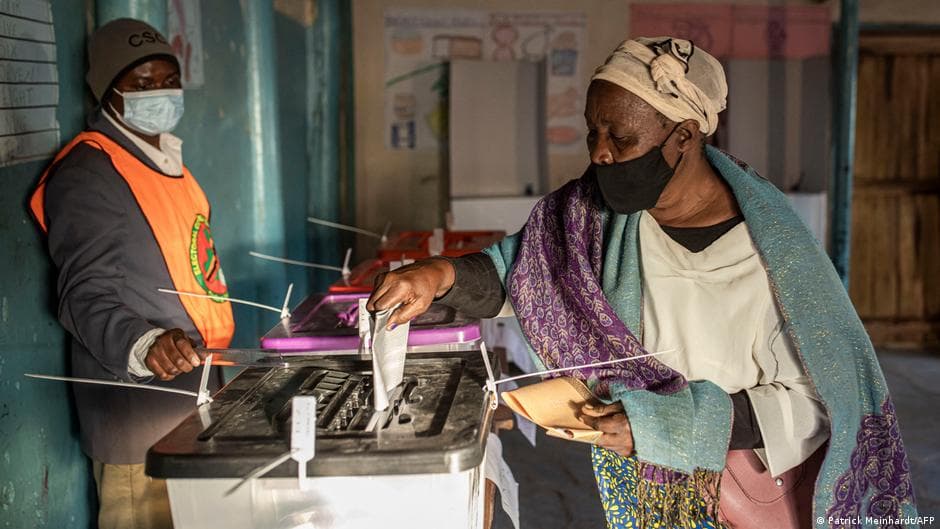
The Electoral Commission announced in April that 70 new constituencies would be added, raising parliamentary seats from 156 to 226 and creating smaller voting districts. Up to 8.7 million voters are expected to participate, a majority of them women. Analysts expect the race will be decided in urban centers like Lusaka and the Copperbelt, where cost-of-living pressures are most acute, while rural provinces traditionally maintain established party loyalties.
Young voters could prove decisive. Nearly half of registered voters are aged between 18 and 35, according to an Institute for Security Studies researcher. The high youth turnout that brought Hichilema to a landslide victory in 2021 is expected to be significant again, particularly in densely populated urban districts.
Gender representation remains limited. Women comprise roughly 51% of Zambia's population but hold only about 15% of parliamentary seats and fewer than 20% of political leadership positions. One female candidate is running for president, and four women are running mates. Civil-society advocates warn that these figures demonstrate Zambia remains far from meeting constitutional and international targets for gender representation.
Concerns about judicial independence have also emerged ahead of the vote. In 2024, President Hichilema suspended three Constitutional Court judges who ruled in favor of former President Edgar Lungu. Opposition lawyers have raised questions about an executive-approved salary increase for judges that bypassed constitutional procedures and the appointment of 16 new judges in early 2026, many from the incumbent's strongholds. Amnesty International says Zambian laws including the Public Order Act and cybercrime legislation have been weaponized to restrict dissent and freedom of expression.