Maritime traffic in the Strait of Hormuz has been drastically reduced since US-Israeli airstrikes on Iran in late February, with cargo ships periodically coming under fire from Iranian forces or facing threats that halt shipping entirely. Multiple rounds of talks, a joint memorandum between the US and Iran in June, and discussions about creating a maritime mission have yet to stabilize the situation. Iran and Oman are negotiating a shipping route through the strait that may offer a solution.
The blockade has driven fossil fuel prices higher globally, triggering inflation worldwide. African nations have suffered acute shortages despite their distance from the Gulf region, with long queues at fuel stations and supply disruptions affecting agricultural production. Some governments, including Ethiopia, have been forced to prioritize fuel distribution to security services and public transport.
African diplomacy on the crisis has remained notably subdued, with governments calling for negotiated solutions and backing UN resolutions condemning Iranian attacks while avoiding blame, particularly toward the US. The Democratic Republic of the Congo, Somalia and Liberia backed a March UN resolution strongly condemning Iranian strikes on Gulf states. However, African governments have refrained from openly holding the US president responsible for initiating the conflict, according to observers.
Liesl Louw-Vaudran from the International Crisis Group, an expert advisor to the African Union, said she had seen no evidence of optimism among African governments following the US-Iran memorandum. "Everyone is literally just waiting to see how this is going to pan out in the next couple of months," she said. The African Union has been hesitant on political statements since 2022, when its previous chairperson faced criticism from member states after speaking on foreign affairs without mandate.
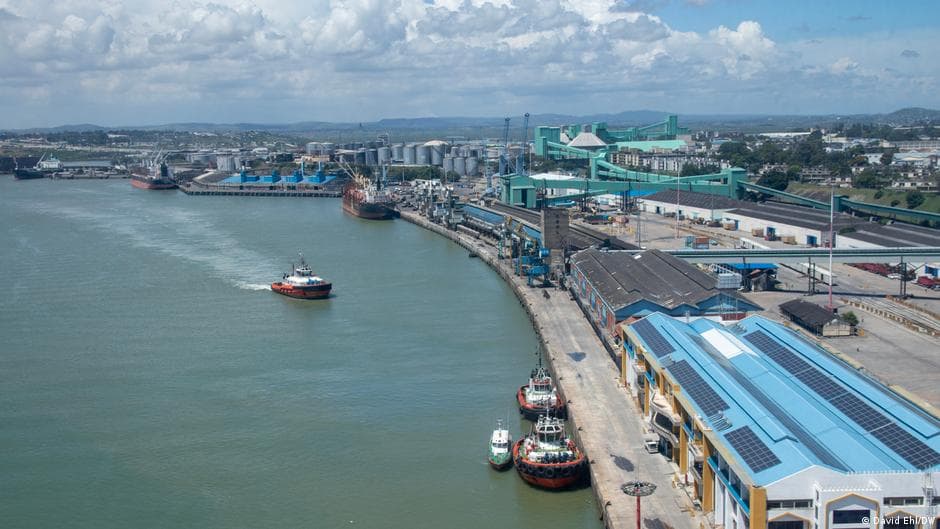
Some African economies are adapting differently to the disruption. Kenya has successfully re-evaluated supply chains and reported no shortages despite higher costs, according to political risk analyst Dismas Mokua. Ethiopia, by contrast, was forced to temporarily prioritize essential services in fuel distribution and faces economic risk given its previous ties to Iran and its dependence on Gulf states.
Nigeria's newly operational Dangote refinery, which became the world's largest exporter of aviation fuel in April, has positioned the country as a potential supplier to African clients. The corporation is planning another refinery in Kenya, and Nigeria has offered itself as a partner for African nations seeking alternative fuel sources amid the Hormuz crisis.