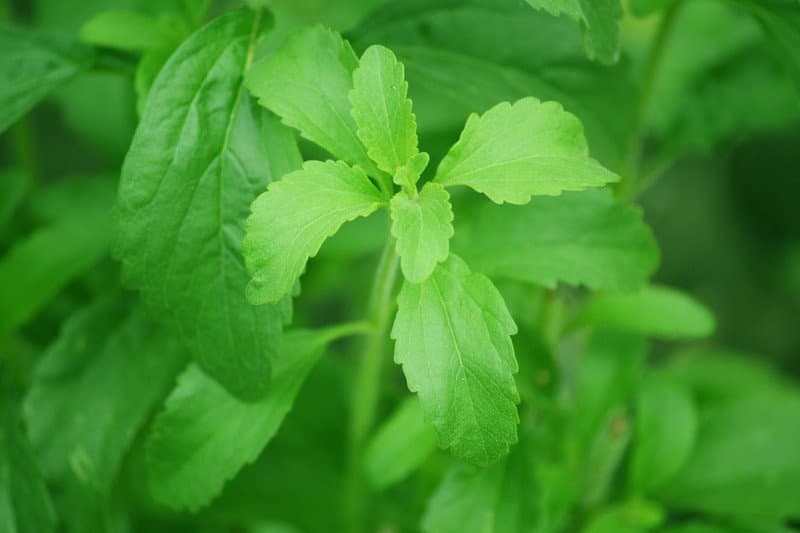
Stevia is increasingly recognised as an alternative to sugar, especially for people looking to reduce sugar consumption or maintain healthy blood sugar levels. This natural sweetener is now widely used in various food and beverage products, from coffee and tea to desserts. Its popularity stems from its very low calorie content and taste that is far sweeter than granulated sugar, meaning only small amounts are needed.
In general, stevia does have several advantages compared to granulated sugar, primarily because it contains almost no calories and does not cause blood sugar spikes like regular sugar. Stevia is a natural sweetener derived from the Stevia rebaudiana plant, which grows abundantly in North and South America. The sweetness of stevia comes from natural compounds called steviol glycosides, particularly stevioside and rebaudioside A, with a sweetness level approximately 150 to 300 times higher than granulated sugar.
One of stevia's main advantages is its very low calorie content, in fact it contains almost no calories, unlike granulated sugar which provides additional energy. This makes stevia a popular choice for people on a weight loss programme or wanting to reduce daily calorie intake. However, replacing sugar with stevia does not automatically make a food low in calories if it still contains high amounts of fat, flour, or other energy-dense ingredients.
Stevia is also a popular choice for diabetics because it contains no carbohydrates like granulated sugar and has a very low glycaemic index. Simple carbohydrates in granulated sugar can rapidly increase blood glucose levels after consumption, whereas stevia does not have the same effect. Nevertheless, diabetics still need to pay attention to their overall diet because using stevia does not mean they are free to consume sweet foods in excessive amounts.
Stevia can be used as a sugar substitute in various drinks and home-cooked meals, but its use in baked goods requires adjustment. Unlike granulated sugar, stevia does not undergo the same caramelisation process when heated, so the colour, texture and flavour of cakes or bread can differ slightly. In some recipes, the use of pure stevia can also leave a slight bitter taste or aftertaste.
In terms of nutritional content, stevia does have several advantages compared to granulated sugar, but this does not mean that stevia has high vitamin or mineral content or can replace a healthy diet. The World Health Organisation emphasises the importance of limiting added sugar consumption overall rather than simply switching types of sweetener used.
Stevia can be a good alternative for people wanting to reduce sugar intake, manage weight, or maintain healthy blood sugar levels. The benefits of stevia will be more optimal if balanced with a nutritionally balanced diet, sufficient physical activity, and limiting consumption of foods and drinks high in sugar overall. In other words, stevia does have a number of advantages compared to regular sugar, but no single type of sweetener can replace the importance of adopting a healthy lifestyle overall.