Conflict in the Middle East continues to disrupt global energy supplies. The Strait of Hormuz, which accounts for 20 to 25 per cent of global oil supplies, remains unsafe to navigate, while Bab Al Mandab in Yemen, threatened by Houthi forces, accounts for approximately 10 to 12 per cent of international oil routes.
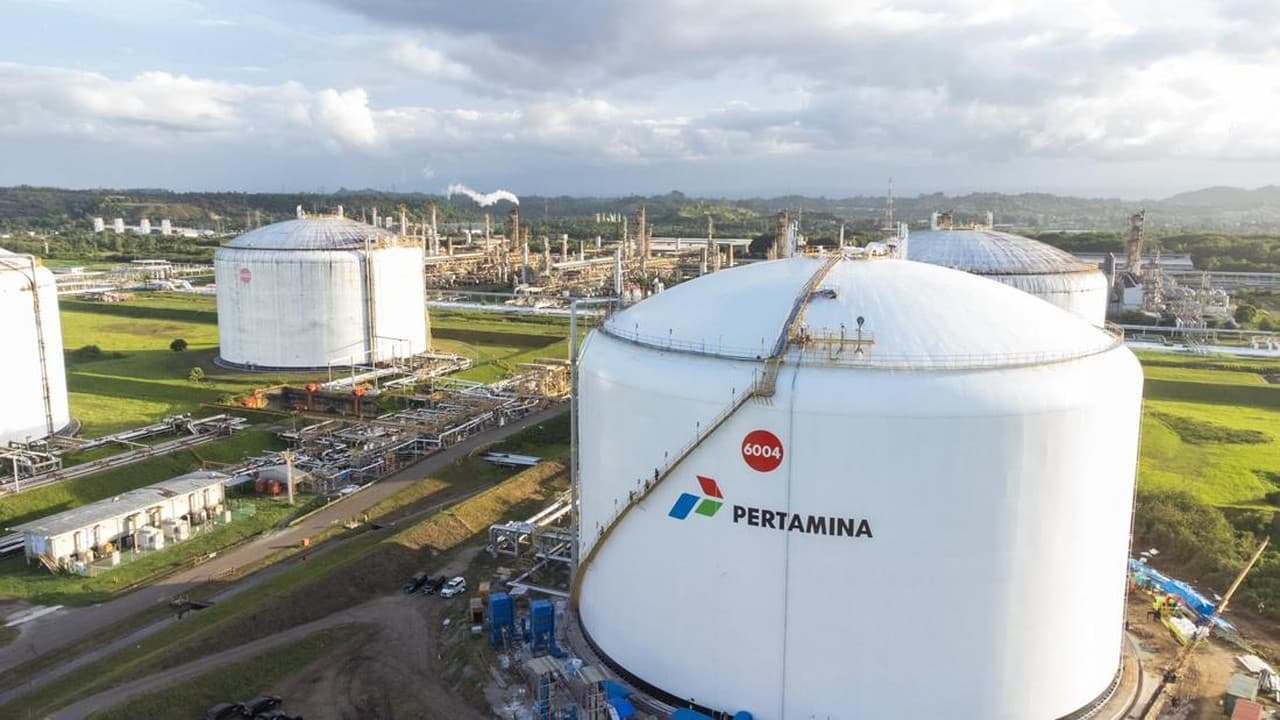
To anticipate these risks, the government and PT Pertamina (Persero) have begun expanding sources of energy imports from various countries outside the Middle East, including the United States, Africa, Asia, and the ASEAN region. The Ministry of Energy and Mineral Resources (ESDM) has also instructed contractors in production sharing contracts to prioritise domestic crude oil production and seek alternative LPG sources.
President Prabowo Subianto believes that the management of domestic energy amid geopolitical conflict has been successful, with Indonesia remaining calm while the world panics. This success, according to Prabowo, is due to the work of the ESDM Ministry and Pertamina in managing energy so that fuel subsidies remain in place.
Energy observer from Padjadjaran University Yayan Satyakti considers the import diversification strategy implemented by the government and Pertamina to be the right approach. Yayan recommends that the government prioritise the Singapore-Malaysia-India axis for fuel procurement as that route does not pass through Hormuz and has shorter waiting times.
For crude oil, Nigeria and Angola are the main alternatives to replace Middle East supplies, while the United States and Brazil can serve as reserves despite requiring longer shipping times. Pertamina Hulu Energi continues to increase domestic crude oil production, achieving 935 thousand barrels of oil equivalent per day at the end of the first semester of 2026.