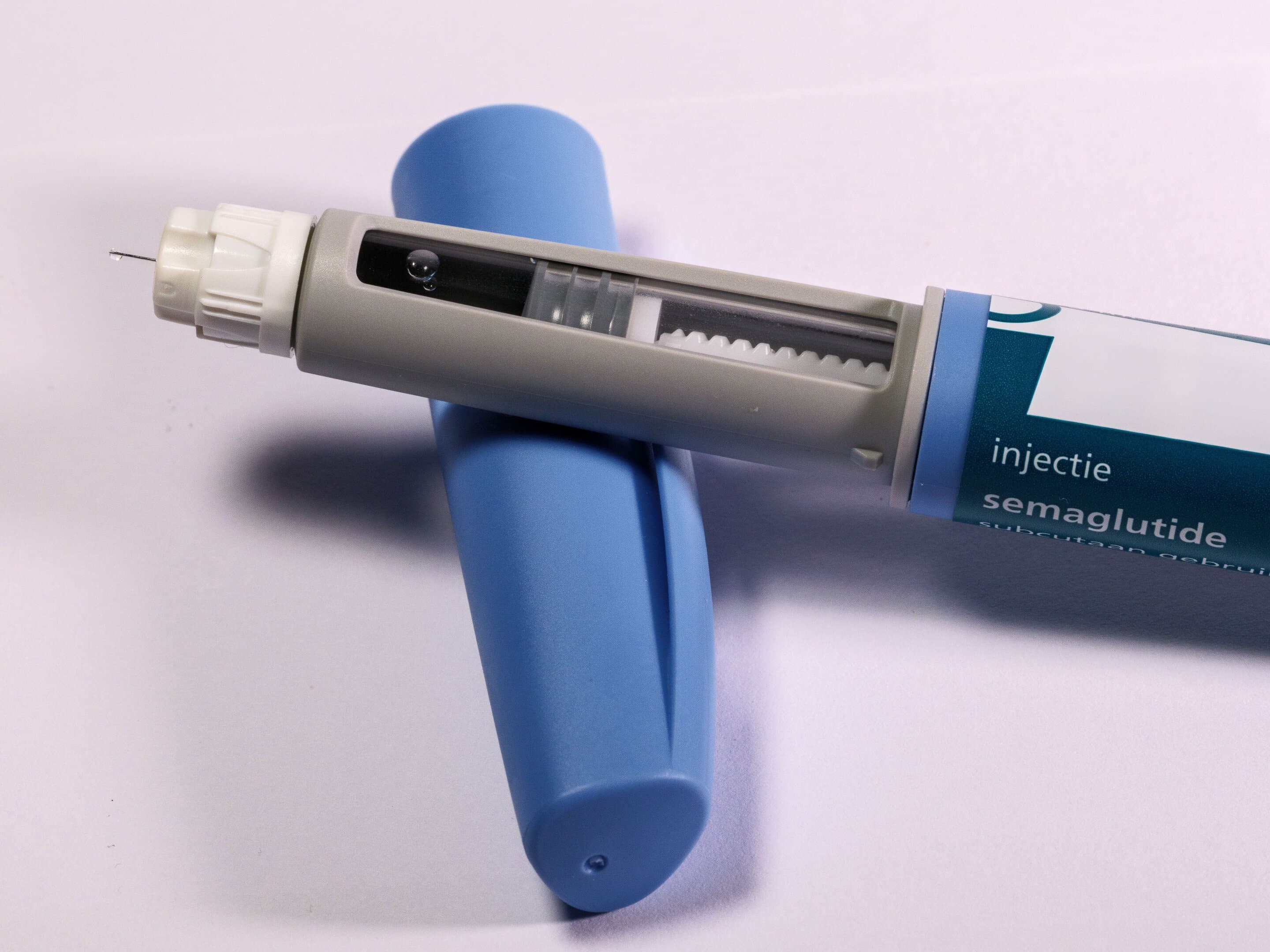
GLP-1 receptor agonist prescriptions for U.S. children under 12 with obesity surged to 310 times the 2019 level by June 2026, a new study shows. The research, published Sept. 4 in the journal Pediatrics and led by NYU Langone Health, found that 9.3% of children ages 8 to 11 with obesity and without diabetes were prescribed the drugs in 2026, up from 0.03% in 2019. Despite the rapid increase, absolute numbers remain low.
Prescriptions were more common among older children and girls, the study found. Among children ages 8 to 11, 0.6% received the medications, compared with 0.9% of those ages 12 to 17. An estimated 20% of U.S. children have obesity. The study examined data from more than 300 million American patients across 2,067 hospitals and 47,100 health clinics using Epic electronic health record systems.
Most children prescribed GLP-1s had severe obesity, with 93.7% meeting that threshold. Approximately 65.2% had at least one obesity-related illness such as high cholesterol, high blood pressure or sleep apnea. A quarter were prediabetic and therefore at high risk of developing diabetes.
Lead investigator Babak J. Orandi, an associate professor at NYU Grossman School of Medicine, said GLP-1 drugs can be effective at treating obesity and its metabolic complications. He noted that long-term risks of not prescribing them include chronic diseases like diabetes, hypertension and liver disease in early adulthood and middle age. Clinical trials involving the medications in children as young as 6 are already underway, Orandi said.
Children with obesity living in upper-income communities were 55% more likely to be prescribed GLP-1 medications than those in lower-income areas, the study found. Co-senior author Allan B. Massie, an associate professor at NYU Grossman School of Medicine, said the prescribing patterns show "the beginnings of a growing divergence between those who do and those who do not have access to the medications." He called on physicians and policymakers to ensure all young children with obesity who need the drugs have access to them.