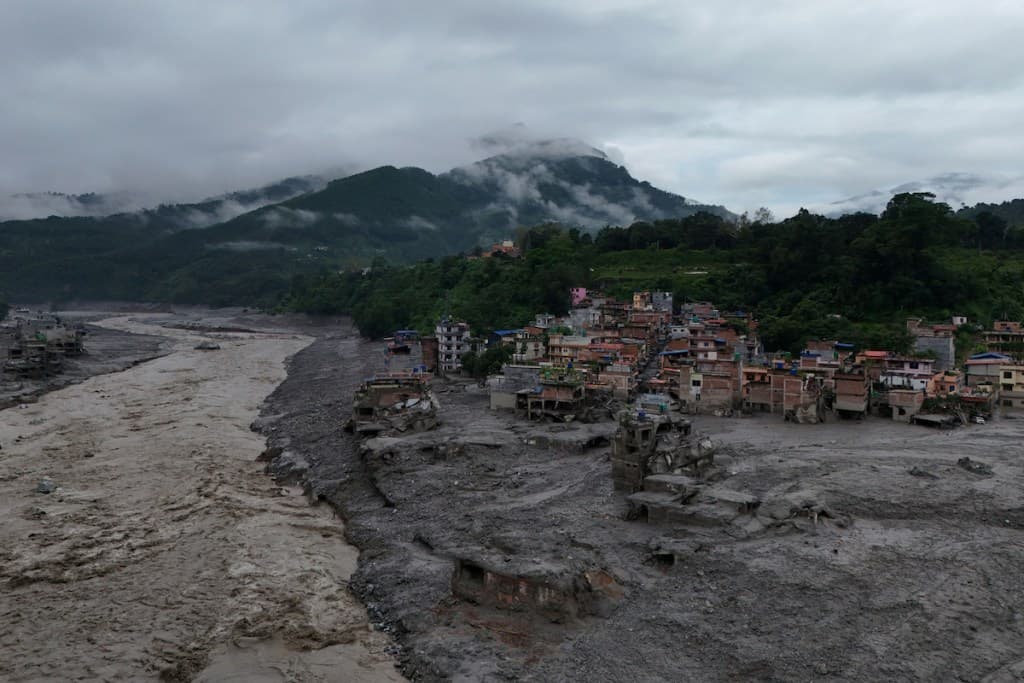
On August 26, an enormous mass of ice and rock collapsed near the Nepal-Tibet border and plunged into the Lhende Khola River. The collapse unleashed a wall of water, mud, boulders and debris that swept down the mountain valleys below.
The event represented more than a simple flood. The initial glacier collapse triggered a cascading series of geological events as the surge of material moved through the terrain, according to the account of the disaster.
The incident underscored the changing nature of climate-related hazards in the Himalayan region, where warming temperatures have begun to reshape mountain environments and the risks they pose to populated areas below.