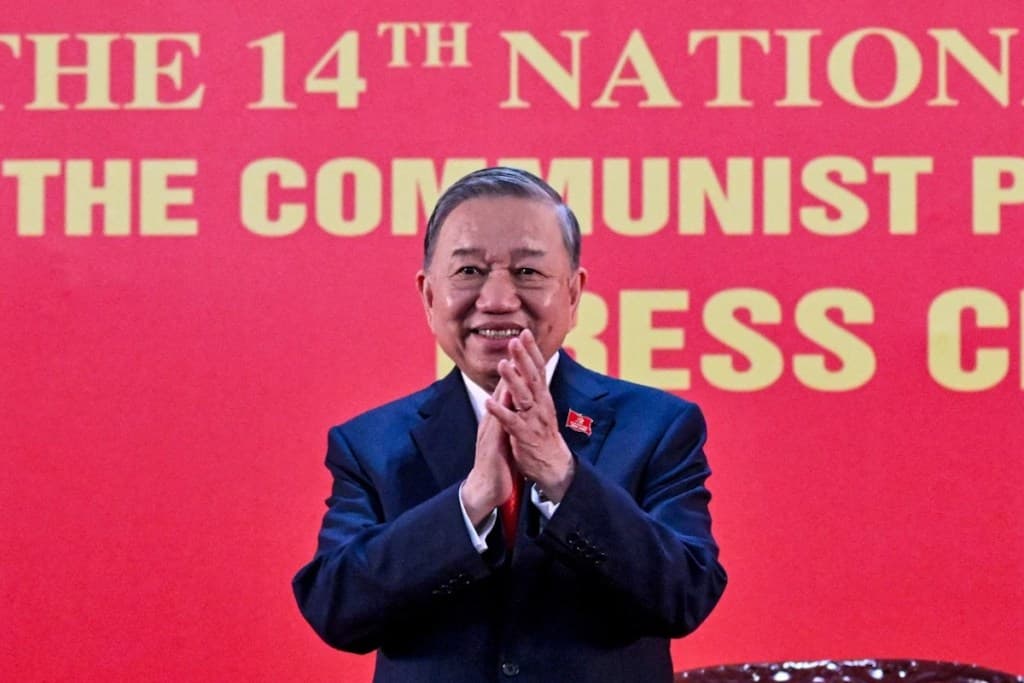
Vietnam is marking four decades since it launched Doi Moi, the economic renovation program that abandoned communist central planning in favor of market-oriented reforms.
The milestone coincides with what officials characterize as one of the most concentrated periods of institutional change since the market reforms began. The country has undergone a significant social transition and achieved economic growth over the four decades, underpinned by what analysts describe as an implicit social contract.
Current leadership under To Lam is pursuing a new phase of institutional restructuring, a course that observers say carries considerable risk as the government seeks to reshape the economic model that has supported Vietnam's development.