At Terminal 2 of Singapore's Changi International Airport, orange cleaning robots move among newly arrived passengers, performing cleaning tasks that were once done by human workers. An airport officer named Kitrina said the robots have been part of the airport's daily operations for more than three years.
Three days later, at a food court in the Great World shopping centre in central Singapore, Zainin works serving customers in a simple black uniform. The 56-year-old Malay-speaking man goes about his life in the ever-developing modern city.
When asked about Singapore in his childhood, Zainin describes life in a traditional wooden kampung house surrounded by swamps and scrubland. He remembers many snakes and mosquitoes, but also bird sounds that are now rarely heard amid the noise of subway trains and modern traffic.
Zainin's childhood changed when he was around ten years old, when the government began building a new Singapore by demolishing Malay kampungs that had stood for decades and relocating residents to public housing blocks. Zainin still remembers the day his house was razed and his family moved to a government-provided flat. Although the relocation gave his family a better quality of life, Zainin said what was lost was the kampung where he grew up.
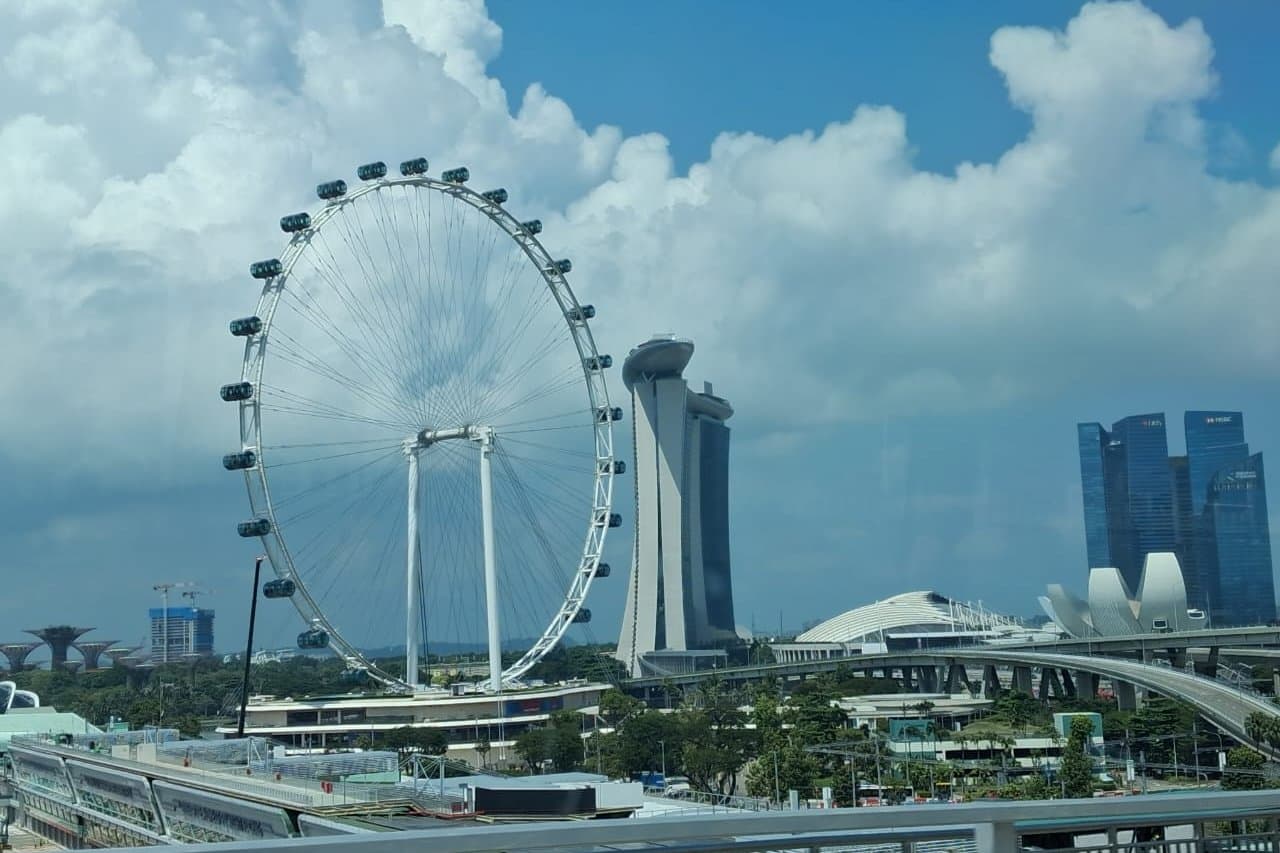
Zainin said that if someone wanted to see the atmosphere of a kampung, they could visit Batam, a city located about 20 kilometres to the southeast of Singapore in Indonesia's administrative area. Now only one kampung remains in Singapore, while the city continues to develop with robots working at the airport, trains running underground, and tall buildings filling the space that once housed the Malay community.