Since August 2021, the Taliban have progressively restricted women's rights in Afghanistan through successive decrees banning girls from secondary education and universities, excluding women from the workplace, restricting their freedom of movement, and eventually removing them from public life. The measures have drawn repeated condemnation from the United Nations and international human rights organizations. Afghanistan is now the only country where girls are prohibited from continuing their education beyond the sixth grade.
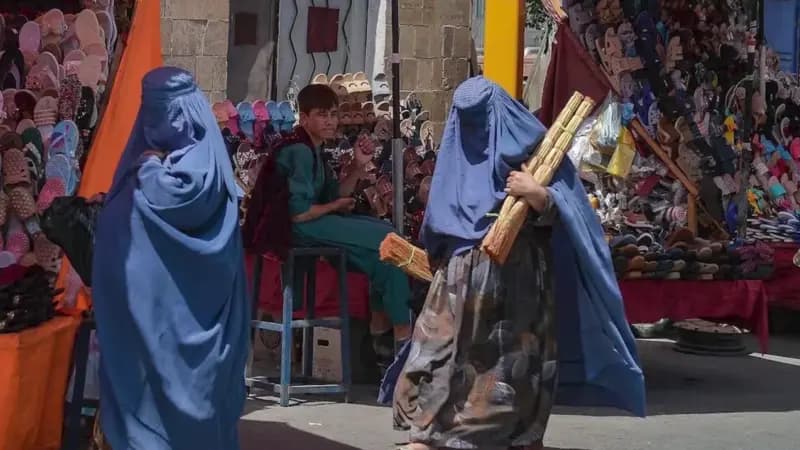
On June 6, 2026, at least 30 women were detained in Herat, Afghanistan's western city, for allegedly failing to comply with Taliban-imposed dress codes. The arrests signal a deeper transformation in how state repression operates, extending beyond the women detained to influence the behavior of millions more who now fear becoming the next target. The detention of women in Herat has created an atmosphere of uncertainty in which ordinary activities—visits to markets, medical appointments, family gatherings—now carry the unpredictable risk of questioning, humiliation, or arrest.
The wider impact of the arrests lies in the invisible changes they produce. Women who once traveled freely throughout their cities now must reconsider their movements, with some postponing journeys until a male relative can accompany them or avoiding leaving home except when absolutely necessary. This widespread self-restriction reshapes public life even among women never stopped by authorities, as fear becomes an instrument of control that extends repression into everyday behavior without constant enforcement.
Most affected women remain undocumented and unreported, their stories lost to an environment where surveillance is pervasive and retaliation is feared. Families often choose silence over seeking justice to avoid unnecessary attention, collective punishment, and detention. Human rights organizations can only document cases when survivors or family members report them, meaning the official record reflects only the visible edge of a much broader system of coercion.
Since the Taliban's return to power in August 2021, the European Union and other international actors have maintained limited engagement with the Taliban to facilitate humanitarian assistance, address regional security concerns, and cooperate on refugee returns and migration management. Critics argue these channels have developed even as the Taliban intensifies restrictions on women and girls.