The United States will need about 40,400 more primary care physicians by 2036 to meet the needs of a growing population, according to the Association of American Medical Colleges. The federal Health Resources and Services Administration projects an even sharper shortage, estimating more than 70,600 primary care physicians will be needed by 2038, including around 39,000 family doctors, 20,600 internal medicine doctors, 9,300 pediatricians and 1,500 geriatricians.
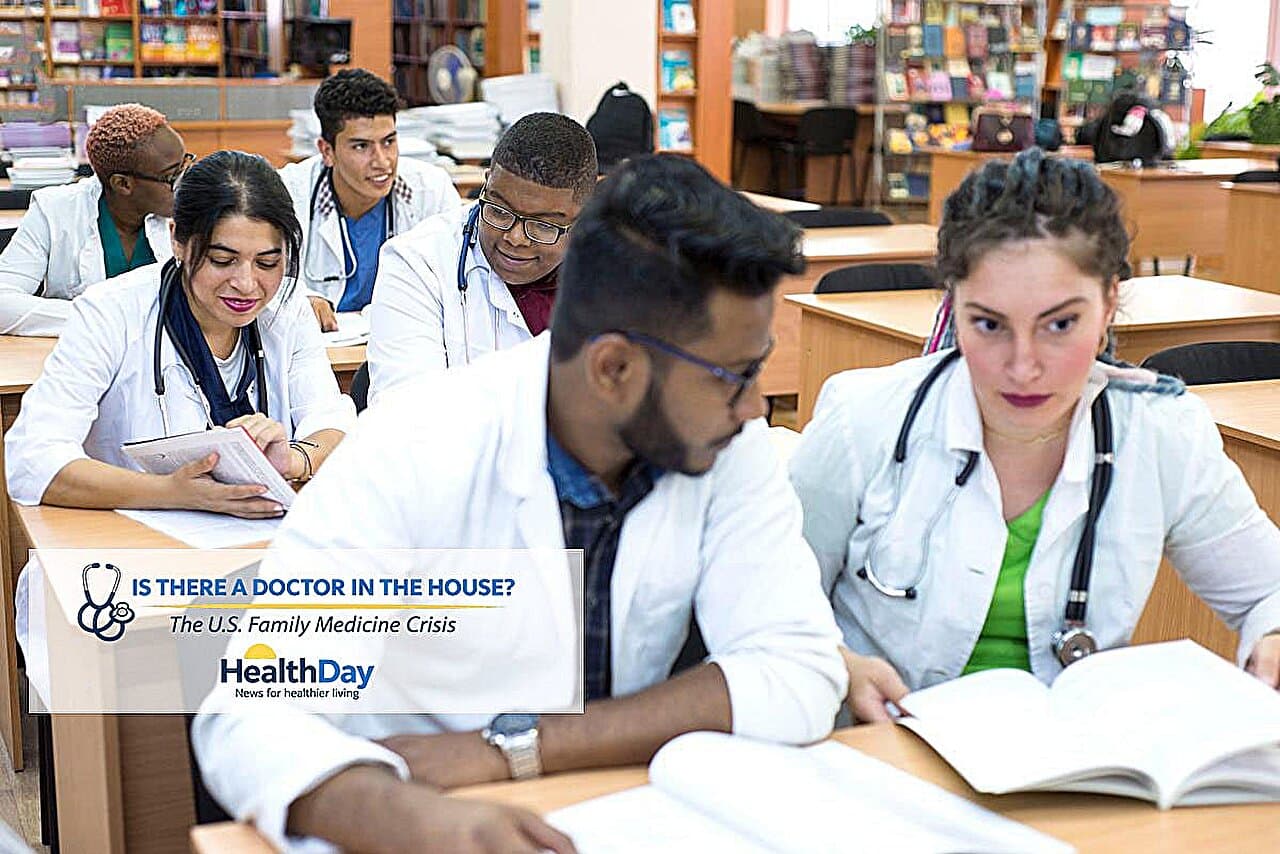
Yet medical students are not entering family medicine in sufficient numbers to address the gap. "A lot of medical students are choosing family medicine and general internal medicine, just not enough," said Michael Dill, director of workforce studies for the Association of American Medical Colleges. Many students report hearing from instructors that family medicine is beneath them, and they are discouraged by the specialty's lower pay, longer hours and heavy administrative burden.
Even students interested in family medicine often cannot find adequate training opportunities. Many medical schools do not offer a specific family medicine clerkship, and budding family doctors struggle to find residency positions. "The real bottleneck here is not the number of people interested in becoming physicians, it's our capacity to train new ones," Dill said.
While pay plays a role in specialty selection, experts said it ranks seventh or eighth among factors influencing students' choices. A 2024 AAMC graduate questionnaire found that 98 percent of medical school graduates cited fit with personality, interests and skills as most important, while 81 percent cited work-life balance and 78 percent said they followed an influential role model. About 55 percent said income expectations influenced their choice, and 25 percent cited anticipated college debt.
Family medicine ranks poorly on multiple fronts for prospective doctors. The specialty involves heavy paperwork and authorization requirements, as well as pressure to see as many patients as possible in a day, often encroaching on personal time. Patients today also arrive sicker and requiring more comprehensive care for multiple conditions, adding to the demands on family physicians. The AAMC estimates that 7 in 10 medical students graduated with some medical debt in 2023, with an average of more than $202,000—a burden felt acutely by family medicine graduates, whose salaries are among the lowest in the profession.