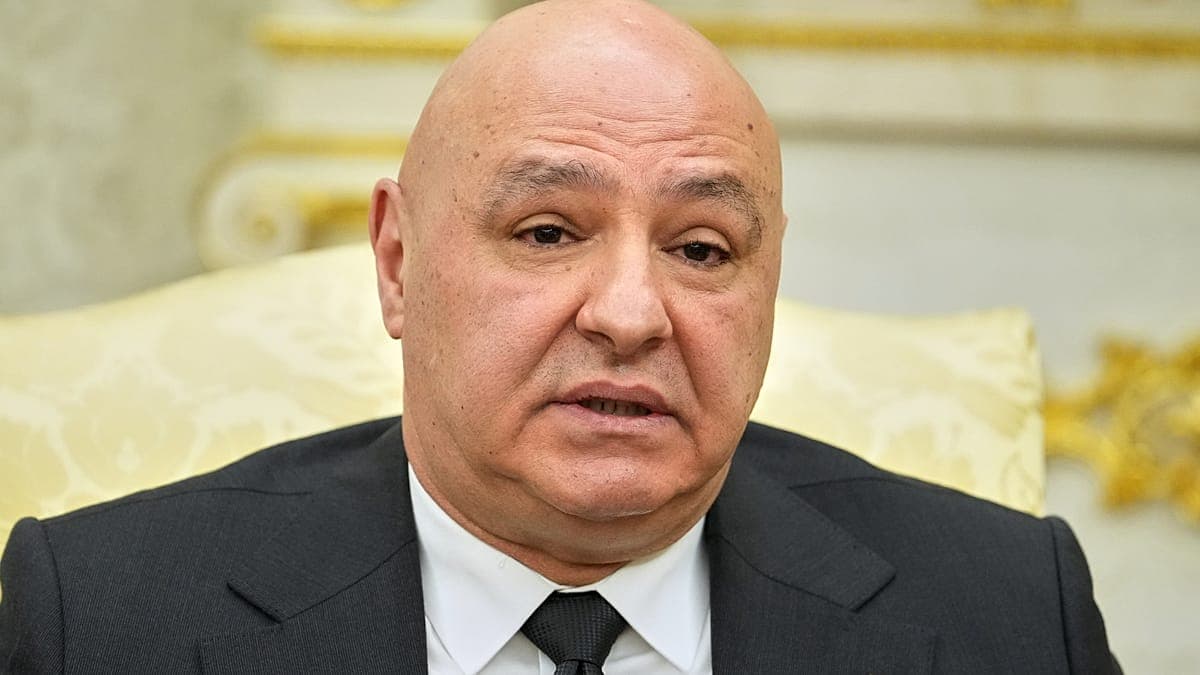
Lebanese President Joseph Aoun called on the United States on Sunday to take "urgent action" to halt Israeli airstrikes on southern Lebanon, denouncing what he described as "a serious escalation exceeding repeated breaches" of a ceasefire agreement and framework agreement between Lebanon and Israel.
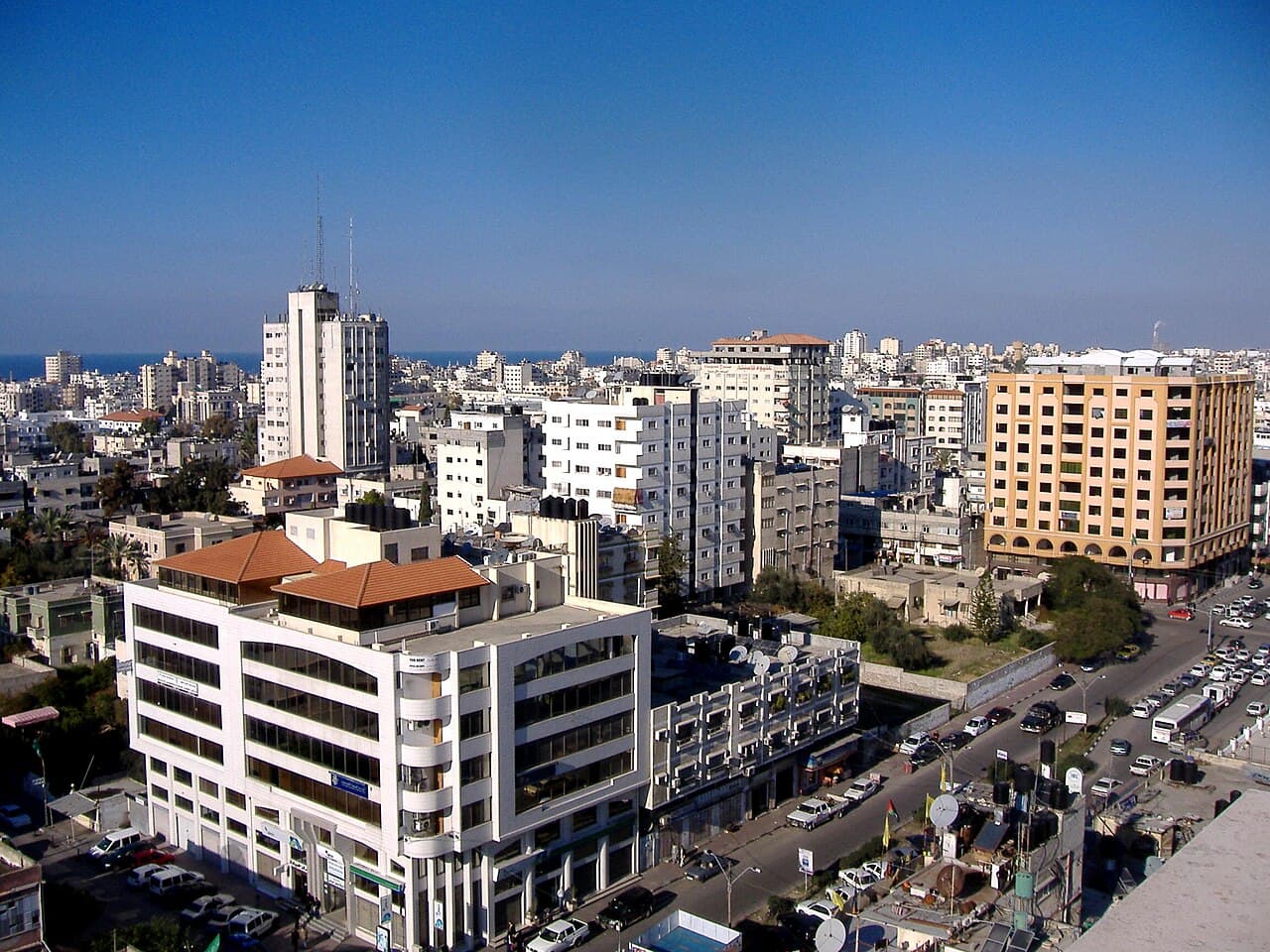
Three people were killed in an Israeli airstrike that targeted a vehicle in Nabatiyeh, according to Lebanese sources. The Health Ministry reported earlier on Sunday that four people had been killed and others wounded, including women and children, in multiple strikes on the area.
The Health Ministry said an Israeli airstrike targeted the town of Nabatiyeh al-Fouqa and destroyed the Salah Ghandour Hospital, which was not operational. The ministry described the targeting of the health facility as "a serious additional violation of international humanitarian law."
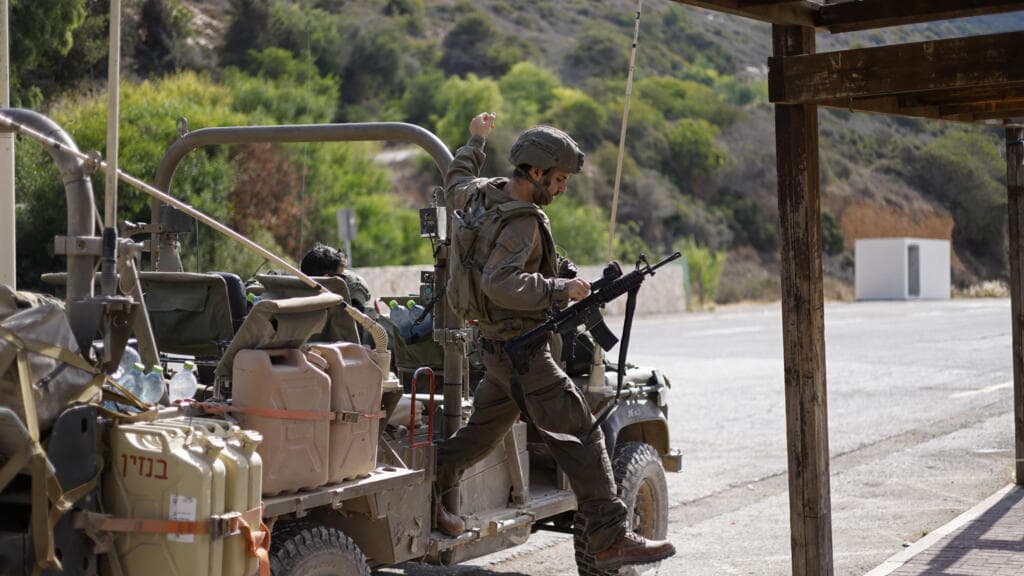
The airstrikes, which concentrated on Nabatiyeh and surrounding towns, came after the Israeli military said its forces were targeted by two drones that it said Hezbollah fired toward its troops in occupied areas of southern Lebanon. Hezbollah did not claim responsibility for any attack on Israeli forces.
The Israeli military said its forces would not allow "saboteurs in the region to carry out terrorist plots against the military." Aoun held Israel "fully responsible for the ongoing escalation," while asserting that "Lebanon, despite these attacks, continues its commitment to preserving its sovereignty, stability in the south, and the safety of its citizens."
The Israeli military said it struck areas in southern Lebanon in response to what it described as a drone launch by Hezbollah toward its forces in the "security zone" it maintains in the south, calling it a "violation of the ceasefire agreement." Before the strikes, the military issued a warning to residents of a building in Arasal and nearby structures to evacuate and move at least 300 metres away, saying the building was near a Hezbollah facility.
The Israeli military said it targeted "combat weapons storage" belonging to Hezbollah used for "planning and directing terrorist plots in the security zone," as well as a "command post" established inside a building formerly used as a hospital. According to the military, Hezbollah elements were operating from the post and using it for "reconnaissance and artillery" purposes.
The Lebanese National News Agency reported that the Israeli Air Force first struck a different house in Arasal that was not covered by the warning, killing two women, before later targeting the building that had been warned. In Nabatiyeh, debris covered desks and chairs inside a government building housing offices of the Finance and Agriculture ministries after an Israeli airstrike.
Nabatiyeh Mayor Abbas Fakhr al-Din told France Press that what occurred was "heinous crime," demanding that the state "take action" and "at minimum" defend its institutions. Prime Minister Nawaf Salam contacted officials in Nabatiyeh to follow up on the strike's consequences and damages. Salam affirmed that "these attacks will not deter the government from continuing to support the return and resilience of citizens, and ensuring the continuation of public services and meeting citizens' needs."
Tension persists in southern Lebanon despite a relative decrease in airstrikes and shelling since June, following a memorandum of understanding between the United States and Iran, alongside the framework agreement between Lebanon and Israel. Israel continues to occupy wide areas in southern Lebanon, where it announced the establishment of a "security zone" extending up to ten kilometres along the border, and continues to conduct strikes, demolition, and destruction operations in the area. Hezbollah has not claimed any operations since June.
Consistently, Hezbollah's Secretary-General Naim Qassem has leveled sharp criticism at Lebanese authorities, saying the "framework agreement" they signed "is neither an agreement nor a framework, but Israeli dictates." Qassem affirmed that Hezbollah "will remain steadfast" and will "not accept surrender and violations of Lebanese sovereignty," repeatedly criticising Lebanese authorities by saying: "Stop compounding failure."
On Friday, Israel conducted airstrikes on several areas in southern Lebanon, killing four people and wounding 32 others, with Israel saying it "targeted Hezbollah positions in response to a drone launch toward its forces." On Thursday, the Israeli military announced it had imposed "operational control" over the Aliye al-Tahir heights in southern Lebanon, above and below ground, following weeks of operations it said targeted a tunnel network and Hezbollah facilities.