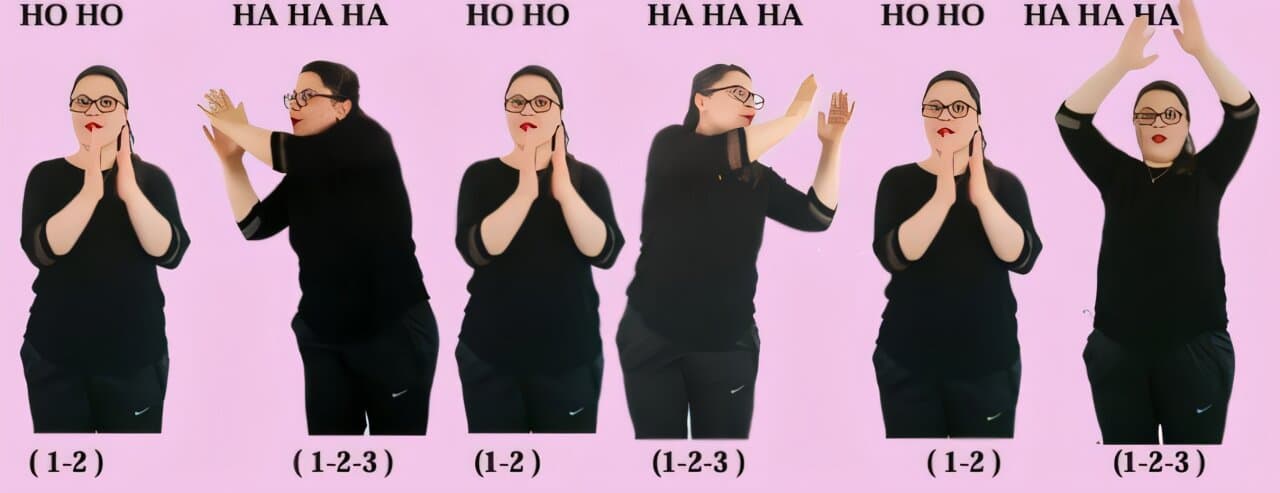
A clinical trial presented at the European Respiratory Society Congress in Barcelona found that laughter therapy can reduce breathing difficulties in patients with chronic obstructive pulmonary disease as effectively as traditional breathing exercises. The study compared 63 COPD patients at Ankara Bilkent City Hospital in Türkiye, with one-third assigned to laughter therapy, one-third to pursed-lip breathing exercises and one-third to no breathing exercises.
Patients in both treatment groups practiced their assigned exercises for 30 minutes, three times per week for eight weeks, supported with video calls and text messages. Laughter therapy included rhythmic clapping with vocal sounds, playful exercises such as mimicking a motorcycle or lion's roar, laughter meditation and relaxation exercises. Pursed-lip breathing, an established COPD technique, involves breathing in through the nose and out slowly through pursed lips.
After treatment, patients receiving laughter therapy and those using pursed-lip breathing exercises reported less difficulty breathing compared with the control group. Both treatment groups also showed improved overall health, though there was no difference in their day-to-day care needs. The breathing improvement persisted even a month after the program ended, researchers said.
Researchers said laughter therapy offers an effective, low-cost treatment that patients can practice at home without equipment or specialist support. Dr. Goncagul Aldan, who presented the results, said laughter may exercise breathing muscles, promote deeper exhalation and trigger endorphin release. However, she noted that the mechanisms behind laughter therapy in COPD remain poorly understood and more comprehensive research is needed.
The researchers said they now hope to study laughter therapy on a larger scale with international collaboration across different countries. Dr. Marc Miravitlles, vice president of the European Respiratory Society who was not involved in the research, said the results showing improved breathing and general well-being were promising, noting that laughter therapy's simplicity and low cost meant it could be used widely.