The Bundibugyo strain of Ebola has caused more than 3,000 deaths and more than twice as many reported cases in the Democratic Republic of Congo, according to the U.S. Centers for Disease Control and Prevention. Analysts warned that the crisis is compounded by food insecurity affecting roughly 26 million people across the region.
Malnutrition increases vulnerability to the virus, officials said. Tedros Adhanom Ghebreyesus, director-general of the World Health Organization, said that people weakened by hunger are more susceptible to infection. Healthy food strengthens immune response and helps medications work effectively, allowing faster recovery, according to Grace Kwakezime Mongame, an emergency nutritionist at the World Food Programme in DRC.
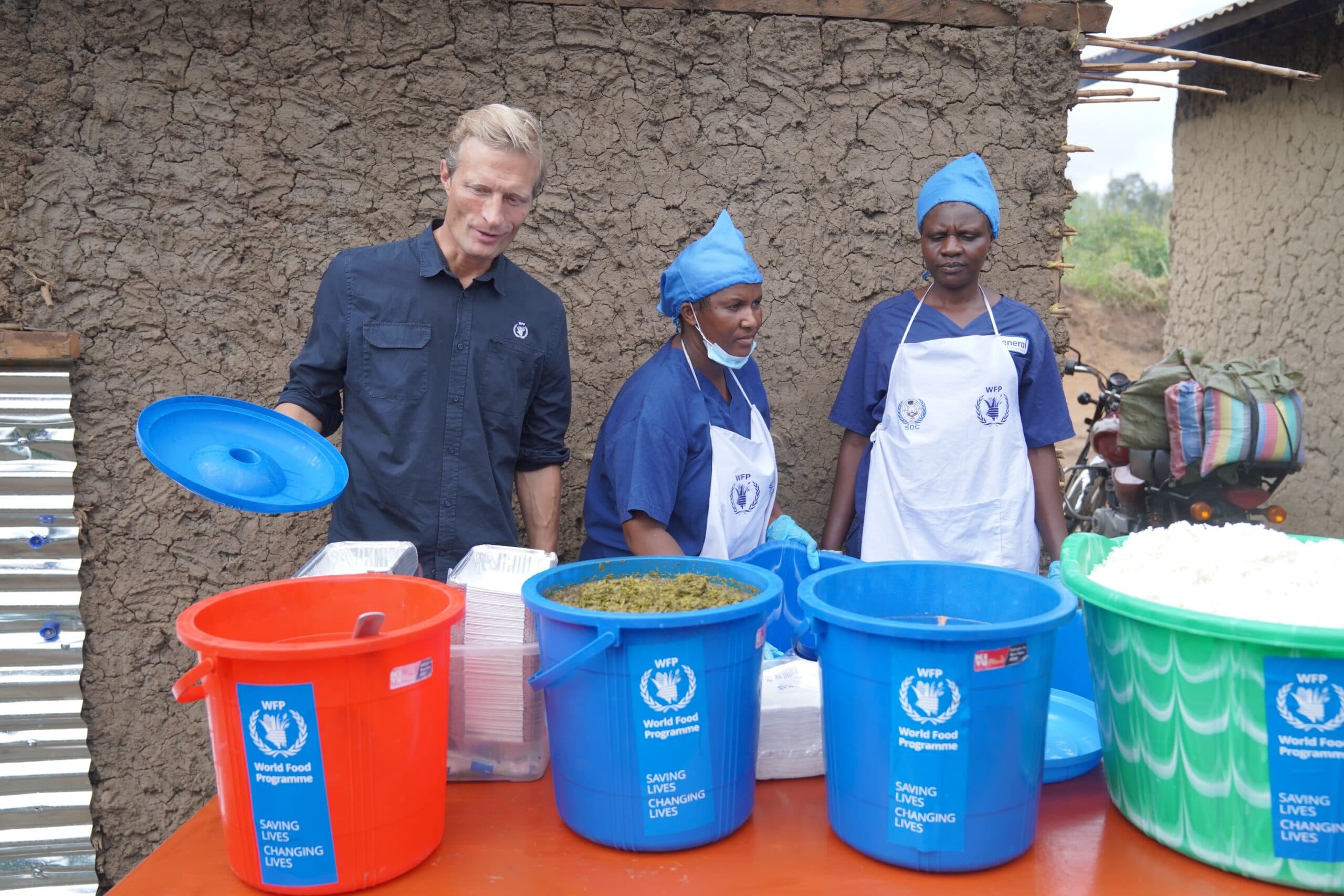
Food shortages force people to leave their homes, potentially spreading the disease to others in their communities, officials noted. Movement increases the risk of transmission since Ebola spreads through contact with infected bodily fluids. The World Food Programme provides aid to patients' families, allowing the sick to remain in isolation while dependents are fed.
Hunger also drives people to hunt in forests like Virunga National Park, risking transmission to wildlife. Between 2002 and 2003, roughly 5,000 western lowland gorillas died from Ebola in the Republic of Congo, according to previous reports. Ebola is a zoonotic disease that spreads from wildlife to humans through contact with infected blood or consumption of infected meat.
Addressing the crisis requires creating economic opportunities and agricultural practices outside national parks to reduce dependence on forest resources, according to Dr. Eddy Kambale, head veterinarian of Gorilla Doctors in DRC. The health of humans and wildlife are interdependent, he said.