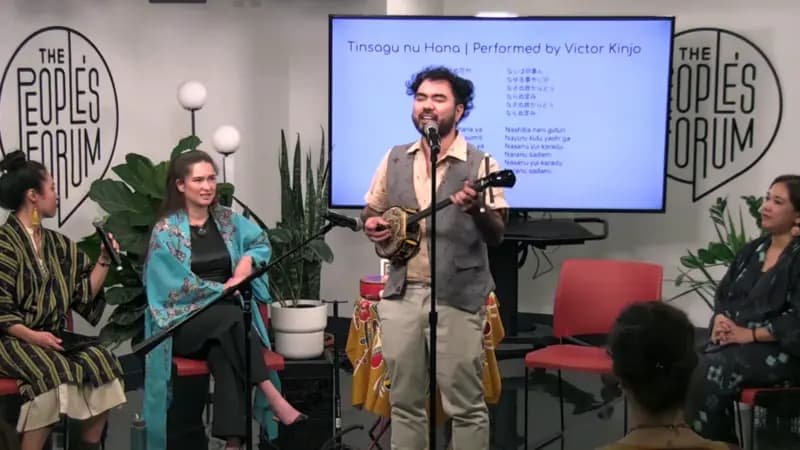
Ryūkyūan nongovernmental organizations, experts, and advocates presented their case before the UN's Expert Mechanism on the Rights of Indigenous Peoples on July 13, calling on Japan to legally recognize their Indigenous status and address problems stemming from U.S. military bases throughout Okinawa. Since 2008, various UN committees have issued six separate recommendations that Japan recognize the Ryūkyūan people as an Indigenous group, but the government has repeatedly declined to do so.
Two distinct groups, the Ainu and the Ryūkyūan people, have ancestral pre-colonial ties within Japan. The Ainu, tied geographically to Hokkaido, saw their Indigenous status recognized in 2008 and codified in the 2019 Ainu Policy Promotion Act, though the government has not granted them inherent Indigenous rights including self-determination and land rights. The Ryūkyūan people, who resided in present-day Okinawa and Kagoshima under the independent Ryūkyū Kingdom from 1429 to 1872, have had no such recognition.
Ryūkyūan Indigenous claims have been hindered by aggressive assimilation policies dating to Japan's Meiji era beginning in 1868, including replacement of traditional names with Japanese surnames, banning local religious practices, suppressing the Ryūkyūan language as a "backward" dialect, and portraying native culture as inferior in schools. UNESCO listed the Ryūkyūan language as endangered in 2009 and warned of potential extinction by 2050, yet no national policy exists to preserve it given its "dialectic" status.
Assimilation policies have successfully curbed the Ryūkyūan Indigenous rights movement. A 2022 survey found that while about 60 percent of Okinawa residents agreed their identity is distinctive, 95 percent did not view themselves as Indigenous, with 70 percent having little knowledge of UN Indigenous rights frameworks. Some residents feared sowing domestic division, while others worried that foreign influence could lead to removal of U.S. military bases, affecting Japan's national security. In 2024, prefectural councils in Okinawa passed resolutions demanding the UN retract its recommendations for granting Indigenous status to Ryūkyūans.
Thirty-one active U.S. military installations operate throughout Okinawa. During World War II, U.S. forces displaced hundreds of thousands of Ryūkyūans and built military infrastructure across the islands. The U.S. administered the islands from 1945 to 1972, when they provided strategic support during the Korean War and Vietnam War. Though widespread protests forced the U.S. to return administration to Japan, the continued military presence complicates Ryūkyūan Indigenous rights advocacy.