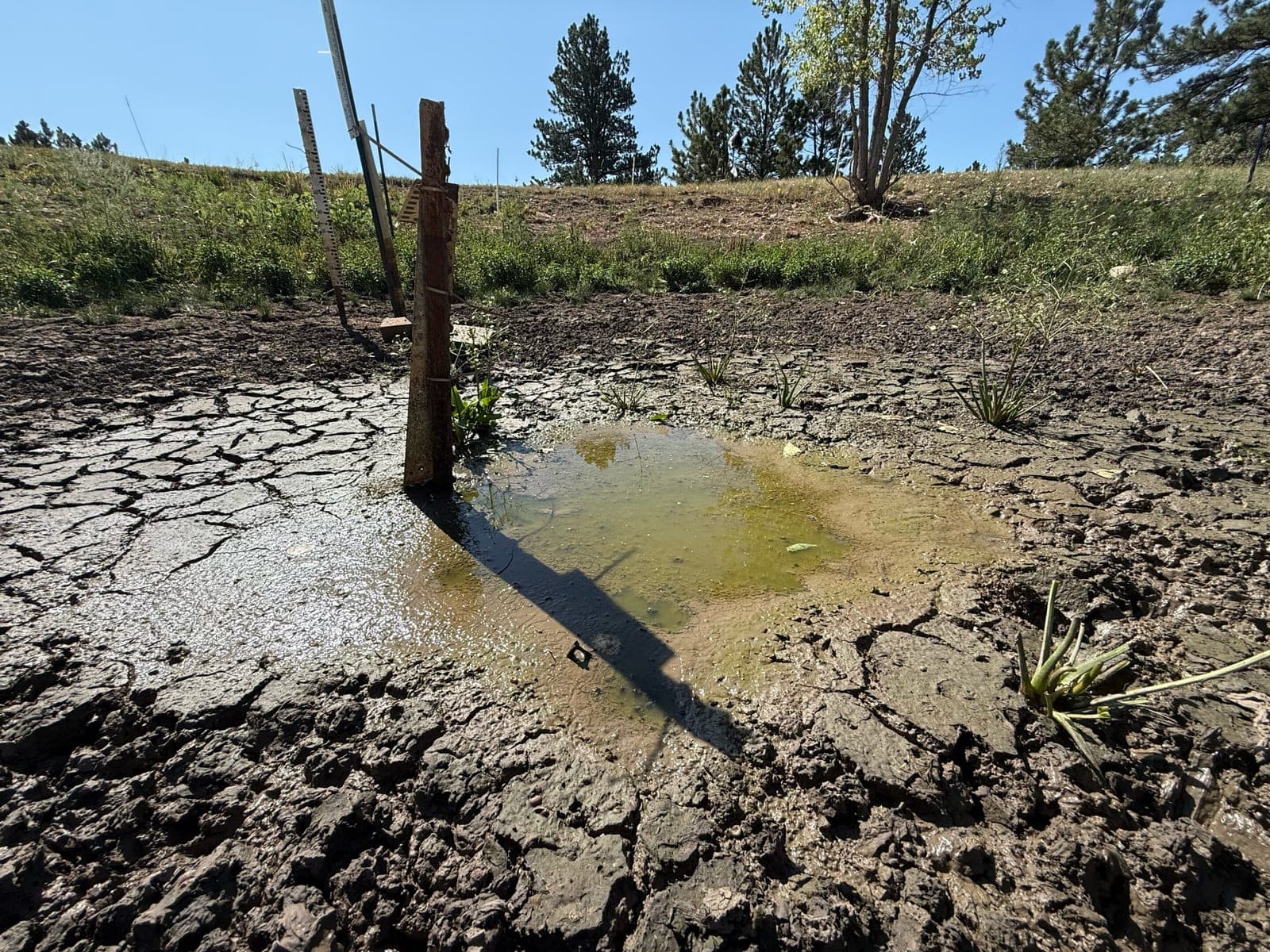
Droughts are reshaping how infectious diseases spread worldwide, with conditions that dry up water sources sometimes amplifying outbreaks of illnesses like cholera and West Nile virus, according to a review paper published in Trends in Ecology & Evolution. Researchers from CU Boulder and the Cary Institute of Ecosystem Studies examined how drier conditions could make humans and wildlife more vulnerable to certain infectious diseases even though many pathogens and disease-carrying organisms depend on water to survive.
Over the past few decades, more than 77% of Earth's land experienced drier conditions, according to a United Nations report. In the western United States, the worst megadrought in 1,200 years has drained crucial reservoirs like Lake Mead to only a third of their capacity. Rising temperatures driven by climate change are making droughts more frequent, more intense and more widespread.
One key mechanism by which droughts intensify disease transmission occurs when water bodies shrink and force animals to concentrate around remaining watering holes and habitats, creating hotspots for parasite transmission. Droughts can also make certain parasites and disease carriers adapted to harsh conditions more successful. In North America, mosquito-borne diseases like West Nile virus and St. Louis encephalitis virus have become more prevalent, in part because dwindling water levels have reduced aquatic organisms like dragonfly larvae that prey on mosquito larvae. Valley fever, a fungal disease, infects people and other animals through contaminated dust, which is more abundant in drier times.
Not all pathogens benefit from drought conditions. Chytrid fungus, a deadly pathogen partially responsible for global amphibian declines, tends to spread poorly under dry conditions. To predict which pathogens might become winners or losers as drought intensifies, researchers identified characteristics that may determine their success. Pathogens that can infect a variety of hosts are likely to fare better than specialists that infect only a single species, and those that can survive outside aquatic environments will have an edge over those confined to aquatic species.
Researchers said climate change is making droughts more variable and less predictable. As droughts become more frequent and extreme, they added, forecasting how disease transmission will change is critical for anticipating outbreaks and preparing for them.