Cambodia's environment ministry urged the public and social media content creators to stop posting content that encourages wildlife commerce, consumption or capture, warning that such actions are illegal and pose risks to human health and wild animals. At an Aug. 7, 2026 press conference, ministry spokesperson Khvay Atitya called on social media users to refrain from posting wildlife content to promote trade, including photos and videos of wildlife dishes and rare plants.
Atitya said that eating wildlife meat provides no health benefit and can pose serious risks to consumers, according to reporting from The Phnom Penh Post. Although Cambodia does not yet have a law specifically governing online wildlife trade, the advertising, sale, purchase or transportation of wildlife or its parts through social media are considered punishable offenses, with sentences ranging from 5-10 years imprisonment, fines or both. Equipment used in such crimes and income earned from illegal wildlife trading can be confiscated, Atitya said.
Russell Gray, head of ECO-SOLVE at the Global Initiative against Transnational Organized Crime, called the government's move welcome but cautioned on follow-through. Online illegal wildlife trade and physical wildlife trade are increasingly inseparable, Gray said, with social media and online marketplaces now serving as the primary infrastructure through which wildlife is advertised and trafficking networks operate.
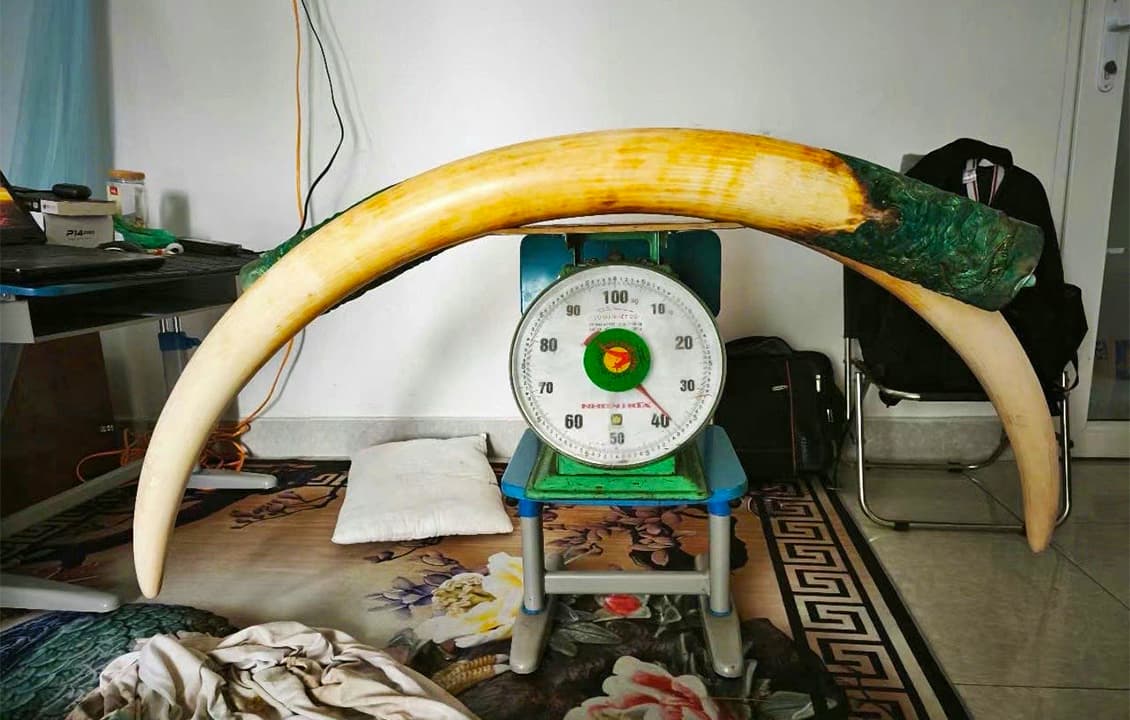
The ministry's statements follow a June 2026 undercover investigation by the NGO Earth League International that found rampant illegal wildlife trading in Cambodia involving endangered species products including rhino horns, ivory, tiger skin and bones, and pangolin scales. The report identified a trafficking enterprise run by Chinese expats that also operated scam centers in Cambodia, with tigers and their parts in high demand.
Andrea Crosta, Earth League International's executive director, called the Cambodian ministry's statements "a good first step" but said the government is falling short of addressing the bigger issue of wildlife trafficking. Focusing on social media trafficking, which is much smaller than big traffickers, gives the impression that the government is paying attention without sufficient effort, Crosta said. He suggested Cambodia needs on-the-ground enforcement and political will to take on the wealthy and powerful fueling the trafficking enterprise rather than placing responsibility on social media platforms and other intermediaries.