The double earthquake that struck Venezuela on June 24 devastated six coastal states, leaving young children displaced in temporary shelters across Caracas and La Guaira. Nearly 3.9 million children live in the affected areas, and hundreds of thousands face urgent needs for housing, food, and psychological support, according to UNICEF.
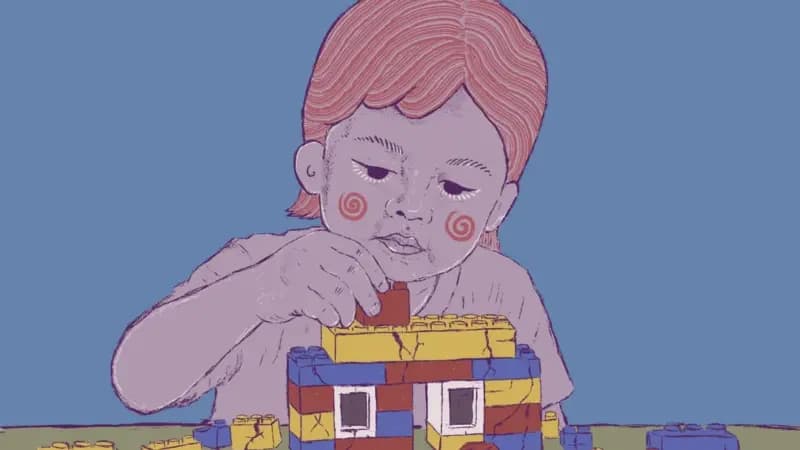
Five-year-old Elyas now lives in a tent at a sports complex, among other displaced families. He demonstrates precise recall of traumatic moments from the disaster, describing how a two-story wall collapsed onto his father's back and cut his grandmother's hand. His mother said the family attempts to distract him from these memories, but he brings up the events unprompted and asks repeated questions about them.
Janet Guerra, a psychologist and child development specialist at Andrés Bello Catholic University, warned that traumatic experiences in children ages zero to five remain "etched in the body," even when not processed logically. If this fear is not addressed, Guerra noted, children may develop emotional dysregulation in response to future stressful events, with consequences that can extend into adulthood.
In the shelters, food insecurity compounds the psychological impact. According to Marianella Herrera, a nutritionist with the Bengoa Foundation, communal kitchens prioritize supplies like rice, beans, and arepas over the specific nutritional needs of young children. A March 2024 bulletin from Cáritas Venezuela indicated that in 67 percent of monitored communities, acute and severe malnutrition among children under five exceeded health-alert levels, a problem predating the earthquakes but worsened by the disaster.
Argelia Escalona, a social worker at Cecodap, emphasized that even the youngest children understand and feel the disaster's impact, absorbing tension in their surroundings and expressing it through behavioral changes. State protection agencies remain "severely weakened and under-resourced," according to Gloria Perdomo of Redhnna, hampering efforts to support affected families.