Public officials in North Macedonia came under fire for honoring Ratko Mladić, the former commander of Bosnian Serb forces during the 1992–95 Bosnian War, following his death on August 27 while serving a life sentence. The International Residual Mechanism for Criminal Tribunals at The Hague convicted Mladić in 2017 of genocide, crimes against humanity and war crimes, with the verdict upheld on appeal in 2021.
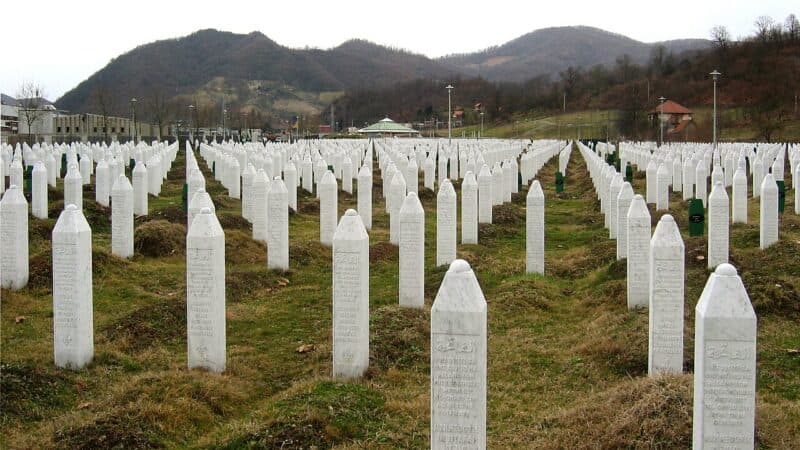
Mladić's convictions stemmed from the 1995 genocide in Srebrenica, persecution, extermination, murder, deportation and forcible transfer, attacks against civilians in Sarajevo, and the taking of UN personnel hostage. The Democratic Party of Serbs in Macedonia, led by Minister of Local Self-Government Ivan Stoilković, portrayed Mladić as a general who served the army and the people. Dalibor Kitanović, director of the Agency for Exercising the Rights of Communities, published a photomontage placing Mladić among the "generals of the heavenly army," later deleted.
Critics said such statements were incompatible with public office. They noted that the tributes sent a message to ethnic Bosniak citizens in North Macedonia that their suffering in the genocide "matter less," potentially harming interethnic trust as the country marks 35 years of independence. The state's mission, officials said, should be to ensure equal access and respect for differences among all communities.
North Macedonia's Criminal Code provides for penalties for publicly denying, grossly minimizing, approving of or justifying genocide and war crimes, including through information systems. Critics called on the prosecutor's office and courts to examine whether the posts met elements of a criminal offense, while asserting that public officials could be held to political and moral accountability regardless of judicial findings.