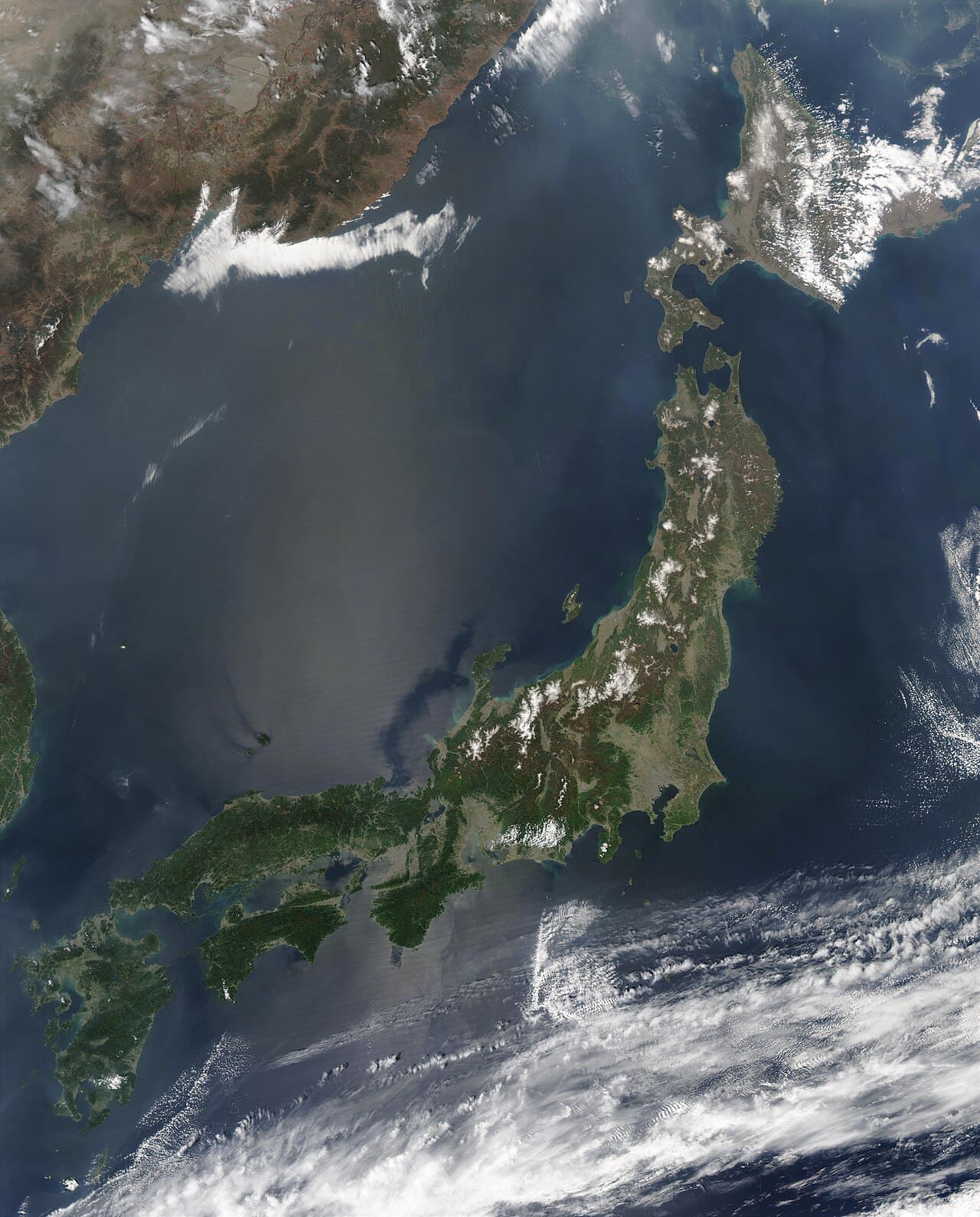
Nikkei Asia reported on August 19 that Namura Shipbuilding plans to construct a new drydock for large vessel construction by 2035. The facility would be located in Imari Bay on the northwestern coast of Kyushu in Saga prefecture and would be the first new large drydock in Japan since 2017. Upon completion, it will reportedly focus on construction of liquefied natural gas carriers.
The announcement follows a series of government and industry initiatives aimed at reviving Japan's shipbuilding sector. In November 2025, Prime Minister Takaichi Sanae designated shipbuilding among 17 nationally important sectors for growth through public-private investment. Japan's government and industry are aiming to establish a 1 trillion yen ($6.5 billion) fund to support the effort, with a roadmap targeting doubled annual shipbuilding capacity to 18 million gross tons by around 2035.
The expansion is driven by strategic considerations. Japan was a major shipbuilding power in the postwar period but has gradually lost market share. China now dominates global shipyards while maintaining a growing naval presence. By contrast, U.S. naval shipyards face significant delays and maintenance backlogs. Japanese and U.S. officials have explored broadening repair operations for American vessels at Japanese yards beyond current U.S. military bases, discussions held at the Defense Industrial Cooperation, Acquisition, and Sustainment forum.
However, current Japanese shipyards already operate at full capacity. Namura's expansion decision followed sustained high utilization of its existing Imari dock, and Tokyo's own roadmap identifies capacity shortfall as the principal obstacle to doubling output. The new drydock will not be completed until 2035, and its dock time is already planned for LNG carrier construction. These constraints suggest that scheduling space for U.S. Navy maintenance work may prove difficult regardless of formal agreements between the two countries.
Additional obstacles persist beyond capacity. Converting commercial shipyards to naval work requires cleared workforces, familiarity with U.S. Navy specifications, and lengthy qualification processes. Labor shortages present another challenge, with one estimate identifying a potential shortfall of up to 12,000 workers in shipbuilding-related fields if the industry achieves its expansion goals.