Fnideq, a Moroccan city only kilometers from the Spanish enclave of Ceuta, has become a flashpoint in the migration debate after an estimated 72,000 people crossed from Morocco into Ceuta on July 30. Social media calls for another mass crossing attempt in mid-August have drawn new arrivals to the border city, even as around 100 people died in the July attempt.
Most of those who crossed in July have since returned to Morocco. Between 2,000 and 8,000 remain in Ceuta, according to reports, living in desperate circumstances with many sleeping on beaches while awaiting Spanish authorities' decisions on their status. Moroccan police arrested 111 people on August 15 as they attempted to enter Ceuta, and a heavy security presence including patrol boats and water cannons prevented any large-scale crossing that day.
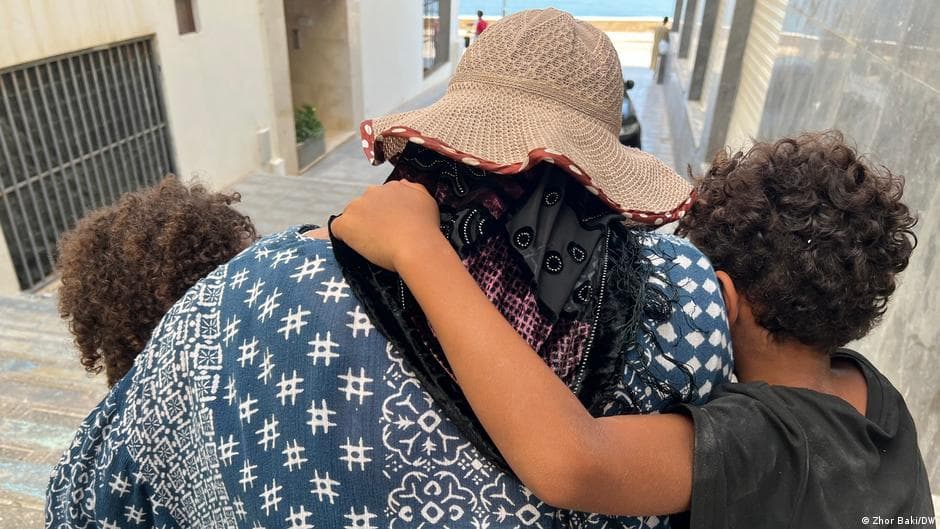
For some in Fnideq, economic desperation outweighs the risks. A woman identified as Malika, who traveled from Casablanca with her two children, told reporters she had been sleeping rough in the city and searching for ways to feed her family. "My life is below zero," she said. "I have no life." She expressed hope that reaching Ceuta would allow her children to study and improve their circumstances. A 22-year-old named Ahmed Amhid, who came from Oued Zem after hearing about the August crossing, said he saw no job opportunities or future in Morocco.
Others have rejected the crossing despite acknowledging economic hardship. A 30-year-old identified as Mohamed al-Dami said he would not risk his life attempting a sea crossing, noting that even successful arrivals in Ceuta carried no guarantee of a better future. A 34-year-old merchant named Munir Hamdouch cited decreased tourism in Fnideq but said the city needed economic revival projects rather than migration. According to media expert Ahmed al-Dafri, social media videos of successful crossings have created a sense of collective movement, potentially making those who stay feel excluded.
Local civil society activist Mohamed Azzouz noted that Fnideq, once a transit point for migrants, had become a base for them, bringing economic, social and cultural impacts to the city.