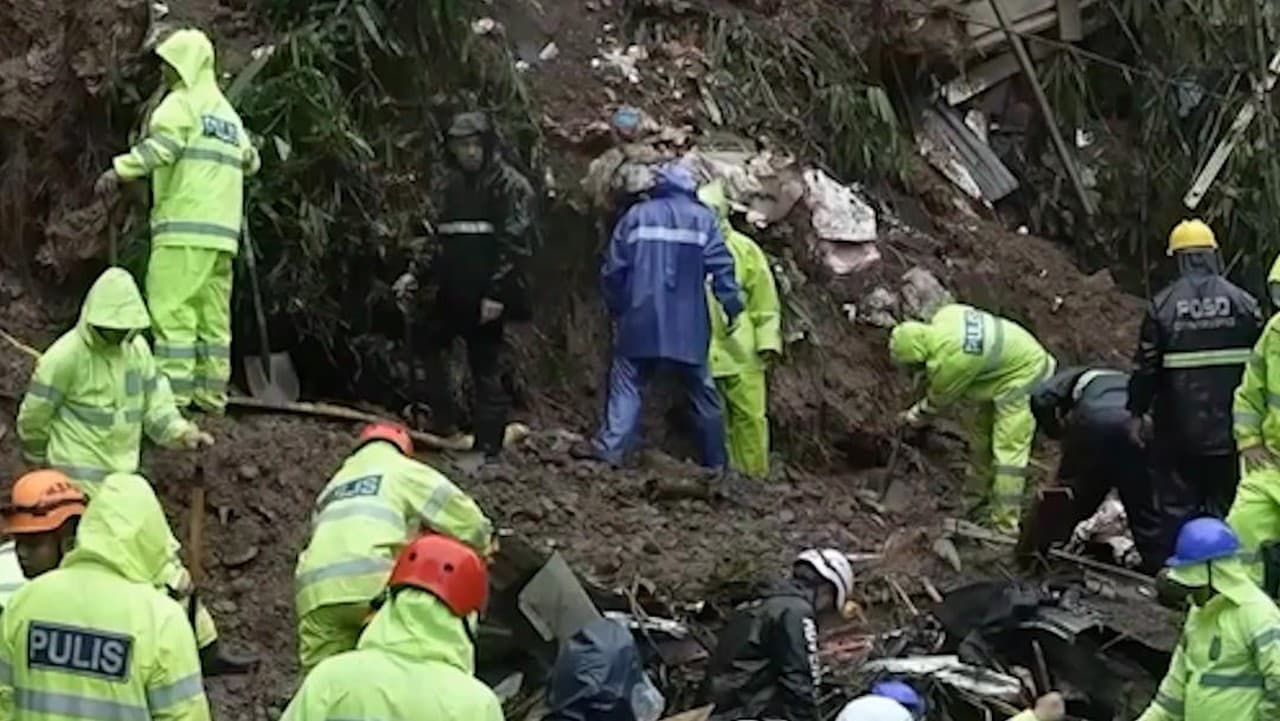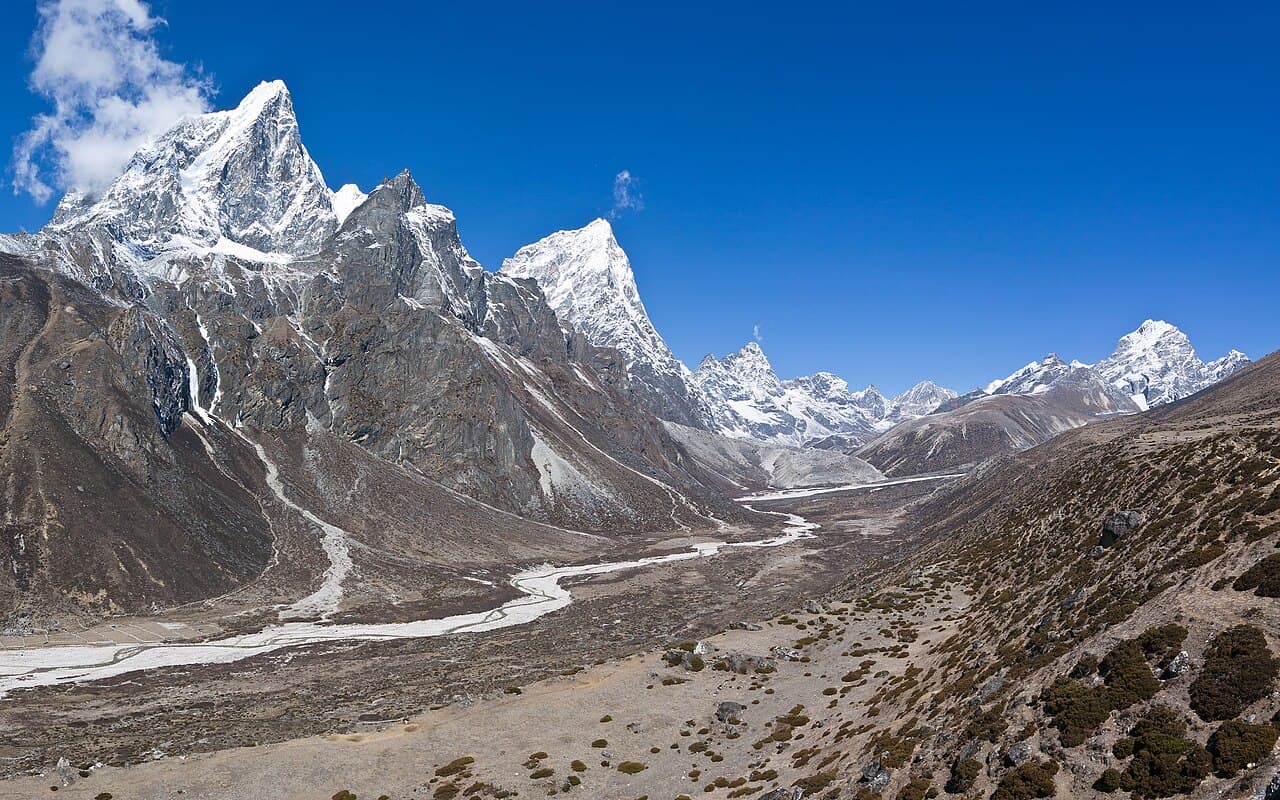
An avalanche-triggered flood along Nepal's Bhotekoshi and Trishuli rivers near the China border on August 26 destroyed roads, bridges, border facilities, and settlements in minutes. The Nepali government responded by deploying more than 20,000 security personnel from the Nepal Army, Nepal Police, and Armed Police Force—the largest such deployment since the 2015 earthquake.
A week after the disaster, 85 security force members remained unaccounted for: 45 from the Nepal Army, 28 from Nepal Police, and 13 from the Armed Police Force. Police personnel went missing while warning downstream communities; army personnel were stationed at Langtang National Park and hydropower projects; border posts were washed away. The avalanche gave security forces minimal time to respond, and the absence of an early warning system and cross-border communication protocols compounded the crisis.
Rescue operations centered on multiple hydropower tunnels where hundreds of workers were believed trapped beneath mud, debris, and floodwater. Prime Minister Balendra Shah told parliament on September 2 that tunnel clearing "requires specialized skills that none of the countries, including Nepal, have had" and that progress depended on weather conditions. He commended the security forces for their efforts under constraints, though footage of their rescue attempts highlighted the absence of advanced equipment and expertise.
The Nepali government sought international assistance from India, China, and South Korea for tunnel rescue operations and forensic work. Officials noted that the constitutional provision for deploying the military in national crises and the 2016 National Security Policy's recognition of climate change as a national security concern had enabled the rapid mobilization. Yet the operation exposed significant preparedness deficits.
The International Center for Integrated Mountain Development has identified dozens of potentially dangerous glacier lakes in the Hindu Kush Himalayan region, suggesting that such disasters may become more frequent rather than exceptional. Experts noted that climate-driven disasters are reshaping the operational environment of Nepal's military, raising questions about how the institution will adapt to increasingly severe environmental crises.