Hindou Oumarou Ibrahim, president of the Association for Indigenous Women and Peoples of Chad and a former chair of the UN Permanent Forum on Indigenous Issues, said AI governance in Africa has overlooked critical concerns about environmental protection and Indigenous rights. Speaking after the UN's first-ever Global Dialogue on AI Governance in Geneva in July, Ibrahim told Dialogue Earth that African governments should embed biodiversity protection, land rights and collective data safeguards into their national AI strategies.
Current AI governance debates have been dominated by concerns about safety, economic competition and employment, Ibrahim said, but have largely ignored how AI expansion affects environments, water and biodiversity. She noted that the associated infrastructure—data centres and mineral supply chains—requires energy, water and land, while AI systems may collect and reproduce cultural, linguistic and environmental knowledge without recognising that such information is often held collectively by communities rather than individuals. Conventional data protection frameworks, she said, focus on individual privacy and are poorly equipped to protect collectively held information.
Ibrahim said African governments should require environmental and social impact assessments for AI infrastructure to protect water and land from unsustainable data centre development. She also called for Indigenous peoples to be formal participants in AI governance decisions, particularly when policies or infrastructure projects affect their land, knowledge or cultural heritage. Ibrahim said this participation must respect free, prior and informed consent and treat Indigenous peoples as decision-makers and rights holders, not merely as consultation partners.
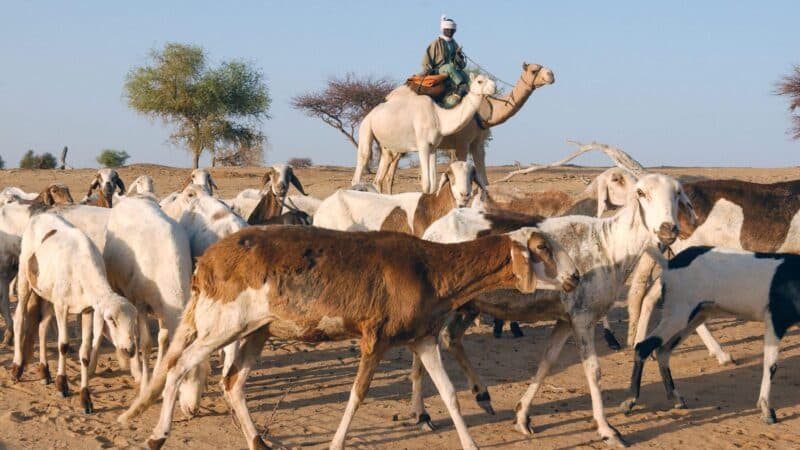
Ibrahim cited a positive example in Chad, where participatory mapping, satellite data and predictive AI tools have helped anticipate drought and protect herders' migration routes. She said Africa should invest in community-controlled AI capacity, including local research institutions, Indigenous peoples' innovation centres and technologies designed for African and community needs. Without such protections, Ibrahim said, AI governance cannot be described as responsible if it does not safeguard the ecosystems and cultures on which communities depend.