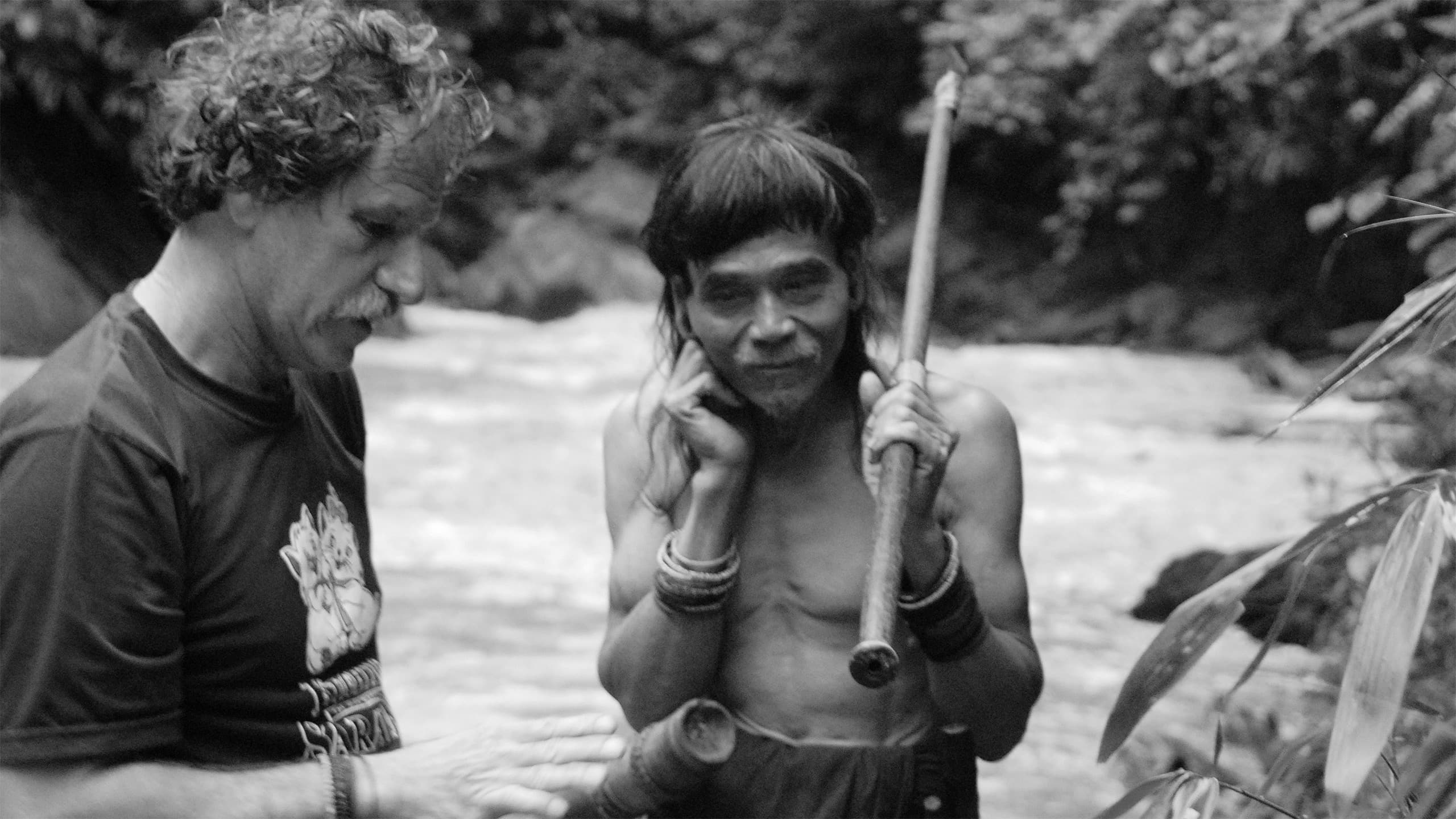
Pete Brosius, an anthropologist who conducted research with the Penan people of Sarawak for four decades, died on July 29th at age 72. His work helped establish legal recognition for Penan customary land rights in the Malaysian state, challenging both government claims and international environmental narratives.
Brosius arrived in Sarawak before logging conflicts in the Upper Baram region drew international attention in the early 1990s, when Penan families built barricades against timber operations. His research found that Penan communities responded differently to logging—some mounted blockades while others negotiated for compensation and employment. Brosius argued that these varied responses reflected distinct local histories and relationships rather than external manipulation, a position that put him at odds with both the Sarawak government and some environmental campaigners.
Through academic work, Brosius documented how international campaigns simplified complex local disputes over land and political power into narratives designed for Western audiences. He argued that portraying Indigenous people as living outside markets or modern politics could undermine their legal claims.
For decades, Brosius compiled detailed documentation of Penan land use, including genealogies, maps, and family migration histories. He focused on molong, a practice in which Penan families managed specific stands of wild sago, fruit trees, and boat timber across generations, harvesting mature growth while allowing younger shoots to regenerate. When Brosius testified as an expert witness in a 2012 Native Customary Rights case involving the community of Long Jaik, the court accepted that molong represented an active, structured system of historical stewardship, establishing a legal precedent for Penan customary land claims.
Even with the legal breakthrough, customary land claims across Sarawak's interior remained contested, as most primary forests had been degraded by logging, cleared for plantations, or flooded by dams. In the summer before his death, Brosius returned to Sarawak to map ancestral areas alongside Penan families.