Countries worldwide are preparing for what modeling increasingly suggests will be the strongest El Niño ever recorded, with forecasts indicating the 2026-2027 event could break past records significantly. The World Health Organization, World Meteorological Organization and World Food Programme are urging nations to ready themselves for extreme weather and effects on health, food and energy systems.
Some nations have already begun preparations. Brazil hired record numbers of firefighters to combat expected Amazon blazes. Peru, which suffered severe rains, floods and landslides in previous El Niños, declared a state of emergency across 40 percent of its territory. Sri Lanka arranged water deliveries to nearly 72,000 people in seven districts threatened by drought, while India is preparing 300 drought-vulnerable districts with agricultural contingency plans and enhanced irrigation. The African Union called on member states to establish early-warning systems.
Many countries lack adequate preparation, however. The World Food Programme issued a $202 million El Niño Joint Anticipatory Action Appeal to assist 22 high-risk nations. According to a WHO-WMO health advisor, lessons from previous strong El Niños have not been sufficiently absorbed, as evidenced by illnesses and deaths in recent events. A marine biologist at Germany's Alfred Wegener Institute said El Niño "is contributing to climate variability and climate extremes, and this makes human existence and performance on this planet more unsafe."
Since the 1980s, three so-called "Super" El Niños occurred in 1982-83, 1997-98 and 2015-16, each supercharging weather systems with heatwaves, intense drought and precipitation, flooding and wildfires. An event qualifies as very strong when sea surface temperature anomalies in the Central Pacific Ocean exceed 2 degrees Celsius above the long-term average—a threshold reached in mid-July. Modeling from August 13 indicated a 90 percent chance this year's El Niño will be very strong, with a 69 percent probability it will exceed all historical records.
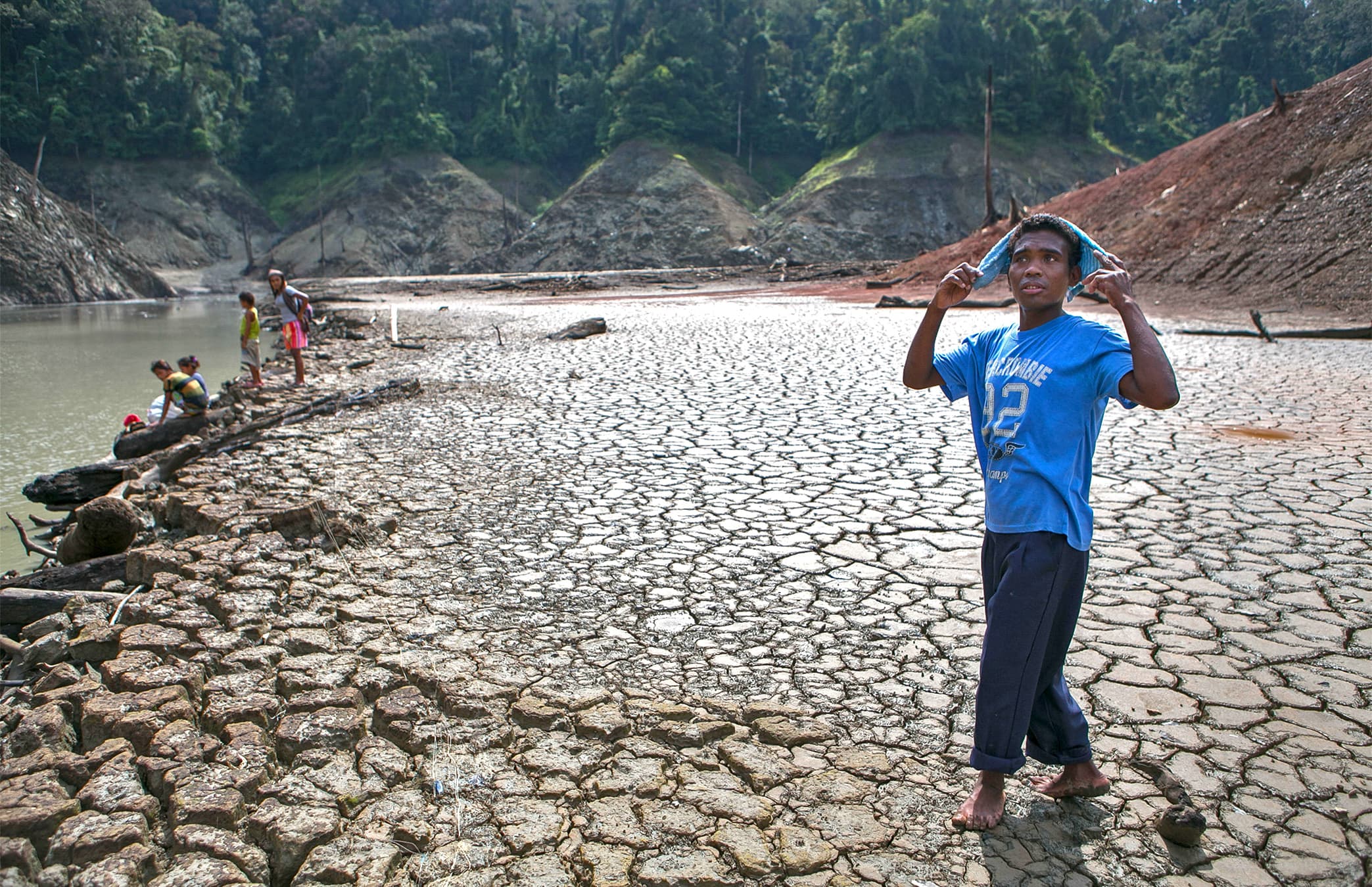
Early impacts already include Southeast Asian drought delaying rice harvests, delayed monsoon arrival in parts of India, drought threatening Panama Canal passage, and suppressed rainfall in Kenya and Ethiopia. The 1877-1878 El Niño, one of the strongest known before formal record-keeping, triggered a catastrophic drought famine across Asia, Africa and South America that an estimated 50 million people died from. Unlike that unprepared world, modern forecasting has provided warnings since May of a possible strong event.
The UN World Food Programme warned the 2026-27 event could push an additional 49 million people into acute food insecurity across 45 nations, with southern Africa and Central America facing the hardest impacts. The 2015-16 El Niño affected around 60 million people already experiencing food insecurity, with eastern and southern Africa experiencing prolonged drought that devastated crops and killed livestock. That drought reduced hydropower output in Malawi, Zimbabwe and Zambia, creating national crises in multiple countries.