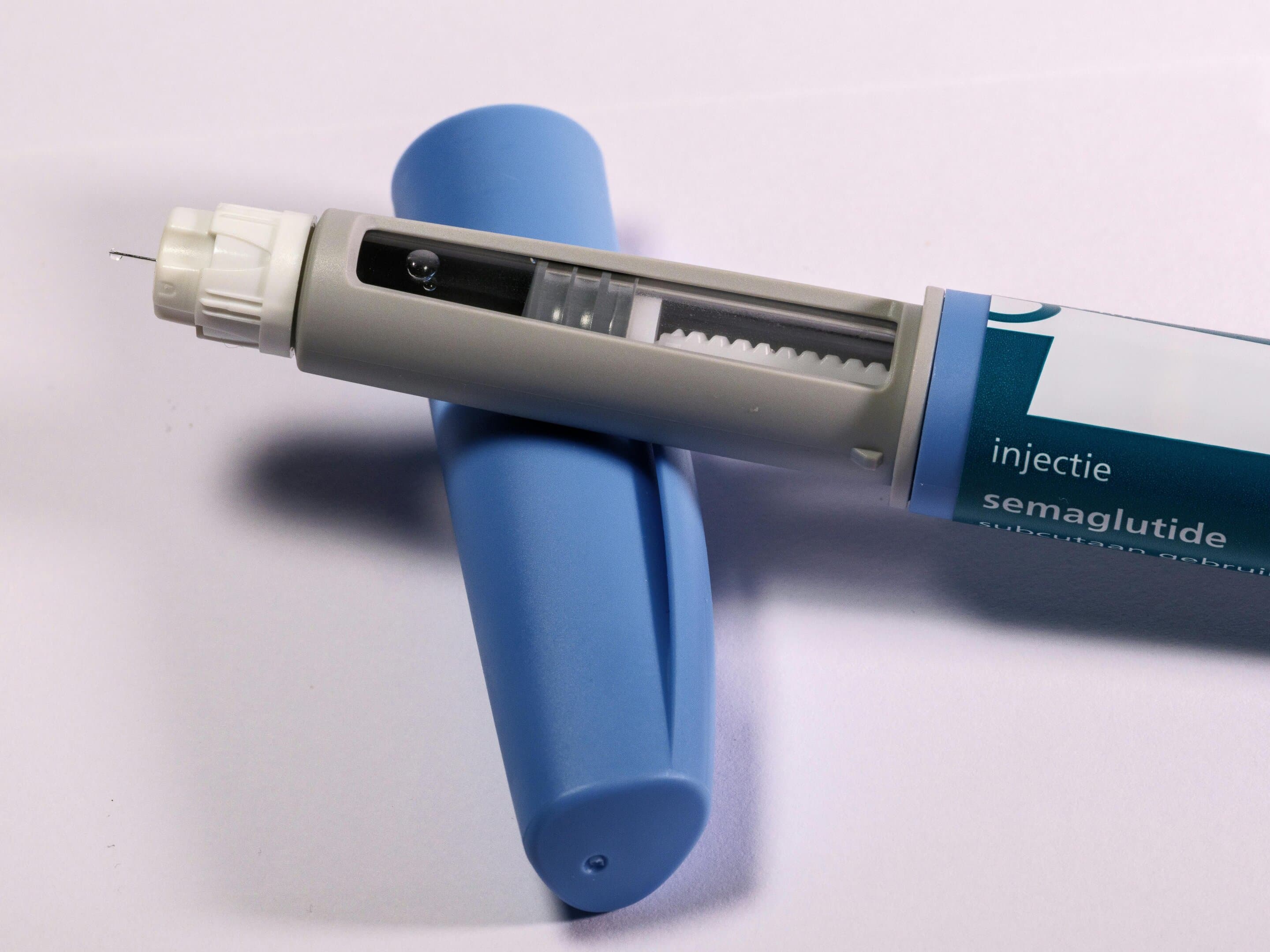
Glucagon-like peptide 1 receptor agonists, commonly used to treat diabetes and weight loss, may offer benefits for people with bipolar disorder, according to research from Griffith University. The findings, published in Acta Psychiatrica Scandinavica, analyzed data from a large Swedish study of nearly 15,000 people with bipolar disorder prescribed GLP-1 medications over 15 years.
People taking semaglutide, a type of GLP-1 medication also known as Ozempic or Wegovy, had significantly lower rates of psychiatric hospitalization compared with periods when they were not taking the medications, Professor Mark Taylor from Griffith's School of Medicine and Dentistry said. Semaglutide was associated with a 21 percent lower risk of psychiatric hospitalization.
The study suggested GLP-1 signaling may protect the brain by reducing inflammation and cellular stress, biological processes that have been linked to bipolar disorder. The mechanism could potentially improve mood stability and reduce relapse risk, researchers said.
However, the effect did not apply uniformly across all GLP-1 medications. While semaglutide showed the reduced hospitalization risk, liraglutide and dulaglutide were not associated with the same benefit. Taylor said the findings should be tested further in a randomized controlled trial.