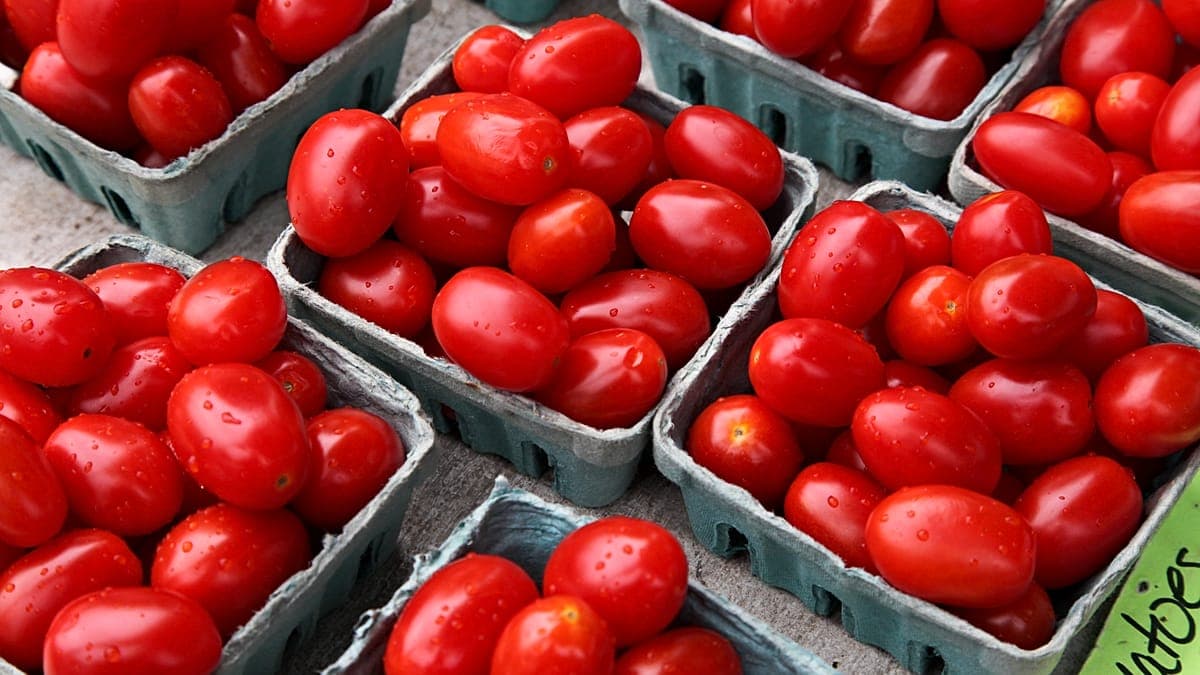
A study conducted by researchers from Tufts University in America found that "lycopene" — a natural compound that helps plants produce red pigment — may be an effective tool in reducing fatty liver disease. This compound is found in various foods, including tomatoes, carrots, red peppers, pink grapefruit, watermelon, and apricots.
The researchers said that lycopene could be used in the future as a simple dietary means to help prevent a disease that affects millions of people around the world. Fatty liver disease is a condition in which fat accumulates inside liver cells. Although it does not cause clear symptoms in the early stages, the disease can cause liver inflammation and tissue damage, and in advanced cases can develop into cirrhosis.
Fatty liver disease is a common health condition, affecting up to 38 per cent of adults in the United States, while this figure rises to around 75 per cent among people suffering from obesity or diabetes. The research team at Tufts University conducted an experiment on mice, dividing them into two groups, and fed them an unhealthy diet rich in sugar and refined carbohydrates for six months to mimic eating patterns that cause fatty liver disease in humans.
The first group received, alongside this diet, a daily dose of lycopene equivalent to the amount obtained by humans from consuming three to four medium-sized tomatoes each day. After the experiment ended, mice that received the substance were found to have milder fatty liver disease compared with the other group that ate the same diet without the addition of lycopene.
When researchers examined the livers of mice that received lycopene, they found that the substance helped activate a protein that prompts the liver to burn fat for energy, rather than store it. Dr Xiang Dong Wang, lead researcher at Tufts University and lead author of the study, said that if future research confirms these results, encouraging people to eat more fruits and vegetables rich in lycopene may be a useful strategy to help prevent fatty liver disease or slow its progression in people most at risk of the disease.
Researcher Na Youn Lee, lead author of the study, explained that tomatoes and their products contain large amounts of lycopene and lycopene, another plant compound known to give tomatoes their red colour. Although the results are promising, the study warns against hasty conclusions, as it has not been proven that simply eating tomatoes is sufficient to prevent or treat fatty liver disease. The researchers also do not recommend relying on a single food source to obtain lycopene, but instead emphasise the importance of diversity in diet, by including a variety of fruits and vegetables, to ensure integrated benefits that support overall health.