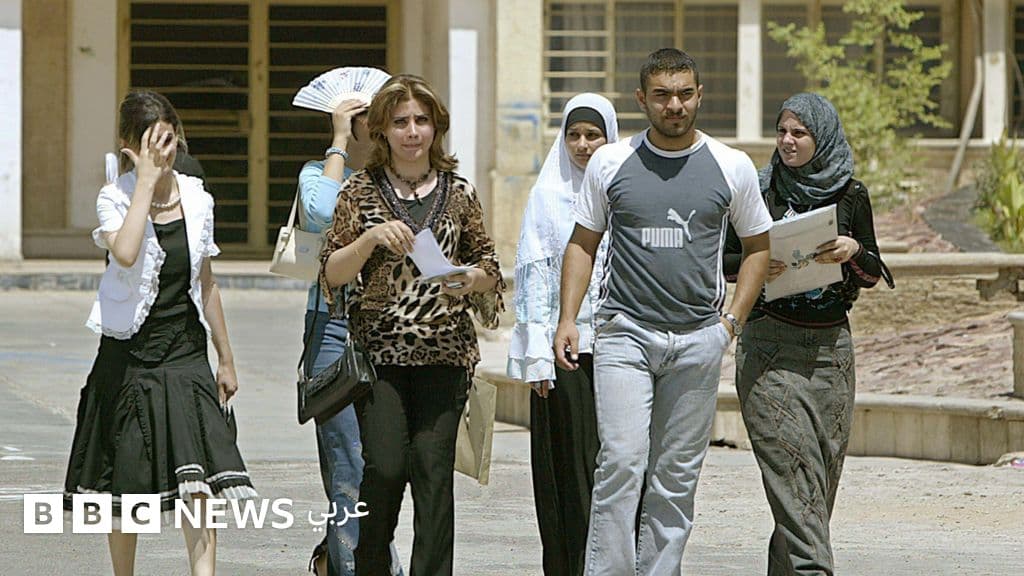
The United Nations and the world observe International Youth Day on Wednesday, 12 August, as an opportunity to raise awareness of the challenges facing young people, while highlighting their innovative ideas and positive impact on society. According to the international organisation, the day promotes the importance of empowering youth to play an active role in their communities and encourages them to voice their views and participate in shaping a better future.
This year's International Youth Day celebration takes place under the theme "Empowering Youth for a Sustainable Future", designed to highlight the role of youth in driving sustainable development and promoting environmental governance. The celebration is taking place in more than 150 countries with various events ranging from youth conferences and workshops to cultural performances and community projects.
Youth in the Arab region represent a very large segment of society, reaching around 32 per cent of the total population. More than 100 million young people aged 15 to 29 live in the region, while those aged 10 to 24 represent around 28 per cent of the total population of the region exceeding 460 million, according to the "State of World Population 2023" report issued by the United Nations Population Fund.
The challenges facing youth in the Arab region are diverse and complex, ranging from broad aspirations for innovation and progress to structural challenges that include high unemployment rates, difficulties in effective participation in decision-making, and the pursuit of economic and psychological stability in a changing environment. Youth unemployment rates in the Arab region are among the highest in the world, particularly among university graduates, which hampers economic stability and the ability to achieve financial independence.
According to estimates by the World Bank and Arab Monetary Fund, youth unemployment rates in the Arab world range between 25 and 28 per cent, with millions of young people in the region facing major difficulties in finding stable employment. Although various Arab countries have made efforts to reduce this problem, there has been no clear effect, possibly due to weak economic growth, inadequate investment in creating new jobs, excessive public sector expansion, and the private sector's inability to absorb the growing number of graduates.
The gap between the outcomes of traditional education in many Arab countries and the needs of the modern labour market, digital transformation requirements, and artificial intelligence has narrowed opportunities for meaningful youth participation in the decision-making process and formulation of public policy. Various Arab countries such as Saudi Arabia, the United Arab Emirates, and Egypt have launched important educational initiatives to transform traditional teaching methods and incorporate artificial intelligence studies and training into the curricula of educational institutions and universities, with the aim of bringing young graduate profiles closer to the new labour market.
However, experts argue that this may take time before such initiatives bear fruit. Political authorities in most Arab countries play a fundamental role in limiting youth potential and creative capabilities, and in the absence of true democracy, youth empowerment in formulating state policy and contributing creatively is absent. Beyond the non-democratic climate that stifles youth, they also face other barriers related to ideological rigidity, misguided religious understanding, and criminalisation of critical thinking that may contribute to initiatives to improve the situation of Arab youth.
Despite facing a number of challenges related to the condition of Arab youth, the situation is not entirely grim. Various Arab countries are developing initiatives to empower Arab youth and integrate them into development processes, making them key partners in shaping the future. Saudi Arabia has focused on youth in "Vision 2030" with initiatives such as the "Drub" programme to enhance national workforce skills, while programmes such as "Tourism Leaders" and "Tourism Scholarships" aim to empower youth in new sectors.
In the United Arab Emirates, the government provides digital services designed to empower and support youth, including higher education, scholarships, professional training, and supporting Arab youth entrepreneurship through innovation centres. In Egypt, various initiatives have been launched to train and prepare youth in the fields of technology and leadership, such as intensive and specialised diploma programmes and workshops promoting economic empowerment and community integration, with many similar initiatives in other Arab countries awaiting further steps towards democracy and greater participation in decision-making to further integrate the youth sector.