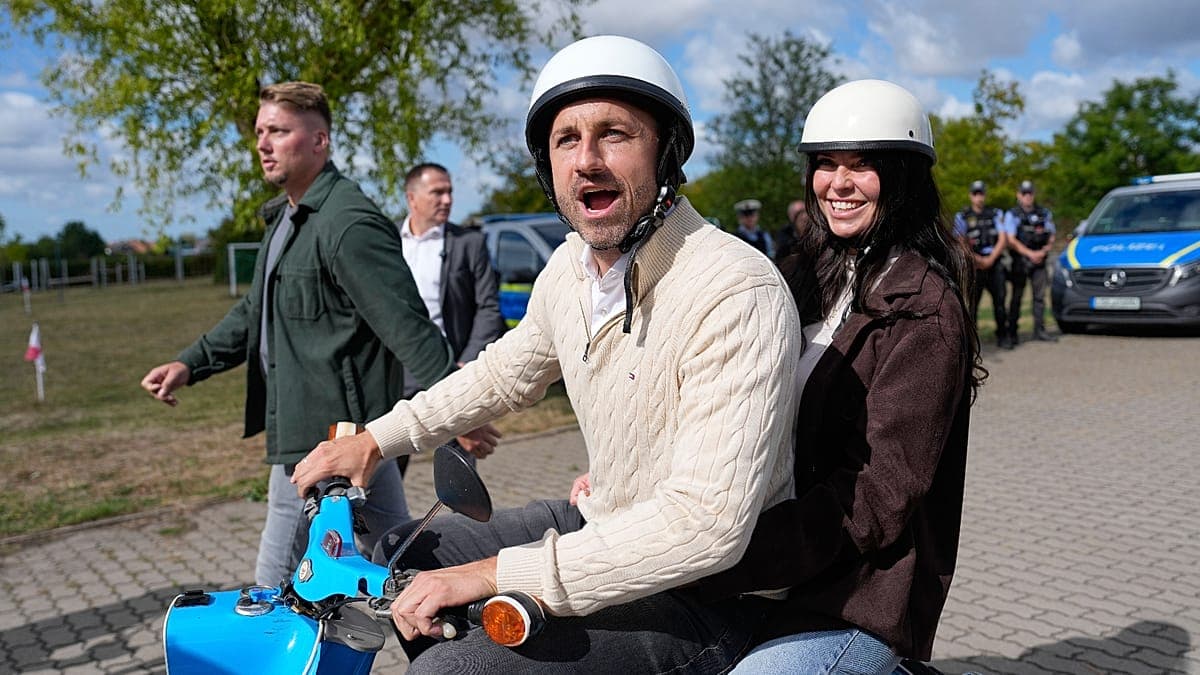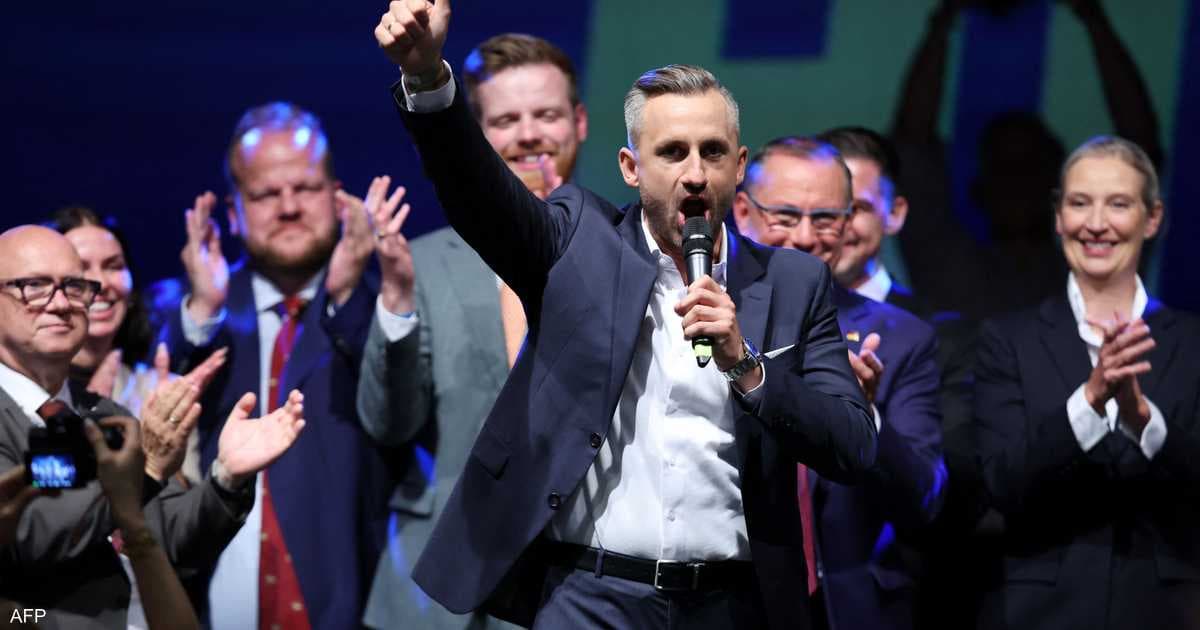
Ulrich Ziegmund, the lead candidate of the Alternative for Germany (AfD) in Saxony, said that "we have made history in this state". Voter turnout reached 77 per cent according to public broadcaster ZDF.
Ziegmund drew thousands of participants to his campaign rallies and repeatedly framed victory in the state as a first step towards federal power in elections scheduled for 2029. The result reflects declining popularity of Germany's ruling coalition and the rising fortunes of hardline parties in a fragmented political landscape.
The result is a major blow to Chancellor Friedrich Merz, whose approval ratings have plummeted to very low levels as voters reject his plans to revive Germany's stagnating economy and due to repeated communication failures. A poll conducted by public broadcaster ARD showed that 87 per cent of voters in the state expressed dissatisfaction with the federal government.
Ziegmund described Merz as the best campaigner the AfD could hope for, given his unpopularity in the state. Marcel Fratzscher, head of the German Institute for Economic Research, told Reuters: "The election result is above all a vote of no confidence in the federal government".
US President Donald Trump posted a screenshot of the results without comment on his Truth Social platform, whilst leaders of far-right movements in other European countries hailed the election as a mandate for change.
All major parties have refused to work with the AfD, which has been classified by Germany's domestic intelligence agency as a far-right extremist group. However, the AfD could find partners in the far-left BSW party if it manages to clear the threshold to enter parliament.
Although Saxony, once part of communist East Germany, is one of Germany's smallest states with a population of just over two million, the result confirms the rapid progress the party has made since its founding in 2013. The AfD is now the most popular party nationally with 28 per cent support according to the latest Insa poll, comfortably ahead of the conservatives on 20 per cent.
The party is hugely popular in eastern Germany but also won around 20 per cent of the vote in Baden-Württemberg and Rhineland-Palatinate in the west earlier this year, highlighting the party's growing appeal across the country. Far-right parties have made gains in other European countries, but Germany's Nazi legacy has contributed to the reluctance of major parties to work with the AfD, which rejects accusations of extremism as an attempt to intimidate and insult millions of its supporters.
During the campaign, the party capitalised on growing disillusionment with traditional parties, which it portrayed as tired and out of touch with the reality of citizens, instead offering a range of hardline policies and a vision that evoked nostalgia for cleaner, safer streets and pride in German identity. The party's platform includes plans to steer schools and cultural institutions towards more traditional values, restrict migration, and overhaul public broadcasting, and wants to teach refugee children in separate classrooms.