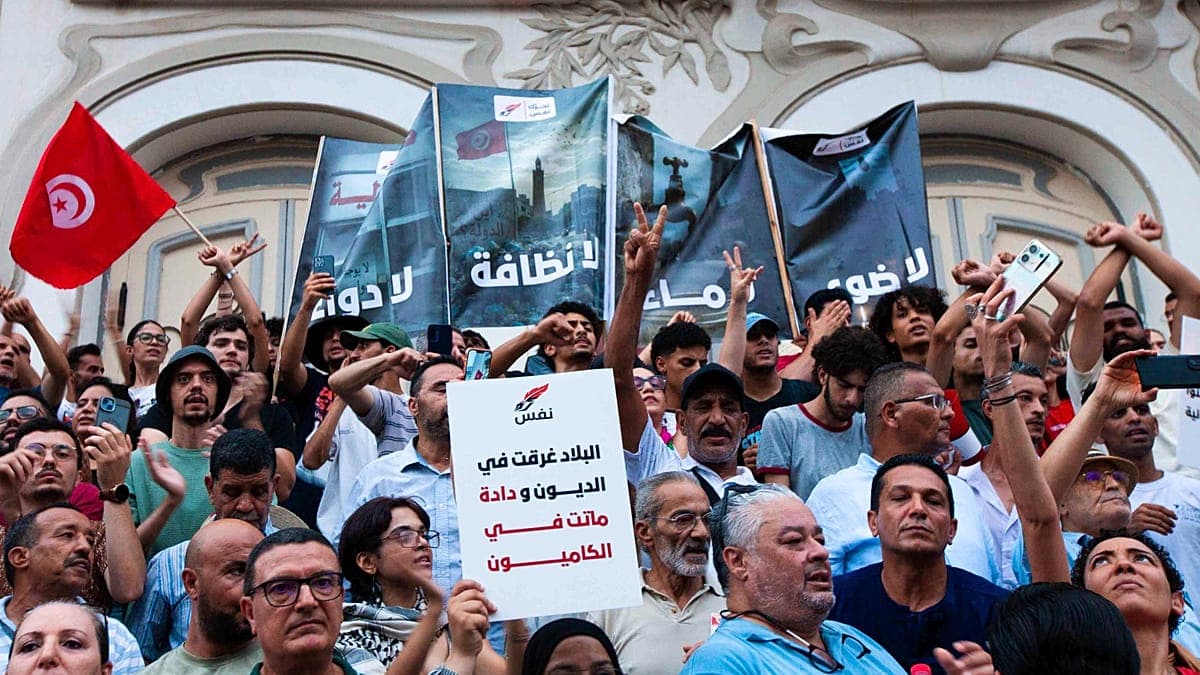
The "state security conspiracy 1" case has come under scrutiny again after Tunisia's Supreme Court decided to uphold convictions against a number of opposition figures, politicians, activists, journalists and human rights defenders.
The European Union expressed "concern" on Sunday, 6 September 2026, over the Supreme Court decision issued on 3 September 2026 and rejected an appeal by the defence team, upholding the appellate court's verdict in the case. The European Union said the ruling involved dozens of political figures, activists, human rights defenders and journalists.
The European Union pointed out that "a number of questions remain" regarding full compliance with fair trial guarantees, and reiterated the importance of respecting human rights, including freedom of expression and the right to a fair trial. In its statement, the European Union specifically objected to the use of communications between the defendants and diplomats accredited to Tunisia, including European diplomats, as a basis for accusation or as evidence against the defendants.
While criticizing the court proceedings, the European Union affirmed its ongoing commitment to partnership with Tunisia, stating it would continue to support the Tunisian people in efforts to strengthen democratic institutions and promote human rights. The European Union called on Tunisian authorities to "create conditions necessary for pluralism" and empower independent voices to participate in the country's development.
The Supreme Court rejected an appeal filed by the defence team of the defendants on Thursday, 3 September 2026, thereby upholding the verdict handed down by the appellate court. The case involves more than 40 people, including opposition political figures, businesspeople and others, since arrests began in February 2023.
The charges brought by prosecutors against the defendants include "conspiracy against state security at home and abroad, formation and membership in a terrorist group linked to terrorist offences, as well as attacks intended to change the form of government or set the population against each other with weapons, causing chaos and murder, and theft linked to terrorism and harming food security and the environment," according to judicial sources.
Amnesty International condemned the Supreme Court decision, calling it "entrenching a dangerous path of using the judicial system to target peaceful opponents and critics and silence dissenting voices." A number of Tunisian and international human rights organisations and Tunisian political parties consider "the verdict in the conspiracy 1 case to be arbitrary, with charges lacking evidence for conviction," and stated that "false allegations are designed to eliminate political opposition in the country and legitimise peaceful political activity." Calls for the release of the defendants subsequently increased.
The "state security conspiracy" case is one of the most prominent and most controversial judicial proceedings in Tunisia. The case began in February 2023, when a brief announcement stated that a group of people "intended to conspire against state security," according to authorities' statement. According to criticism of the case, it is based on anonymous testimony, while Tunisian authorities deny allegations of political abuse of the judiciary.
The background to the case is related to political changes in Tunisia since 25 July 2021, when President Kais Saied took extraordinary measures including dissolving parliament, before implementing a new constitution through a popular referendum the following year, followed by legislative elections. Since then, Saied has emphasized judicial independence on several occasions and denied intervening in the work of courts or abusing judicial institutions to pursue political opponents.
Conversely, Tunisia's opposition political forces, including the Islamist movement Ennahda, view the President's actions as "strengthening absolute authoritarian power," while others view it as a "course correction of the 2011 revolution" that overthrew former President Zine El Abidine Ben Ali. The latest arrest in Tunisia was journalist Mohamed Al-Yousfi, known for his criticism of President Kais Saied, on charges of alleged "illicit enrichment" and "money laundering."
A number of journalists have previously been imprisoned, including Ziad Al-Hani, Murad Al-Zughidi and Burhan Bissis, while journalist Khawla Boukriem received an in absentia prison sentence last June. The journalists' union and the "Freedom Observatory" organisation condemned the financial cases against journalists and activists, viewing the frequency of these prosecutions, whether related to expression cases or financial files, as reflecting a worrying trend consisting of an accumulation of judicial proceedings against media workers and activists. Both organisations view this accumulation of cases as potentially prolonging detention and draining those involved legally and professionally, in addition to affecting the climate of press freedom, opinion and expression in Tunisia.