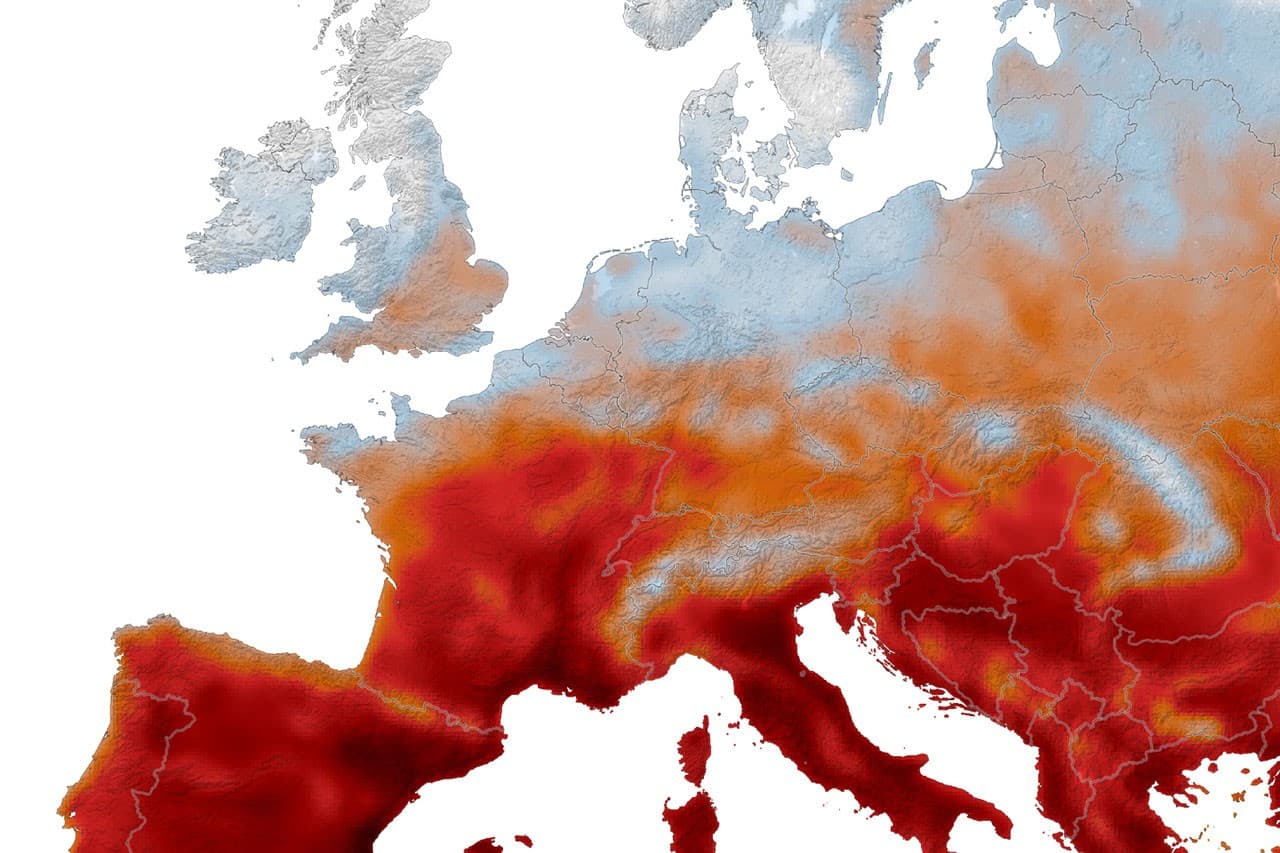
Western Europe endured an exceptional heat wave season in 2026, with temperatures soaring to record levels from May through August. The first heat dome struck in May, shattering temperature records in multiple countries, followed by four more severe events that by mid-August brought the fifth major heat wave of the season.
Temperatures repeatedly climbed well above 40 degrees Celsius (104 degrees Fahrenheit) across broad areas, often persisting for days or weeks and remaining elevated overnight. According to the UK Met Office, temperatures reached 35.1°C (95.2°F) in London on May 26, exceeding the previous May record by 2.3°C (4.1°F). Bordeaux, France, broke its maximum-temperature record on three consecutive days in June, hitting 42.5°C on June 24, Météo-France reported. Slovakia set new national records for both daytime and nighttime highs in August, and combined June and July temperatures in Western Europe were the highest on record, according to Europe's Copernicus climate monitoring service.
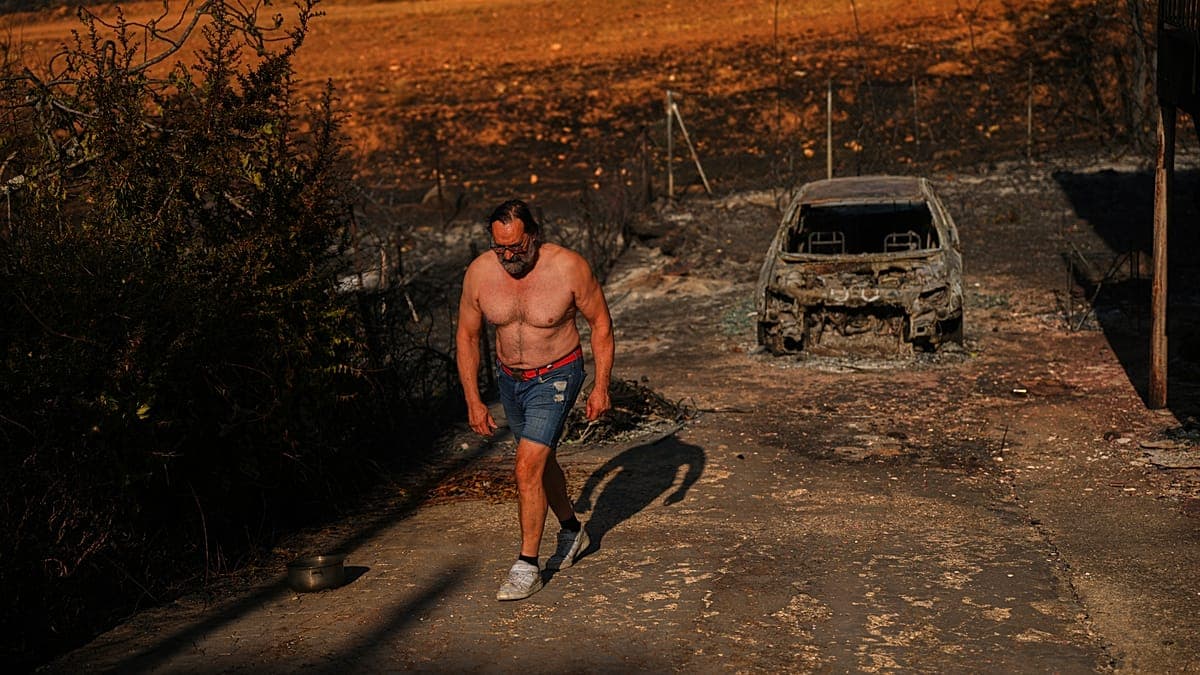
The extreme heat created cascading disruptions across the region. Hospitalizations and heat-related deaths spiked, with preliminary reports suggesting heat may have been associated with 10,000 excess deaths, including thousands in the UK, France, Germany, and Belgium. Highways and train tracks buckled, forcing closures and service disruptions. Large wildfires raged in areas where they were rarely seen, while the heat worsened an existing severe drought that brought record-low river water levels and disrupted water and power supplies, transportation, and agriculture.
Experts attributed the high death toll partly to European vulnerabilities including limited air conditioning access, high nighttime temperatures, and insufficient green space in some cities. International Energy Agency data show that 23 percent of homes in Europe have air conditioning, compared to 90 percent in the United States. According to a World Health Organization analysis, heat stress is the world's leading cause of weather-related deaths, with roughly 489,000 heat-related deaths occurring annually worldwide. Researchers have identified Southern Europe as facing growing heat exposure combined with an aging population at particular risk.
Experts said cities could build resilience through longer-term measures such as planting trees, expanding parks, using reflective roof paint, and transitioning to heat-resistant building materials. Research published in Lancet Planetary Health in August 2026 concluded that safe temperature thresholds will be breached often and widely in coming decades, with risks falling disproportionately on older people.