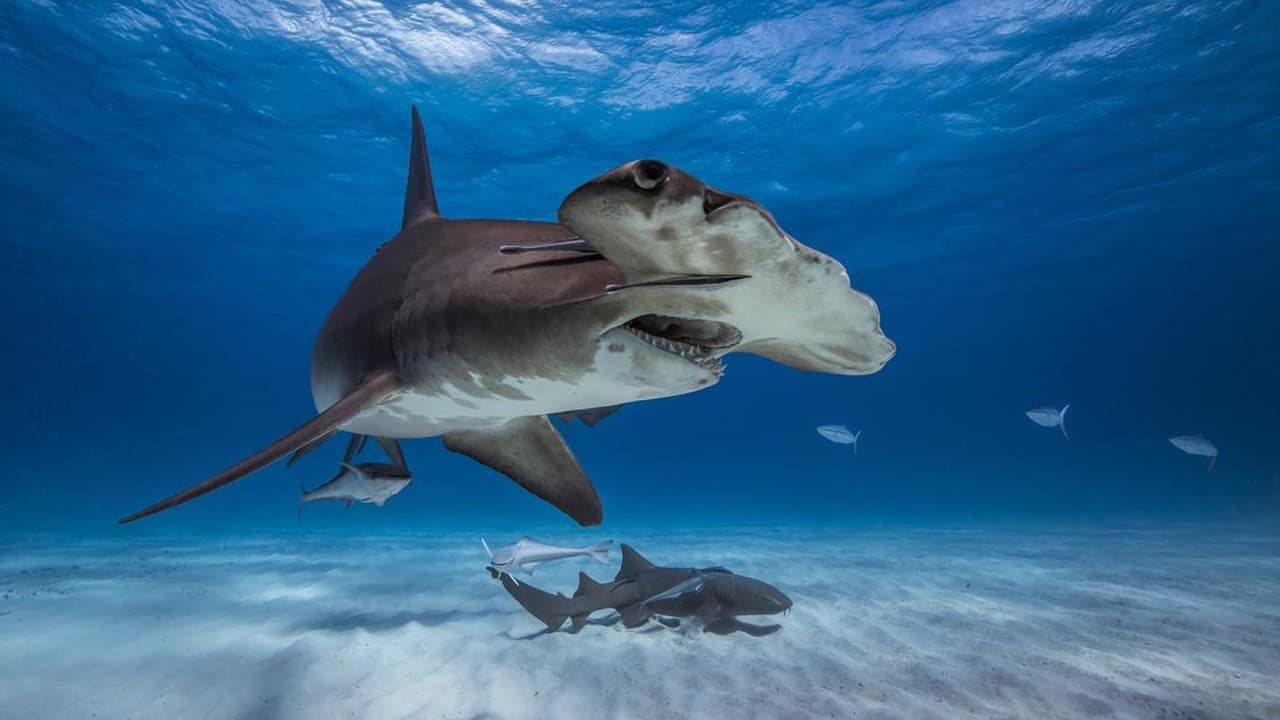
Researchers from the University of Delaware have begun outfitting sharks with specialized sensors to measure ocean conditions in real-time. The initiative is designed to improve the accuracy of storm predictions before hurricanes strike the eastern coast of the United States.
Researchers attach devices called CTD tags to the dorsal fin of sharks. These devices record the electrical conductivity of water to measure salinity levels, temperature, and sea depth as the shark dives, with data automatically transmitted to satellite networks each time the shark swims across the water's surface.
Aaron Carlisle, the lead researcher and professor at the School of Marine Science and Policy at the University of Delaware, said sharks are ideal candidates because of their abundant populations, wide distribution, and easier accessibility compared to protected marine mammals. The research focuses on measuring temperature in the ocean's upper layer, which is a primary determinant of storm intensity.
According to Carlisle, the warmer this mixed layer, the stronger the storm that forms, as the area stores heat that provides energy to the storm. The species of shark selected include shortfin mako sharks, blue sharks, smooth hammerhead sharks, and young great white sharks, because of their habit of frequently surfacing, allowing satellite data transmission to work smoothly.
The sensor attachment process begins in early May each year when sharks migrate closer to the coast and lasts less than five minutes. The devices are designed to corrode and detach on their own over time. The ocean data collected from shark bodies is expected to help sharpen weather predictions and improve the resilience of coastal communities from North Carolina to Massachusetts in facing hurricane threats.