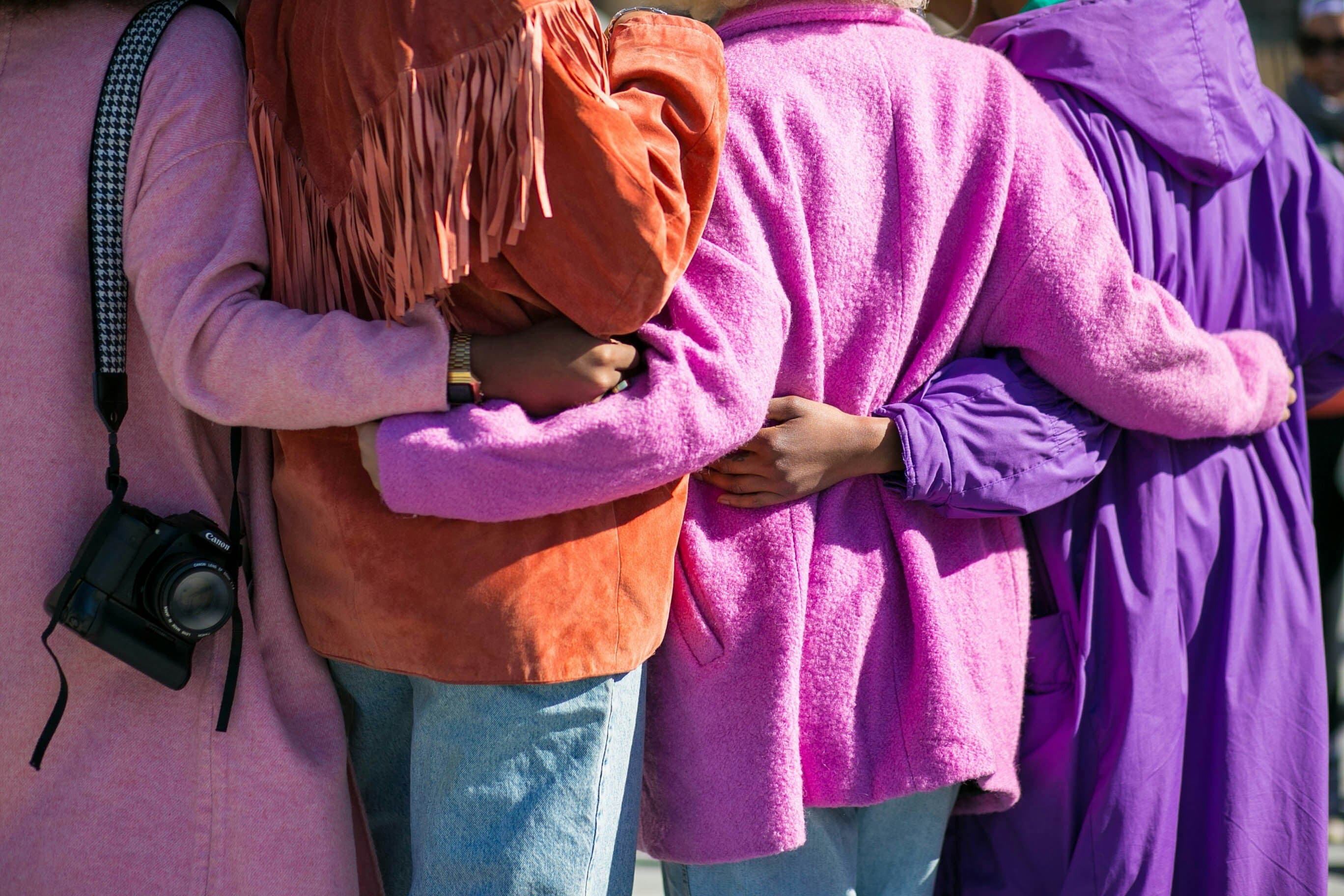
Wear It Purple Day invites students and staff at Australian high schools, universities and workplaces to wear purple clothing to recognize and celebrate gender and sexuality-diverse young people. The initiative began in 2010 to better support such youth in the face of widespread discrimination and bullying.
The proportion of young people identifying as gender or sexuality-diverse has grown steadily. About 9.5% of 16–24-year-olds identify as gender or sexuality-diverse, compared with 7.5% of 25–34-year-olds and 3.9% of 35–44-year-olds. Research suggests the proportion might be closer to 20% in the 18–24 age group.
Research shows discrimination can lead gender-diverse youth to feel shame, isolation and loneliness, significantly affecting mental health and increasing rates of self-harm and suicide. A 2021 national study found that gender-diverse young people overwhelmingly reported homophobic language was common at high school and that school staff did not proactively respond to discrimination.
A 2026 La Trobe University survey of more than 4,000 high school students ages 14 to 18 found just 23% reported learning about gender or sexuality diversity in their relationships and sexual health education at school. Earlier research surveying nearly 2,400 gender-diverse high school students showed fewer than 10% reported learning about gender and sexuality diversity within their health and physical education classes.
Australia lacks a standardized approach to including gender-diverse people and issues in school policies or curriculum, leading to differing approaches across states and individual schools. A 2021 nationally representative survey showed more than 80% of parents supported gender and sexuality diversity-inclusive relationships and sexual health education. A 2023 survey of more than 2,400 parents from religious and nonreligious schools showed most had positive attitudes toward such education, with support ranging from 62%–94% depending on school sector.
Research suggests a whole-school approach is needed, involving teaching about gender-diverse identities and issues, regular professional development for staff, and school policies that recognize and celebrate diversity. When such mechanisms are in place, research shows young people are more likely to feel comfortable sharing their identity with peers and experience less distress.