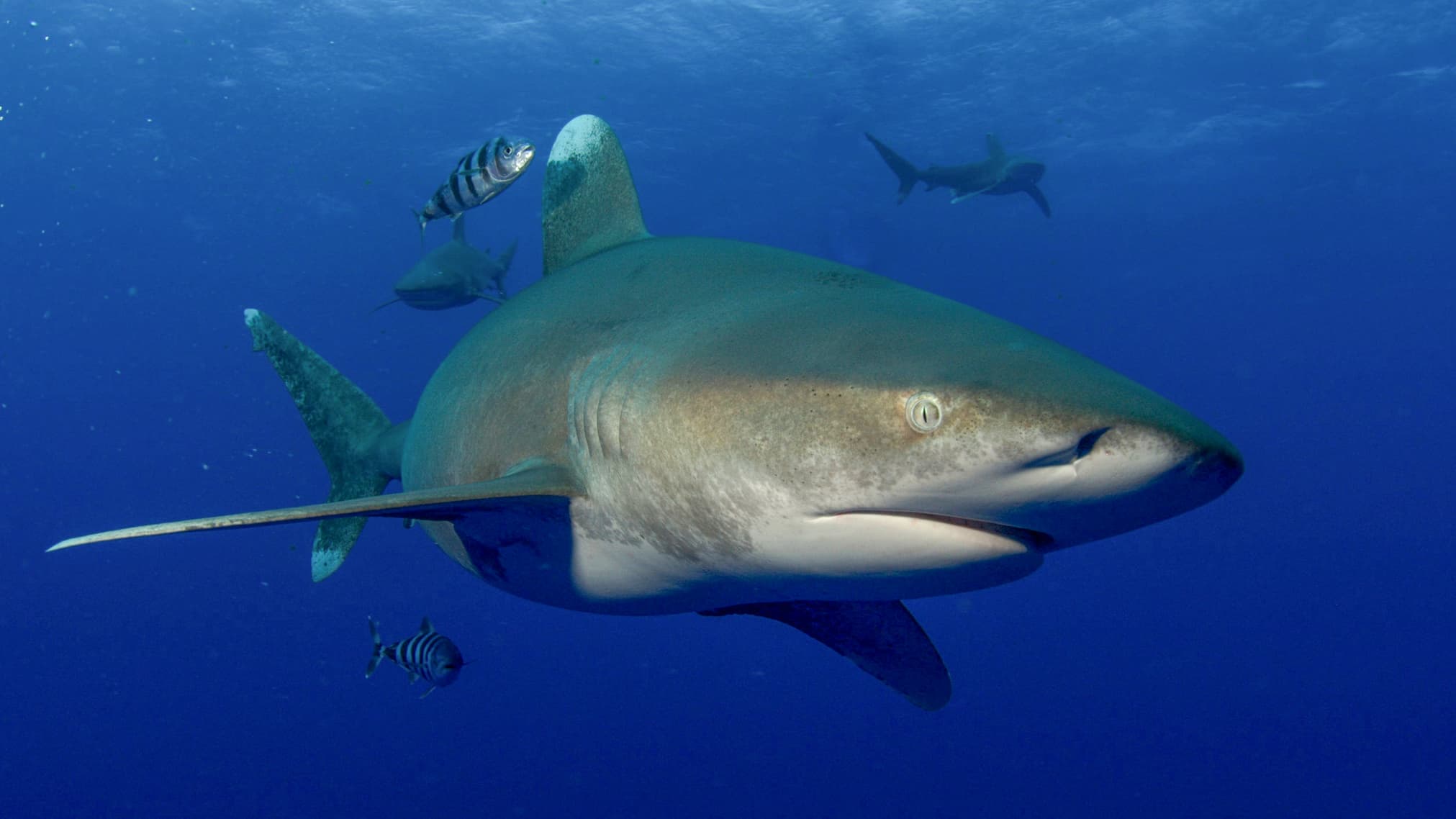
A study published in Conservation Letters in July found that most shark and ray species have less than 10% of their ranges covered by marine protected areas, with particularly severe gaps for threatened and critically endangered species. The research analyzed nearly 1,200 shark and ray species using data from the World Database of Protected Areas and the IUCN Red List of Threatened Species.
Among threatened sharks and rays, 79% have less than 1% of their ranges within no-take marine protected areas in national waters, the study found. For critically endangered sharks and rays, that figure rises to roughly 90%. The analysis also revealed major gaps in reporting on fishing and harvesting restrictions within these reserves, making it difficult to assess their true effectiveness.
In 2022, 196 countries agreed to the "30×30" conservation goal as part of the Kunming-Montreal Global Biodiversity Framework, aiming to set aside 30% of the planet's coastal and marine areas for conservation by 2030. Currently, only about 10% of the ocean is covered by protected areas. Amanda Arnold, lead author of the study and a marine biodiversity researcher at Simon Fraser University, said that "simply increasing the amount of protected ocean doesn't necessarily mean we're actually protecting those threatened species."
Arnold noted that international agreements like 30×30 can lead to marine protected areas being located in politically or economically convenient areas rather than in places valuable for biodiversity. She added that roughly a third of countries with marine reserves report take-status information, making it difficult to evaluate how effective these reserves truly are. Sharks and rays reproduce slowly and are highly susceptible to overfishing and accidental bycatch.
The study's authors recommended including biodiversity targets as part of the 30×30 framework and encouraging policymakers to align marine protected areas with important shark and ray habitats. However, some researchers cautioned that the benefits of blanket marine protected areas for mobile species such as sharks and rays remain uncertain. Experts agreed that marine protected areas are one tool among many needed for shark and ray conservation, including fisheries management, regulations, enforcement, and technology to reduce bycatch.