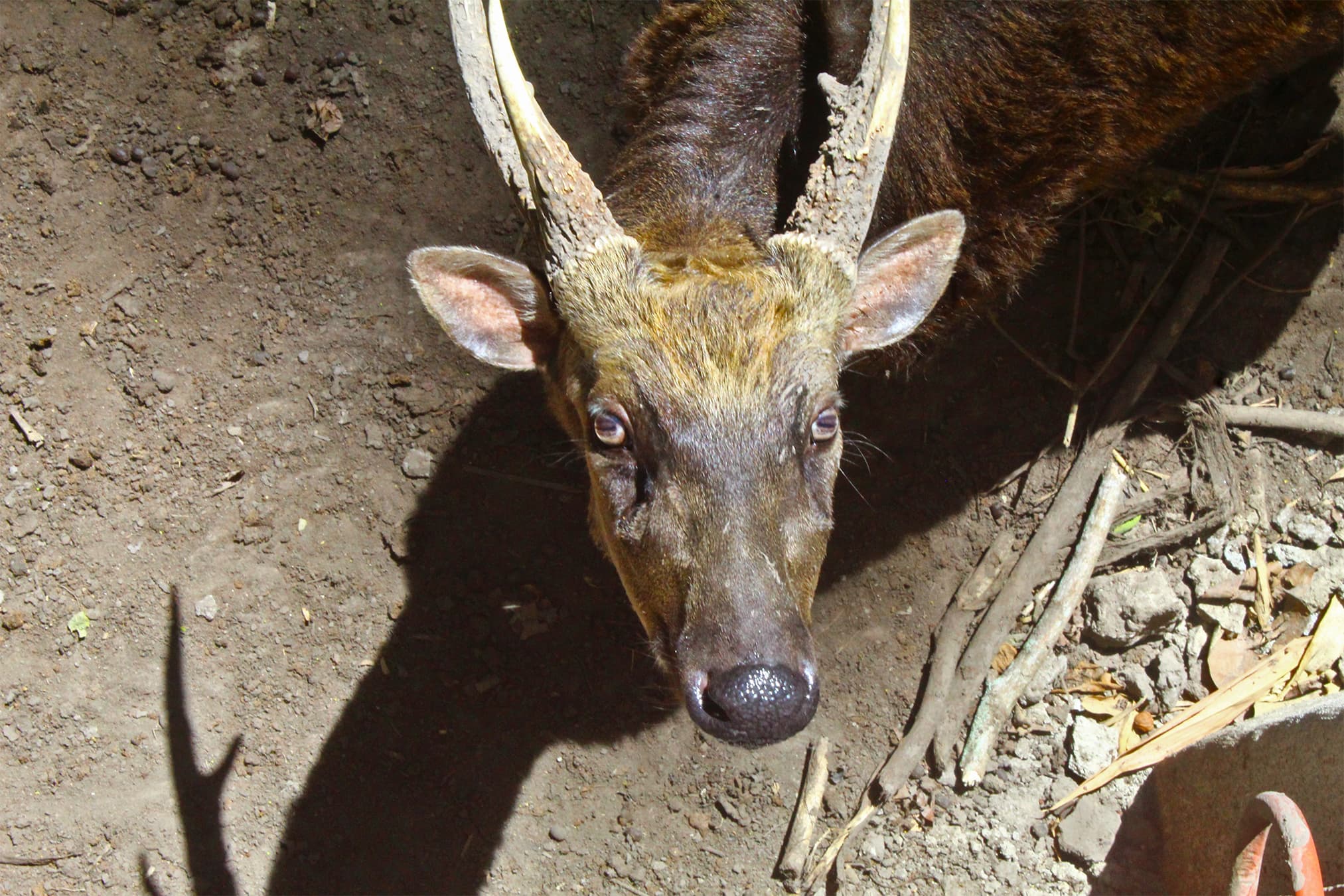
Scientists have sequenced the first draft genome of the Visayan spotted deer, a highly threatened species native to the Philippines. Researchers from Silliman University and the Philippine Genome Center Visayas used tissue from a captive deer to create the genetic map, which could guide efforts to prevent the species from going extinct.
The Visayan spotted deer once inhabited six islands across the central Philippines but faced decimation from deforestation and hunting. The International Union for Conservation of Nature listed the species as endangered in 1988, and Philippine authorities designated it critically endangered by 2019. A 2016 count recorded approximately 700 mature individuals, found only on Negros and Panay islands.
The sequenced genome, derived from a captive deer named Abraham who lived at Silliman University's Center for Tropical Conservation Studies, contains 2.5 billion DNA letters and 24,531 genes. It represents the first genome sequenced for any of the Philippines' endangered mammals. Analysis of Abraham's genetic diversity revealed a heterozygosity score of 0.17, significantly below the 0.3 score typical of healthy wild populations, indicating close genetic relationship between his parents.
Albert Noblezada, who runs the bioinformatics pipeline at the Philippine Genome Center Visayas, noted the low score was expected for a captive animal. "Decades of isolation have allowed inbreeding to quietly take hold in the captive colony," he said. Despite this, Silliman University biologist Persie Mark Sienes identified a rare genetic marker in one sexually active individual that could improve breeding outcomes and restore genetic health to the colony.
Researchers said the finding supports a shift to genome-based breeding protocols, replacing traditional pedigree-tracing methods. They also recommended resuming deer exchanges between three captive facilities—CENTROP, Mari-it Wildlife and Conservation Park, and Negros Forest Park—with the last exchange occurring in 2007. The team plans to test mixing individuals from captive and wild populations at the 300-hectare Bayawan Nature Reserve on Negros, which currently hosts 70 deer.