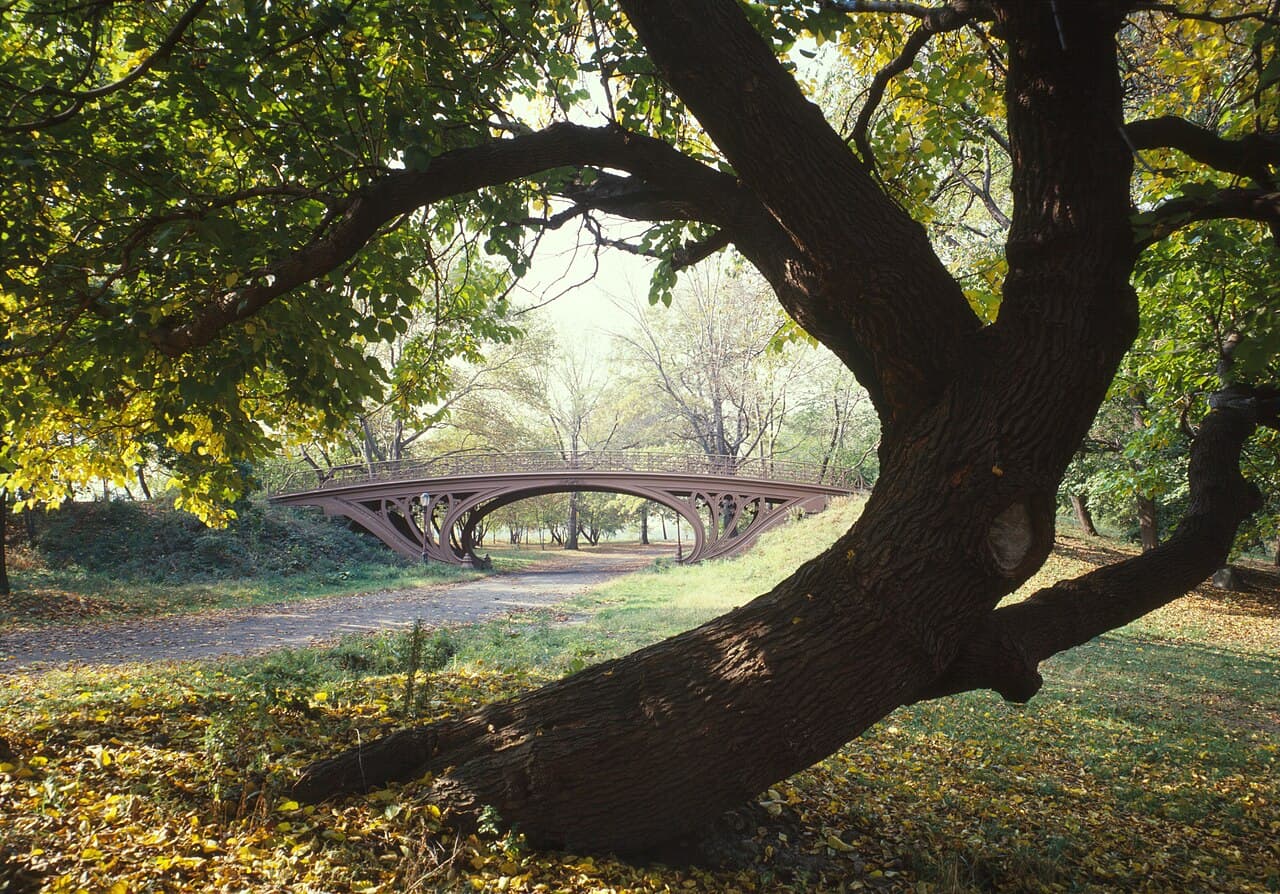
Central Park, one of the world's most recognizable landmarks, is experiencing intensifying climate impacts including heavier downpours, flooding and soil erosion, along with prolonged heatwaves that strain the ecosystem and visitors alike.
The 843-acre park helps cool the surrounding city, with temperatures inside the park running approximately 5 degrees Celsius lower than on adjacent streets, according to the Central Park Climate Lab. The park also cleans air, captures stormwater and provides refuge from heat.
The Central Park Conservancy, which manages the park, is adapting by testing plant varieties from different climate zones that may better withstand warming temperatures. The challenge lies in preserving the park's 19th-century design while addressing 21st-century climate conditions. Warmer winters threaten flowering cycles for crabapple, magnolia and cherry trees, which require winter dormancy and could bloom too early if warm spells arrive in February, leaving them vulnerable to late frosts.
The Conservancy is expanding a composting site in the park's northern section to process plant material and food waste, returning nutrients to soil and reducing landfill use. Compost helps plants withstand climate stress and reduces surface runoff during heavy rainfall. New underground infrastructure will allow water to circulate between northern park water bodies, reducing the need to draw potable water into the system.
The Conservancy is also phasing in electric-powered machinery to replace petrol and diesel equipment, with replacements prioritized as existing equipment ages and suitable technologies become available. Officials noted that long-term investment in green infrastructure helps cities build resilience against future climate and environmental change.