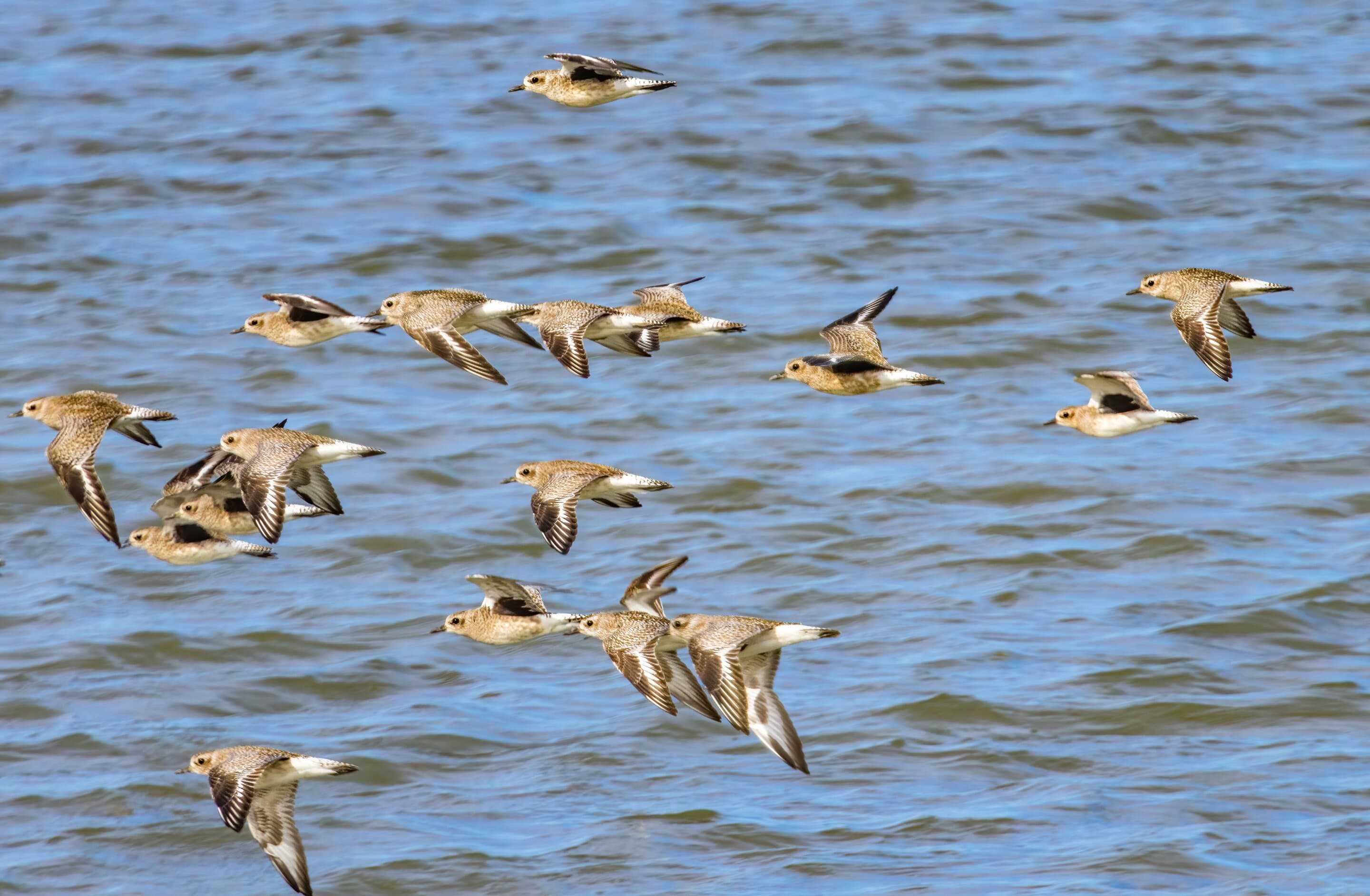
Researchers at Deakin University have been modeling avian influenza outbreaks for years in anticipation of an emergence on Australian shores. Dr. Sara Ryding at the Deakin Center for Marine Science studies migratory shorebird movements and what changes in those patterns might indicate about disease risk for birds and related species.
A research paper by Ryding, Dr. Tobias Ross, and Professor Marcel Klaassen, published in Scientific Reports, examines the susceptibility of wild birds to bird flu. While bird flu has existed in nature for a long time as low pathogenicity avian influenza, these viruses can mutate under specific pressures, such as industrial poultry operations, to become high pathogenicity avian influenza (HPAI) strains like the H5N1 strain now affecting wildlife globally.
Key at-risk birds in Australia include seabirds like Australasian gannets that nest in colonies, pink-eared ducks whose aquatic foraging exposes them to other bird feces, birds of prey, and ravens and magpies that scavenge dead or dying birds. Ryding noted that while many species can develop antibodies after exposure, potentially resisting the virus on re-encounter, the spread occurs through landscapes via wild bird movements. Understanding these movements is key to tracking virus transmission.
A turning point came with deaths in greater crested terns, indicating the virus had moved from giant petrels rarely visiting mainland Australia to native Australian birds. Since then, deaths have also been reported in seals and dolphins. Ryding emphasized that citizen scientists have been crucial in monitoring the virus, but urged the public not to touch sick or dead birds and instead call Australia's 24-hour Emergency Animal Disease Hotline (1800 675 888) to allow trained specialists with appropriate protective equipment to respond.
Deakin University developed AviFluMap, a publicly available H5 bird flu wild bird model tool for Australia created alongside Wildlife Health Australia and BirdLife Australia. The tool integrates multiple information layers to provide evidence-based assessment of known and emerging H5 bird flu risks across the country.