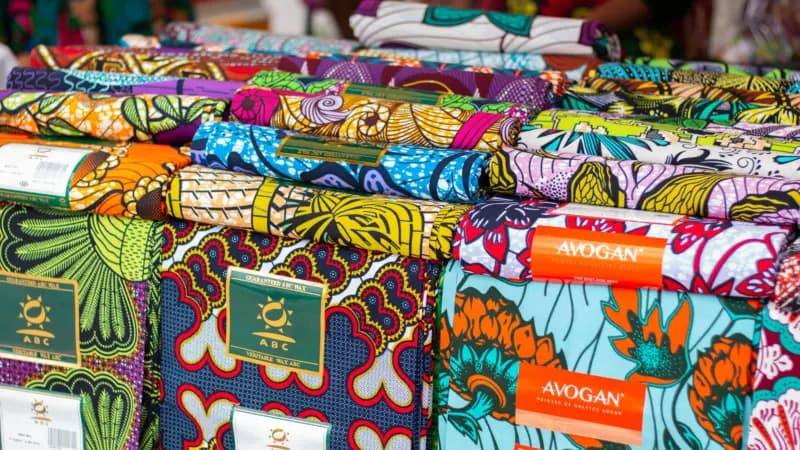
Days before April 7, Mozambican Women's Day, women protesters demonstrated in Nampula city over the failure of first lady Gueta Chapo to deliver on promises to distribute capulanas, the colorful dresses popular in Mozambique. The demonstrations echoed post-election protests that followed the 2024 general elections, when women visibly wearing capulanas confronted police and roadblocks. Similar demonstrations occurred in Anchilo after the first lady announced she had no capulanas to offer. Two people were wounded by bullets during a confrontation in Nampula.
The capulana holds central importance to Mozambican cultural identity and is worn by many women. During the Nampula protests, the garment took on new meaning as demonstrators used it as improvised protection against tear gas, and it became a visual symbol of unity and resistance. The capulana has earlier associations with women's participation in the national liberation struggle and with independence activist Josina Machel.
The deployment of culturally significant objects in protests reflects broader patterns documented in African contexts, where traditional fabrics and symbols can take on political importance during crises. An activist who requested anonymity told Global Voices, "Women are no longer just observers. They are part of the movement." Organizations including Amnesty International and Human Rights Watch have documented risks faced by protesters, including excessive use of force, arbitrary arrests, and intimidation.
The events in Nampula connect to broader instability following the 2024 general election. According to the platform Decide, thousands of people were arrested and hundreds died in related events. Organizations such as the Center for Public Integrity have raised concerns about election irregularities and transparency breaches. Much protest documentation was shared online, demonstrating the role of social media in reporting abuse and mobilizing citizens in real time.
Mozambique has not restricted internet access, but the approval of Decree No. 48/2025 on December 16, 2025 established control mechanisms that would allow authorities to block telecommunications networks. Officials also proposed a new Highway Code penalizing those who block public roads during protests.