Israeli intelligence warned of a possible Iranian plot to target Trump's presidential aircraft while he was in Turkey's capital last month, but officials in Ankara questioned the reliability of the information. They linked the timing of the warning's emergence to disagreement between the American President and Israeli Prime Minister Benjamin Netanyahu over how to handle Iran, according to Middle East Eye.
Journalists noted the unusual deployment of additional Turkish security units around Ankara Airport on 8 July, when Air Force One was parked, coinciding with the second day of the NATO Summit. Turkish authorities implemented extensive security measures during the summit on 7 and 8 July, including road closures, sealing of platforms, and administrative leave for public sector employees for a week.
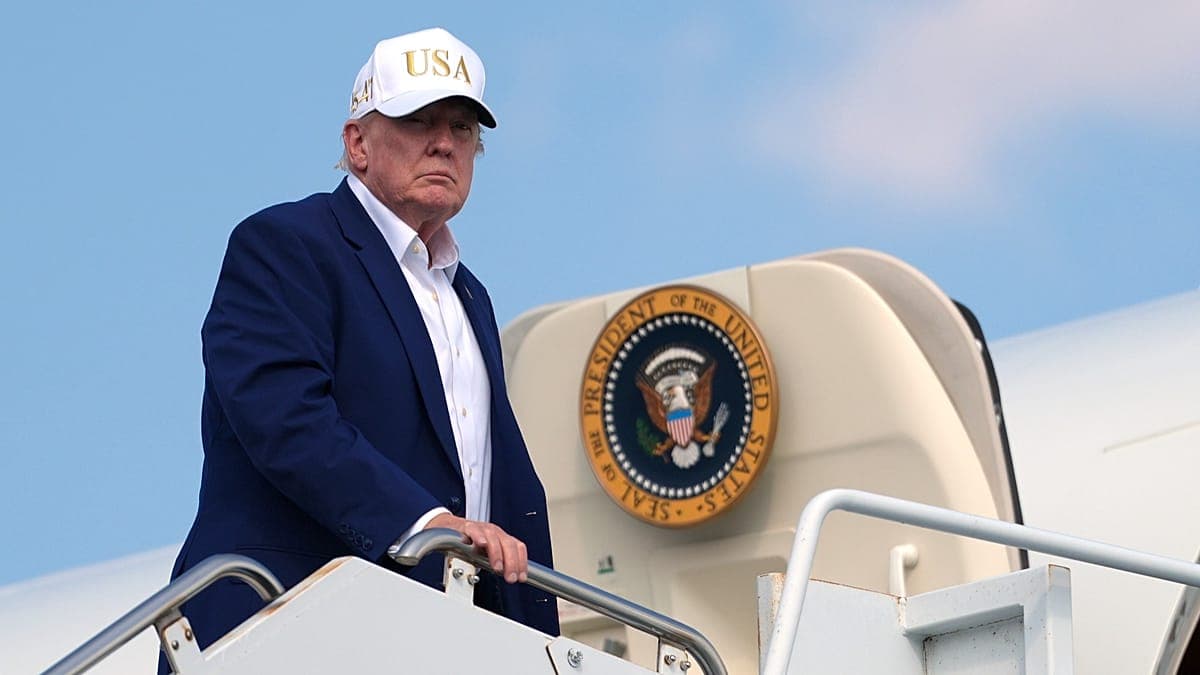
According to informed sources who spoke to Middle East Eye, American officials told their Turkish counterparts that they had received intelligence from Israel about a possible Iranian plot to target the American President. The warning mentioned the possibility of targeting Trump's new aircraft near Ankara Airport using Manpad-type portable missiles from a distance of no more than one kilometre.
The airport's location raised security concerns because it is surrounded by civilian buildings, some only about 500 metres from the runway, unlike Esenboga International Airport with greater distance between civilian facilities and the airport perimeter. The warning prompted the American Secret Service to request additional precautionary measures. Initially, Trump's departure was moved to Esenboga Airport before the older Air Force One, equipped with defence systems not available on the new aircraft, was returned.
Some American officials took the claims seriously given previous allegations from Washington against Tehran of planning to assassinate Trump and other American figures. In July 2024, American authorities arrested Pakistani national Asif Merchant in connection with a plot to kill American politicians, which Trump was reportedly possibly included in. In November 2024, the American Department of Justice charged Afghan national Farhad Shakeri, claiming Iranian authorities had tasked him with planning Trump's assassination. Tehran has denied any efforts to target the American President or other officials.
According to the Washington Post, the Secret Service's response to the warning reached the point where they secretly moved Trump after boarding the older Air Force One into a specially equipped catering service vehicle towards an accompanying American government aircraft of the C-32 type. A Turkish official confirmed to Middle East Eye that the American side requested additional landing permission for the C-32 aircraft, along with last-minute security changes, which reinforced Turkish officials' impression of unusual developments.
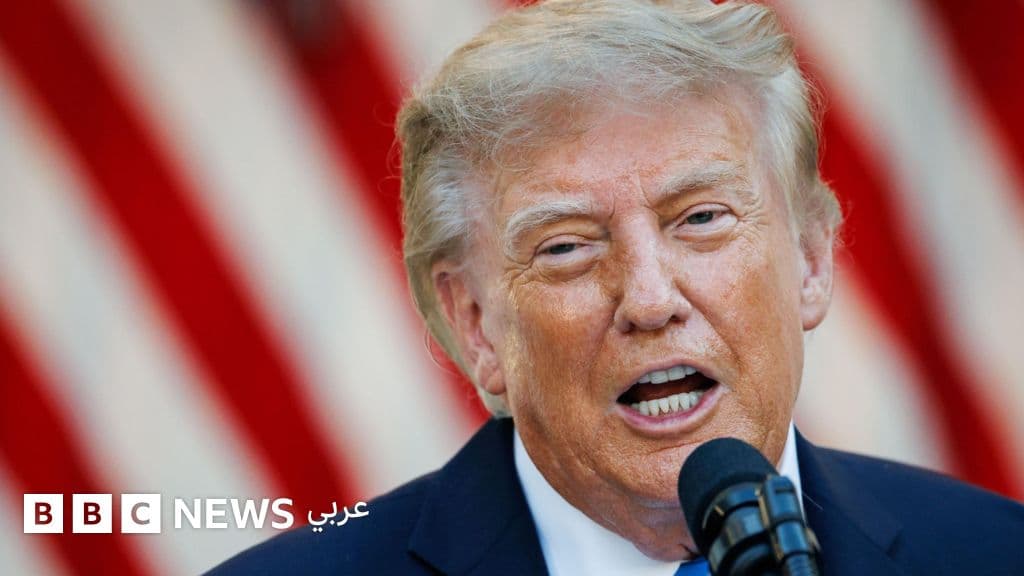
Ankara subsequently questioned the narrative because the timing of Israel's report coincided with negotiations Trump was conducting with Iran aimed at ending the war and reopening the Strait of Hormuz. According to sources who attended Trump's meeting with Turkish President Recep Tayyip Erdogan, the American President reiterated that the war with Iran had ended and showed optimism about ongoing talks with Tehran.
This position contradicted Netanyahu's stance, which pushed for the completion of military operations against Iran, including heavier strikes against its energy infrastructure and a new assassination campaign against Iranian leaders. Meanwhile, American-Turkish relations were also experiencing significant developments. In a meeting with Erdogan one day before the reported assassination plot, Trump stated his willingness to lift sanctions against Ankara over its purchase of the Russian S-400 system in 2019 and to continue the sale of F-35 fighter jets to Turkey.
Netanyahu strongly opposed Ankara's F-35 acquisition, based on Israeli concerns about the deal's impact on the regional balance of power and what Israel called their "qualitative military advantage". Given these factors, Middle East Eye reported that Turkish officials suspected the Israeli intelligence report was a deception designed to make Tel Aviv appear as Trump's protector, while disrupting American-Iranian negotiations and influencing the relationship between the American President and Erdogan.
One person familiar with the case told the outlet that Turkish authorities handled the warning "very seriously" and provided all possible assistance to the American side, but added that Turkish officials concluded the narrative appeared unreliable to them. Sceptics pointed to the logistical and security complexities required to carry out such an operation in Turkey's capital, particularly during an international summit subject to extraordinary protective measures.
Although Iranian cells have previously been accused of kidnapping or killing Iranian opponents in Turkey, Tehran has not carried out operations of this scale and complexity there. Introducing portable missiles into Ankara would require, according to this assessment, an extensive support network, safe houses, and secret movement routes, in addition to crossing many barriers and checkpoints dispersed before the summit. Carrying out an attack targeting the American President on Turkish soil would trigger an immediate crisis between Ankara and Tehran, at a time when the two countries maintained relatively stable relations since the war began.
Iranian officials had previously praised Turkey's position publicly for not supporting what they called Mossad and CIA plans to trigger an uprising in western Iran with the participation of armed Iranian Kurdish groups. An informed source in Ankara expressed surprise at the leak of details about the measures taken by the Secret Service to protect Trump around a month after the summit ended, considering the talk of the reported assassination plot might be an attempt to create a "hero" for an operation that did not happen and may never have been planned in the first place.