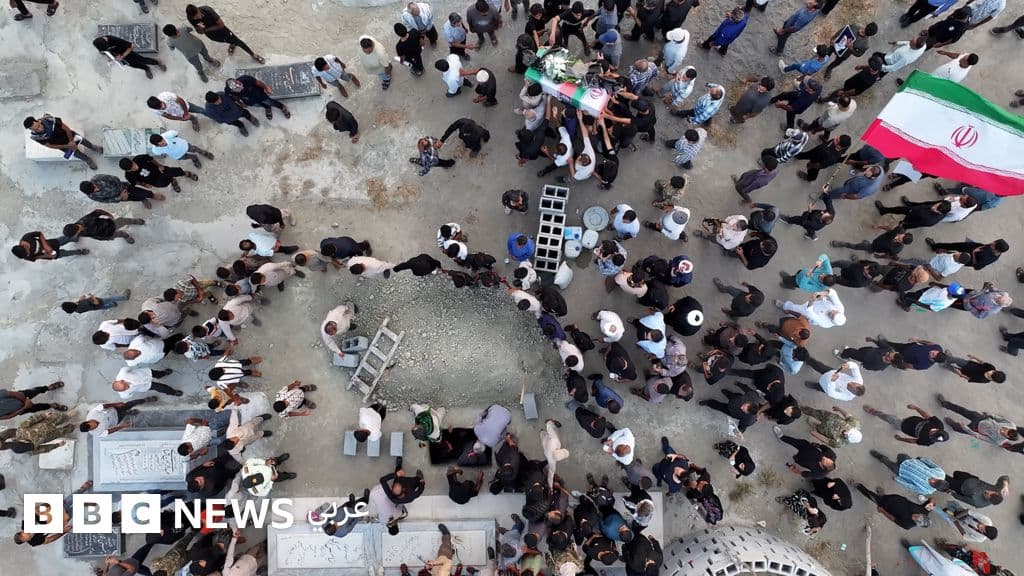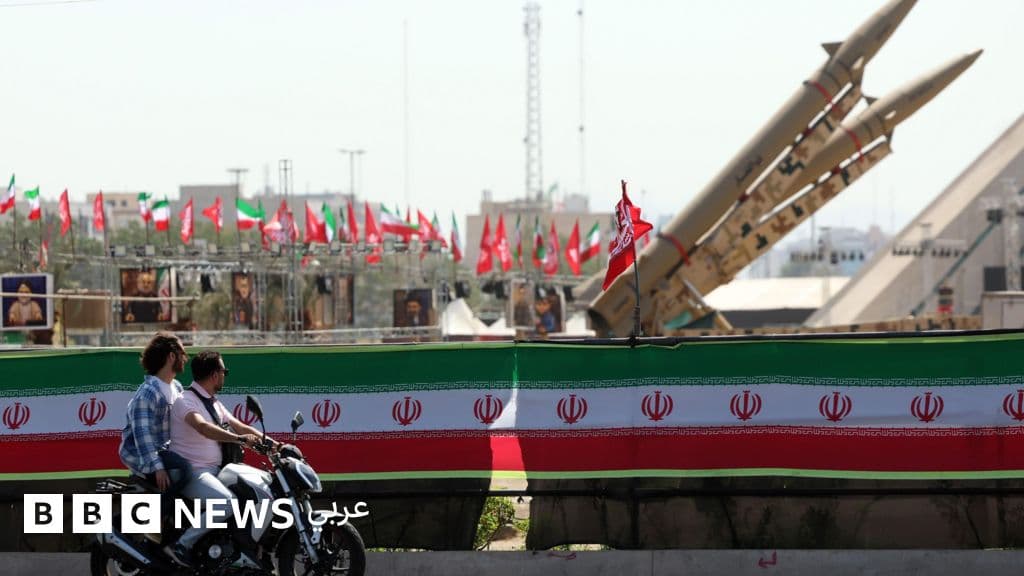
Iran's Foreign Ministry said on Monday that the joint defence agreement signed in Mecca between Saudi Arabia, Pakistan and Turkey reflects a "shift in perspective" within the region towards the United States, and stated that Iran sees "no reason for concern". Iranian Foreign Ministry spokesman Ismail Baghaei said at his weekly press conference: "Countries in the region have realised that security is not a commodity that can be bought from those who make false promises", referring to the United States, which is an ally of the agreement's signatory countries.
Baghaei went on to say that plans based on the region's geopolitical and historical facts, which are comprehensive and correctly identify enemies and threats, can contribute to improved security and the prevention of destabilisation and violations committed by the Zionist enemy and its allies.
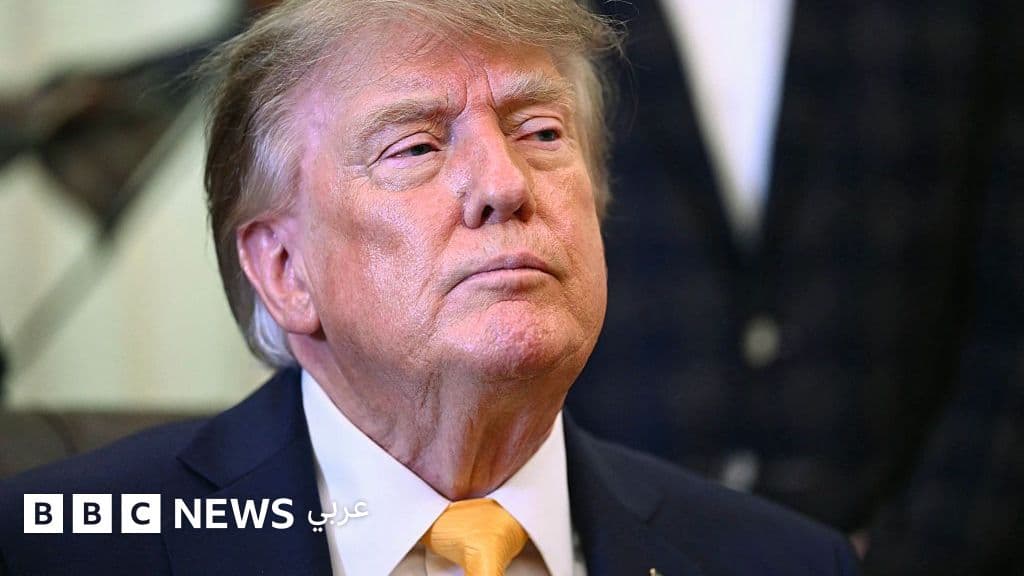
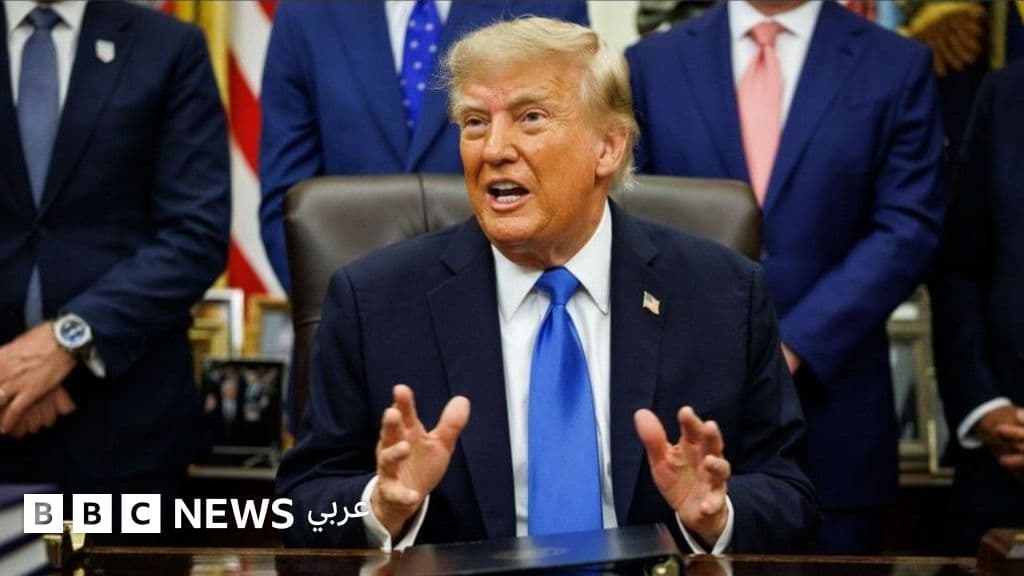
US President Donald Trump announced on Sunday that the United States is currently moving to continue economic pressure on Iran rather than launch new military operations, while Tehran continues to challenge Washington on a number of issues, including the reopening of the Strait of Hormuz. Trump said in a statement reported by the "Axios" website during a brief telephone call that Washington is "handling this issue calmly", explaining that the United States is conducting limited negotiations with Iran and at the same time monitoring its economic conditions. Trump added that Iran is facing "very high" inflation and an acute financial crisis, noting that Iran is "in very poor economic condition" and does not have sufficient funds to pay its troops' salaries.
Trump's statement comes a week after indications that he was considering issuing an order to return to large-scale combat operations against Iran, before he shifted to the current de-escalation. His latest comments contained no new threats of military strikes. Regarding the Strait of Hormuz, Trump did not display open anger at the delay in reaching an agreement between Iran and Oman on reopening the strait for maritime traffic. Tehran submitted a series of new demands on Saturday to allow the resumption of ship movements through the strategic waterway.
Trump referenced the fact that the US naval blockade has increased pressure on Iran's economy, while saying that the decline in oil prices to just above 75 dollars per barrel has reduced the economic impact of the war for American consumers. Trump said that negotiations and mutual pressure with Iran resemble a "game of chess", adding: "Everything will end well. It always ends well".
Iran's Revolutionary Guards announced on Sunday that they will not reopen the strategically vital Strait of Hormuz unless the United States accepts conditions set by Tehran, including payment of compensation for war damage. Iran has imposed de facto control over the Strait of Hormuz since the outbreak of war with the launch of initial strikes by the United States and Israel on 28 February, and currently requires ships to coordinate with Iran and pass along routes exclusively along its coast, whilst planning to impose "service charges" on ships wishing to use it.
The frequency of attacks in this waterway has resulted in the collapse of a ceasefire agreement signed in April, whilst mediators are urging both sides to return to compliance with the provisions of a subsequent memorandum of understanding signed in June, which sets the roadmap for peace talks.
Iran's Presidency announced on Sunday that Mohsen Rezaei, who previously led the Revolutionary Guards, has been appointed as secretary of the National Security Council, replacing Mohammad Baqer Zolghadr. Rezaei previously stated that the Strait of Hormuz has significance beyond the nuclear programme.
Mohammad Baqer Zolghadr had previously set three conditions to Washington on Saturday before opening the Hormuz Strait, including that Washington must end "for ever its war and aggression against Iran and Iran's allies in Lebanon, the Palestinian territories, Yemen and Iraq". Zolghadr stipulated that Washington lift the "naval blockade and withdraw military, naval and air forces from around Iran", and "revoke the unjust and unlawful sanctions imposed on the Iranian people", according to his statement.
He demanded that Washington "unconditionally release the frozen and stolen funds of the Iranian people" and "fully pay, without deduction, compensation for the damage resulting from both the wars of aggression and imposed on Iran". Iran's Revolutionary Guards emphasised that their strategy is based on keeping the Strait of Hormuz closed "until the enemy accepts all our conditions... The Strait has become for us an actual theatre of war, not merely a maritime traffic route".
For its part, Iran's Foreign Minister Abbas Araghchi, who had previously also asserted that reopening Hormuz is contingent on the availability of certain conditions, denied that there are negotiations with the United States, saying that both sides are only "exchanging messages" through mediators.
Israeli Prime Minister Benjamin Netanyahu stressed preventing Iran from acquiring nuclear weapons, saying at a ministerial council meeting "I want to emphasise again that whether or not there is an agreement, and as long as I am Prime Minister, Iran will not have nuclear weapons".