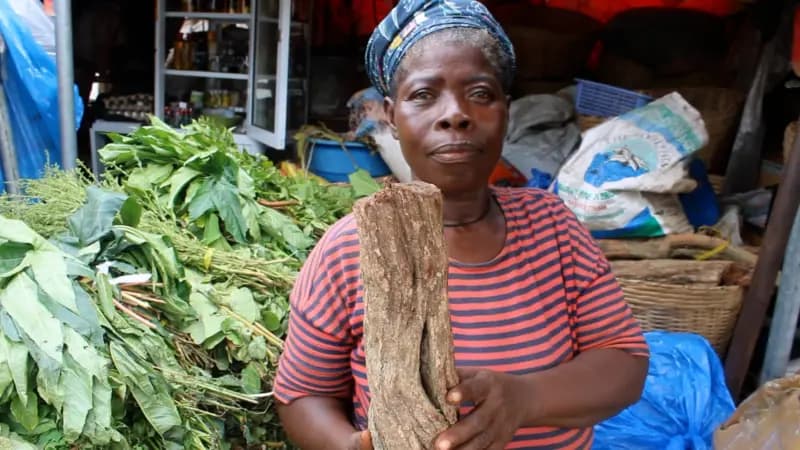
The traditional medicine market in Ghana is thriving as the cost of Western pharmaceuticals and medical care climbs. According to a 2023 study in Frontiers in Pharmacology, 60 to 70 percent of the Ghanaian population depends on traditional medicine markets for health care.
Dr. Kofi Donkor, deputy director of the Center for Plant Medicine Research, said traditional medicine practitioners pass down their knowledge from generation to generation and know how to use plants properly. He noted that research institutions use traditional practitioners' knowledge as a primary source, then validate it using scientific methods.
In rural Ghana, women gather medicinal herbs from bush and cultivated plots early in the morning to sell in Accra's open-air markets. The Center for Plant Medicine Research, established by the Ghanaian government in 1976, treats patients at an outpatient clinic that sees roughly 16,000 patients a month.
Donkor cited three reasons rural Ghanaians favor traditional plant medicine: accessibility, cost, and familiarity. He said many rural residents already know which plants treat specific ailments and can simply harvest them from their backyard or nearby forests. However, he cautioned that dosage is critical and that proper preparation and amounts are necessary for plants to be effective cures.
Researchers at the Center for Plant Medicine Research are studying West African plants for disease treatment, including a green shrub showing promise against prostate cancer. As Western drug and fuel costs continue to rise across West Africa, officials said the traditional medicine market can provide a sustainable source of natural healing for the population.