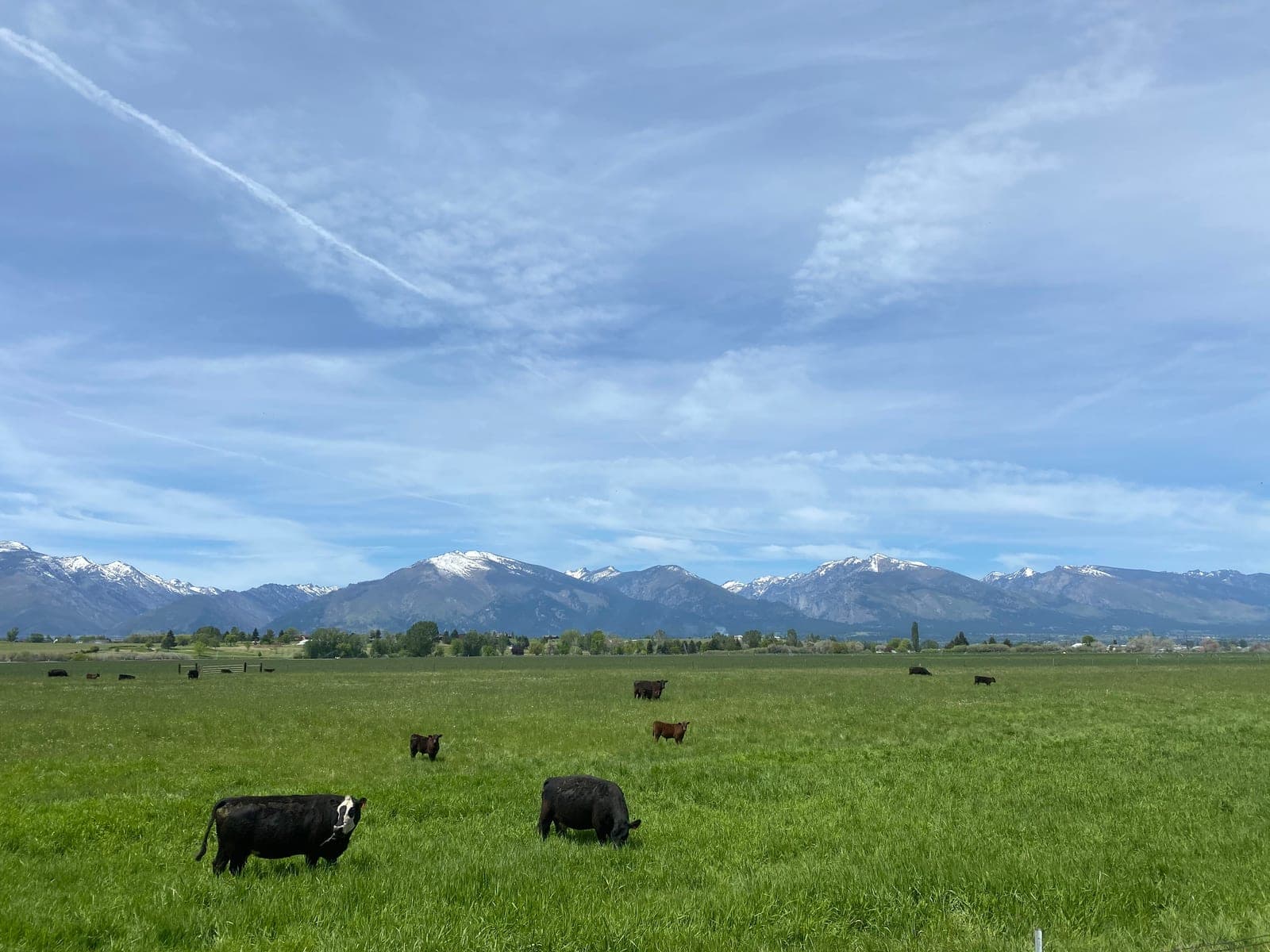
Rangelands—grasslands, shrublands and drylands found on every continent except Antarctica—are deteriorating at an accelerating pace, threatening the food security and livelihoods of millions of people who depend on them. A recent ecosystem assessment found that grasslands are shrinking as invasive plants spread and droughts become more frequent and severe, leaving less time for land to recover.
In northern Kenya's Marsabit County, satellite records dating back to 1990 show grasslands steadily turning to barren ground, with the Chalbi desert projected to double in size within decades if current trends continue. In the neighbouring Kyzylorda region of Central Asia, over 80 per cent of pastures are now degraded. The vanishing of the Aral Sea has left behind a 5.4-million-hectare salt desert, generating toxic dust storms that carry salt thousands of kilometres across the region.
The assessment noted that where traditional, community-led land governance remains strong, rangelands perform better than in areas where such local management has weakened. Efforts to restore degraded rangelands across the three countries have followed a similar approach: combining satellite data and hard science with the knowledge and experience of the people living on the land.
The Biodiversity and Ecosystem Services Network, a flagship initiative of the UN Development Programme Nature Pledge, is among the programmes focusing on strengthening efforts to protect and restore rangelands. The challenges facing rangelands are due to be discussed at a UN desertification conference in Ulaanbaatar, Mongolia, from 17 August.